
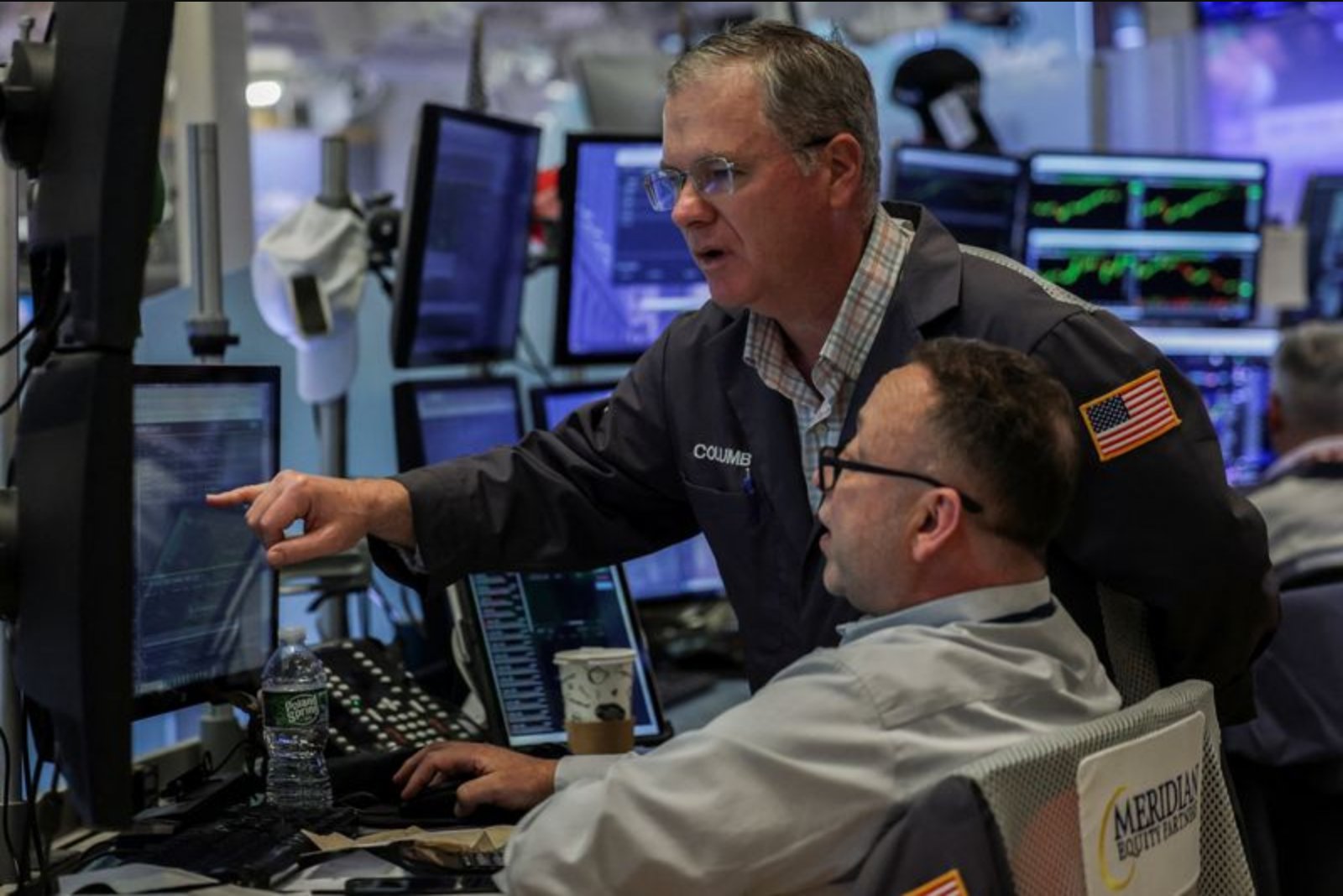
President Donald Trump said he had extended a ceasefire in the Iran conflict beyond the Wednesday deadline, but it remains uncertain whether opposing parties have accepted that extension. The ambiguity is a central reason why crude oil did not rally sharply on what might otherwise be perceived as a relief development.
Brent crude moved up modestly on Wednesday to just below $100 per barrel, while West Texas Intermediate traded around $91 per barrel. Iran has argued that a U.S. blockade of its ports - which the President said would continue - breaches the ceasefire, and Tehran has warned the Strait of Hormuz would remain closed as a consequence. There were reports that cargo ships in the waterway faced fresh gunfire again this morning, and no clear timeline exists for renewed negotiations between the parties.
Despite these military and geopolitical uncertainties, world stock markets and U.S. futures priced in a greater probability of eventual de-escalation than immediate disruption. Over the last week this tilt toward optimism has persisted, and investors appear to be searching for alternative market drivers - most notably in the buoyant technology sector.
Asian equities led the advance overnight, with South Korean, Japanese and Taiwanese markets continuing to post new highs. South Korea's memory-chip heavyweight SK Hynix climbed into the top 20 of the world's most valuable companies, reflecting investor appetite for semiconductor exposure tied to AI and data-center demand.
Corporate calendars also provided fuel for market focus. Tesla is scheduled to report after the U.S. market close, with investor attention expected to center on its energy and solar operations, progress toward robotaxi ambitions, and the company's proposed expansion into chip design. Intel, which has been the month's standout mover, will publish results on Thursday. The chipmaker's stock has surged roughly 50% so far in April, marking one of its strongest monthly performances on record.
Overall U.S. equity futures inched higher ahead of Wednesday's open, reflecting a market environment that balances geopolitical caution with enthusiasm for secular tech themes.
Monetary policy and the regulatory tone around the Fed also occupied investors' attention. Kevin Warsh, President Trump's nominee for Fed Chair, appeared at his confirmation hearing in Congress. The session produced few surprises, and Treasury yields and the dollar held broadly steady in its aftermath. Warsh emphasized that he had not been asked by the President to make a commitment to immediate rate cuts. Instead, he highlighted intentions to pursue what he described as "regime change" in the Fed's policymaking framework and a long-term goal of reducing the central bank's balance sheet.
Shortly before the hearing, the President said he would be disappointed if his nominee did not deliver immediate rate reductions. Given signs of re-accelerating price pressures, that expectation looks unlikely to be met in the near term. Market pricing reflects this shift: traders assign less than a 50% probability to a resumption of Fed easing for the remainder of the year.
On the economic data front, March U.S. retail sales exceeded forecasts, even after stripping out higher gas station receipts. That suggests the U.S. economy absorbed the recent oil shock, at least for the month under review. In the United Kingdom, inflation for March rose to 3.3% from 3.0% the prior month, above expectations, while core inflation excluding energy appeared more muted.
Chart of the day
Intel's shares have climbed more than 50% in the past month and have more than tripled over the last year, driven by stronger demand for its chips and servers as the worldwide AI buildout accelerates. The company drew fresh investor interest after the U.S. government and Nvidia acquired stakes last year. Ahead of its earnings report on Thursday, Intel expanded an AI CPU partnership with Google and joined Elon Musk's Terafab AI chip complex project to produce processors. Those developments have contributed to investor enthusiasm even as markets weigh the risk of a chip shortage.
Events to watch
- U.S. 20-year bond auction - 1 p.m. EDT
- Corporate earnings: Tesla, IBM, Moody's
Readers should note an April 23 webinar featuring a discussion with Jamie McGeever on rethinking safe-haven assets in uncertain times. Market participants and observers continue to monitor how geopolitical developments, central bank positioning and tech-driven earnings momentum interact to set risk appetite across asset classes.