
World June 24, 2026 11:17 AM

U.S. Embassy in Kuwait Reopens After March Suspension; Secretary of State Leads Flag-Raising

Emergency services resume immediately as broader consular functions are phased back in following Iranian drone attacks that prompted regional closures in March

By Avery Klein
Share
Twitter Reddit Facebook LinkedIn

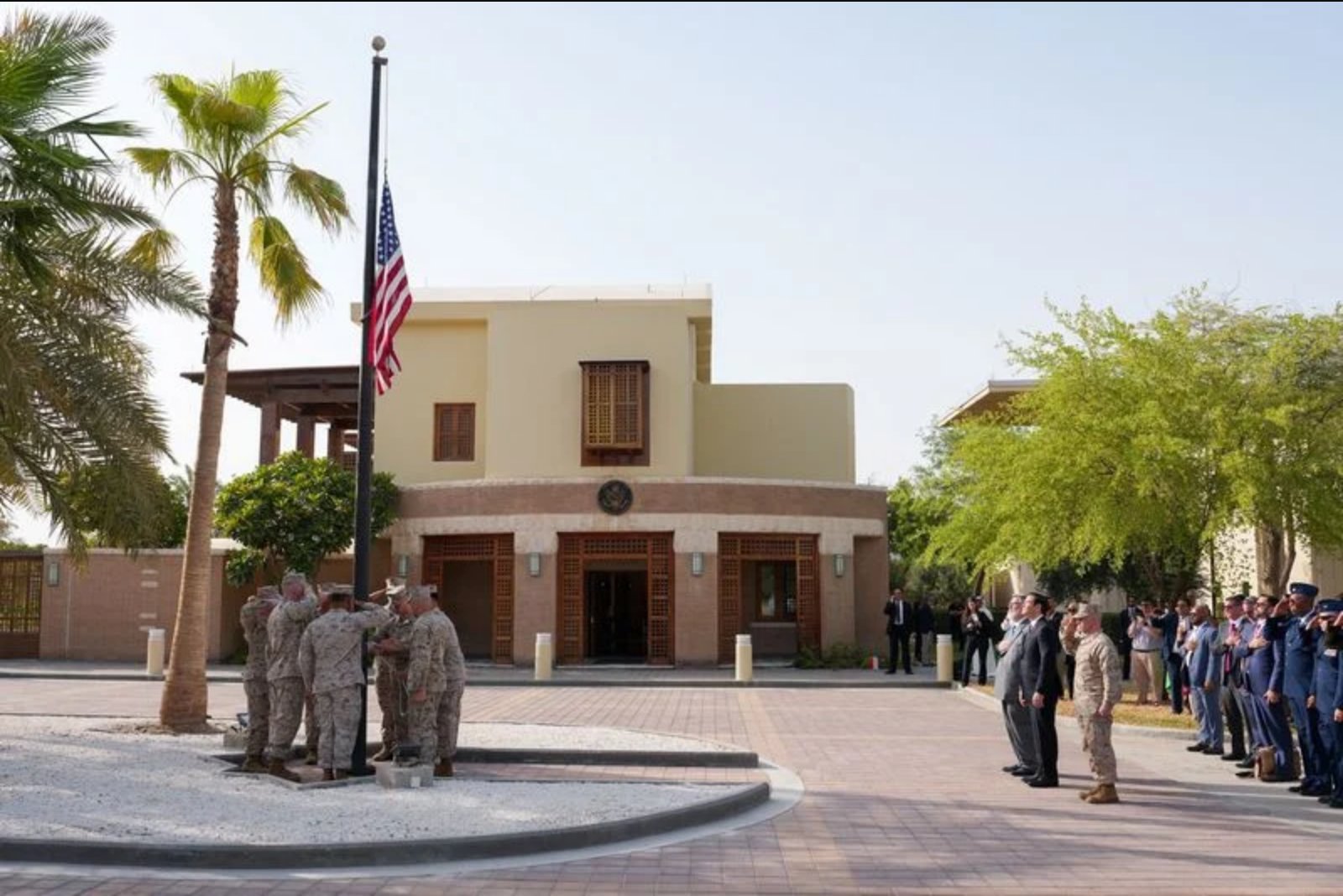
The U.S. Embassy in Kuwait City reopened on Wednesday, reinstating emergency services for American citizens and beginning a phased return of other consular functions. Secretary of State Marco Rubio visited Kuwait, attended a flag-raising ceremony and reiterated the importance of Kuwait as a partner for regional security amid ongoing tensions linked to Iranian drone strikes that led to embassy suspensions in March.

U.S. Embassy in Kuwait Reopens After March Suspension; Secretary of State Leads Flag-Raising
Summarize with
ChatGPT Perplexity Claude Grok Gemini

Key Points

  • The U.S. Embassy in Kuwait City has resumed operations, with emergency services starting immediately and other consular functions to be phased in.
  • Secretary of State Marco Rubio attended a flag-raising ceremony during a visit to Kuwait for talks with allies aimed at ending the war in Iran; he called Kuwait an indispensable partner for regional security.
  • The embassy's March closure followed Iranian drone attacks on U.S. missions after U.S.-Israeli strikes on Iran; operations in Saudi Arabia were also suspended at that time.

The U.S. Embassy located in Kuwait City resumed operations on Wednesday, with emergency services for American citizens restarting at once and additional consular functions to be brought back gradually, a State Department spokesperson said.

The reopening occurred during a visit by Secretary of State Marco Rubio. He participated in a flag-raising ceremony at the embassy as part of his trip to Kuwait, where he is meeting with allied officials to discuss efforts to end the war in Iran.

Rubio posted about the ceremony on social media, writing: "The American flag: a symbol of liberty, unity, and freedom now flies proudly once again over Kuwait City. Kuwait is an indispensable partner for regional security and stability." The post followed the formal event at the mission.

The embassy had been closed in March after Iranian drones struck the missions, prompting the State Department to suspend operations not only in Kuwait but also at the U.S. mission in Saudi Arabia. The March shutdown came in the wake of U.S.-Israeli strikes on Iran and the subsequent drone attacks on diplomatic facilities.

According to the State Department, the initial focus upon reopening will be the immediate provision of emergency services to U.S. citizens in Kuwait. Other regular consular and diplomatic services will be phased in over time, reflecting a staged approach to restoring full embassy operations.

The Secretary of State's visit was described as part of diplomatic engagements with regional partners. Discussions during the trip are centered on coordinating with allies on steps to bring an end to the war in Iran, and on broader regional security issues tied to recent hostilities.

The decision to resume operations in Kuwait represents a restoration of a diplomatic presence that had been curtailed because of the security risks following the March attacks. The phased approach signals a measured return to normal functions while the embassy monitors the regional security environment.


Summary

The U.S. Embassy in Kuwait City reopened on Wednesday. Emergency services for U.S. citizens resumed immediately, while other services will return in stages. Secretary of State Marco Rubio attended a flag-raising ceremony and emphasized Kuwait's role in regional stability. The mission had been closed in March after Iranian drones hit diplomatic sites following U.S.-Israeli strikes on Iran.

Risks

  • The previous suspension was prompted by Iranian drone attacks, indicating a continued security risk to diplomatic missions - this affects diplomatic and security sectors.
  • A phased resumption of services means limited consular capacity initially, which may affect U.S. citizens requiring assistance and related travel or consular-dependent activities - relevant to travel and consular service sectors.
  • Ongoing diplomatic and military tensions tied to the war in Iran create uncertainty for regional stability and the conduct of foreign missions - impacting diplomacy and security-related markets.

More from World

Clear-Bag Rule at World Cup Venues Leaves Many Fans Unprepared Jun 24, 2026 Yabloko Deputy Leader Sentenced to Seven Years Over Telegram Posts Ahead of Duma Vote Jun 24, 2026 Netanyahu’s Signature Strength Faces Its Sharpest Setback Under U.S.-Iran Deal Jun 24, 2026 Israel Says Troops Will Remain in Southern Lebanon as U.S. Pushes Regional Backing for Iran Accord Jun 24, 2026 Italy Rejects NATO Chief’s Account of U.S. Military Flights from Italian Bases Jun 24, 2026