
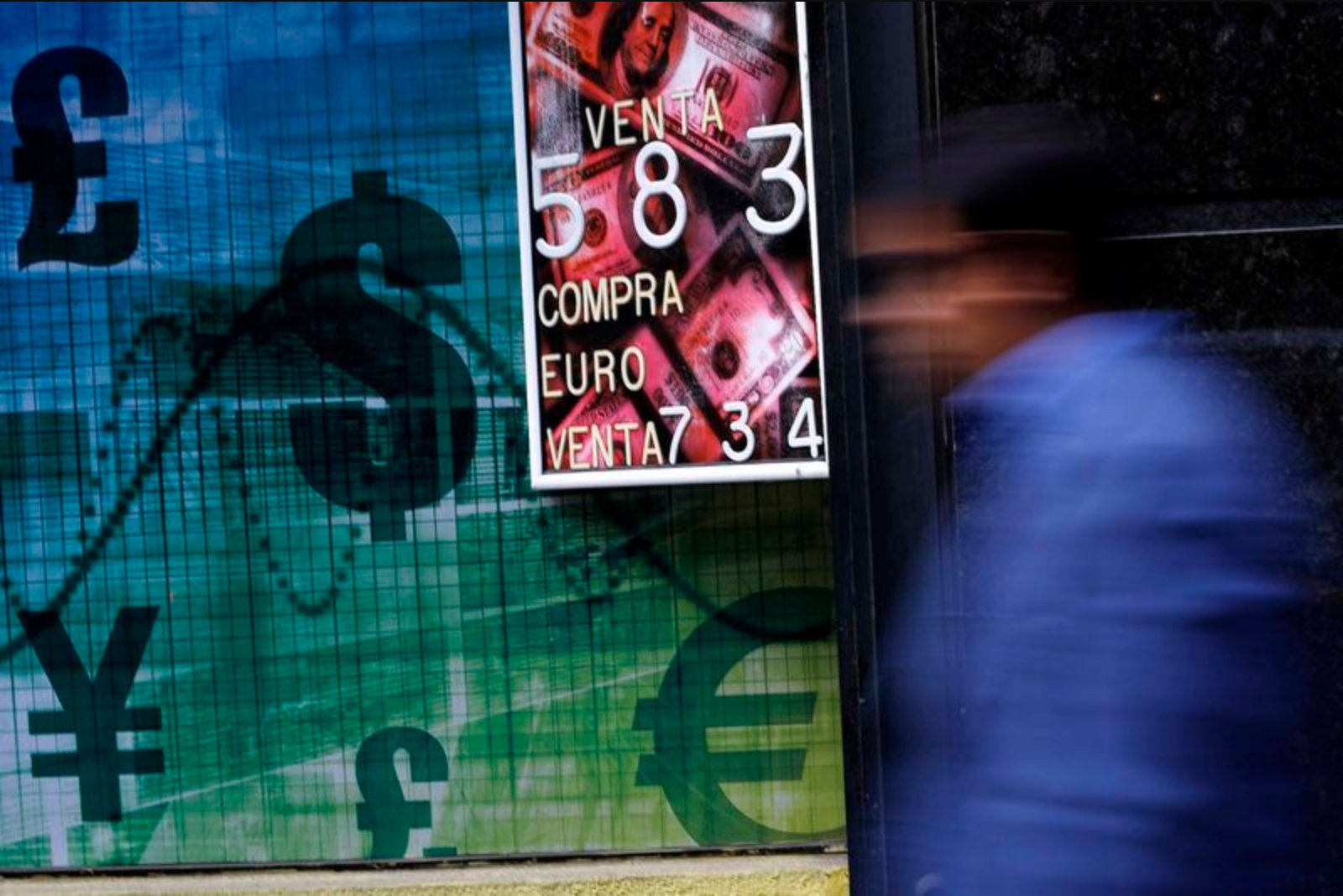
Barclays anticipates only modest and short-lived appreciation for the Philippine peso following the recent Iran-U.S. agreement that briefly weakened the U.S. dollar. The bank says gains for the peso are likely to be limited beyond the near term.
Market participants noted that the Bangko Sentral ng Pilipinas (BSP) appeared to step in to prevent the peso from weakening much beyond the roughly 61.75 level versus the dollar. At the same time, recent BSP guidance asking onshore banks to ensure that non-deliverable forward (NDF) transactions serve clear economic purposes has bolstered near-term support as dealers’ NDF fixing long positions mature.
Barclays highlights several offsetting forces. Softness in the dollar into the summer and a possible fall in corporate dollar demand could blunt the usual third-quarter foreign exchange seasonality that typically pressures the peso because of importers. Nevertheless, importers may still buy dollars on price dips if medium-term external fundamentals deteriorate further and oil prices remain elevated.
The bank also points to a cautious tone in foreign exchange sentiment driven by the Philippines’ difficult macroeconomic backdrop. Policymakers have tightened by an additional 50 basis points since the Middle East conflict began, which Barclays says could further slow growth. Structural support from remittance flows remains weak, removing a typical positive for the currency.
Looking ahead, Barclays expects the Middle East de-escalation to reduce some of the more hawkish expectations around BSP policy. A local peak in consumer price inflation would lower the threshold for the central bank to consider easing policy to support growth. Still, the bank warns that growing reliance on financing inflows will constrain the BSP’s ability to manage the peso over the medium term.
Context and implications
The combination of central bank intervention, prudential guidance on NDFs, softer dollar dynamics and persistent structural weaknesses underpins Barclays’ view that the peso’s recent gains may not be sustained. While near-term technical and policy measures have provided support, Barclays flags medium-term limits on the BSP’s capacity to guide the currency if dependence on financing inflows increases.