
World June 23, 2026 09:24 AM

Oman and Iran to Form Working Group to Continue Talks on Strait of Hormuz Navigation

Muscat discussions set stage for continued consultations with coastal states on maritime services and costs

By Leila Farooq
Share
Twitter Reddit Facebook LinkedIn

Oman and Iran agreed to establish a joint working group to continue negotiations on the administration of navigation, maritime services and associated costs in the Strait of Hormuz. The two countries said they will consult other coastal states and relevant parties as they pursue implementation of a recently signed memorandum of understanding.

Oman and Iran to Form Working Group to Continue Talks on Strait of Hormuz Navigation
Summarize with
ChatGPT Perplexity Claude Grok Gemini

Key Points

  • Oman and Iran will establish a joint working group from their foreign ministries to continue discussions on navigation, maritime services and costs in the Strait of Hormuz - sectors impacted include shipping and energy.
  • The agreement follows a memorandum of understanding that called for talks with Oman, Iran and other Gulf coastal states on future management of navigation in the strait - this has implications for maritime services providers and logistics operators.
  • Both countries reaffirmed commitment to safe passage in the strait under international law while emphasizing sovereignty over territorial waters - a point relevant to legal and diplomatic frameworks governing shipping.

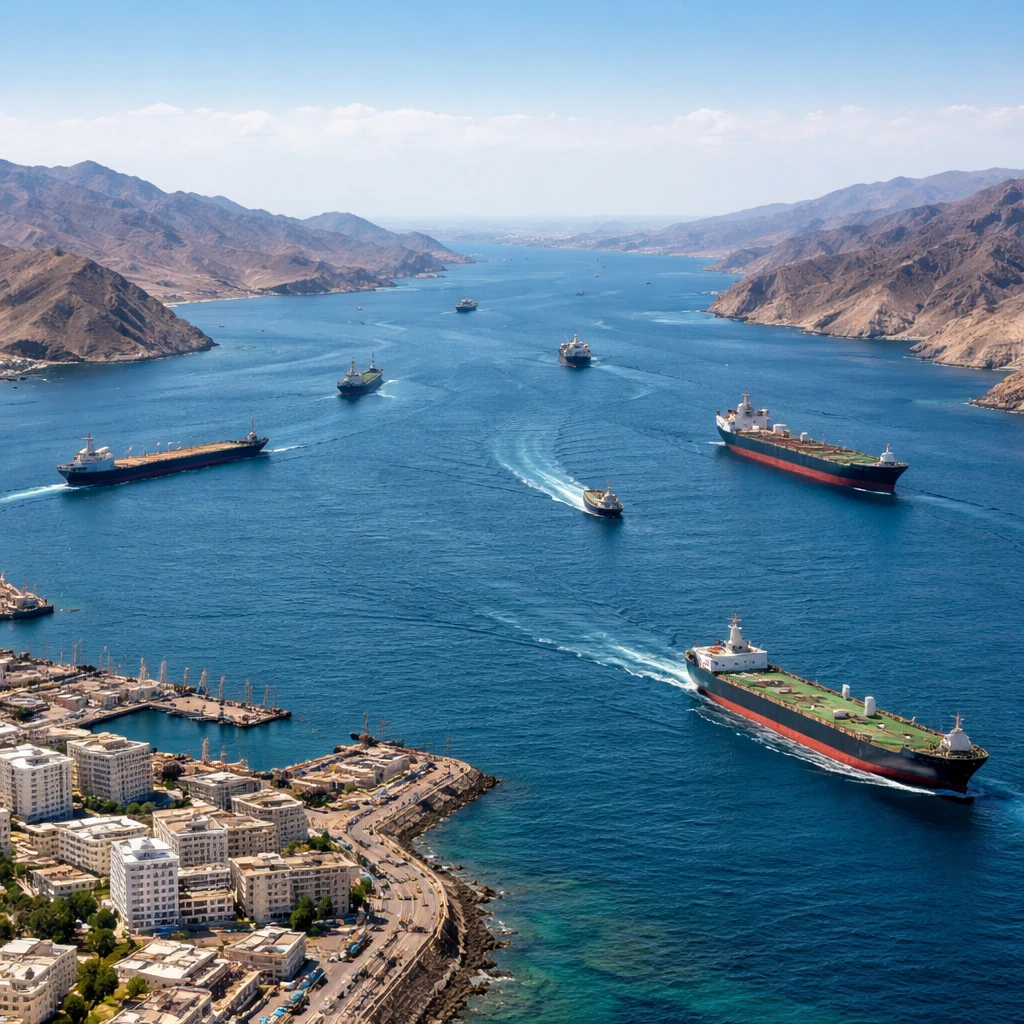
Oman and Iran announced on Tuesday that they will keep negotiating arrangements for navigation in the Strait of Hormuz, with particular attention to maritime services and related costs in the narrow, strategically significant passage.

In a joint statement following talks held in Muscat, the two governments said they will form a joint working group composed of officials from their foreign ministries to carry on the discussions. The statement said both sides intend to consult other coastal states and relevant parties as part of the process.

The move follows a memorandum of understanding signed last week that called for discussions between Iran, Oman and other Gulf coastal states on future management of navigation and maritime services in the strait. That waterway is identified by the parties as a vital route for global oil shipments.

The announcement came after a visit by Iranian Parliament Speaker Mohammad Baqer Qalibaf and Foreign Minister Abbas Araqchi, who met Oman’s Sultan Haitham bin Tariq and held talks with Omani Foreign Minister Sayyid Badr Albusaidi.

In their joint statement, Oman and Iran - the two countries that border the strait - reiterated their commitment to ensuring safe passage through the waterway in line with international law. The statement also underscored each country's sovereignty over its territorial waters.

The agreement to constitute a bilateral working group appears to implement a specific provision contained in the recently signed memorandum of understanding, by providing a mechanism for continued engagement between the two foreign ministries and for outreach to other stakeholders.

Details on the working group's mandate, membership, timetable or specific cost-sharing arrangements were not disclosed in the statement. The parties indicated only that consultations with other coastal states and relevant parties will take place as discussions proceed.


Summary

Oman and Iran have agreed to form a foreign ministry-led joint working group to continue talks on navigation management, maritime services and related costs in the Strait of Hormuz, and will consult other coastal states and relevant parties as part of the process.

Risks

  • Details about the working group's mandate, membership and timetable were not disclosed, creating uncertainty about how quickly negotiations will progress - this uncertainty affects shipping schedules and energy market participants.
  • The need to consult other coastal states and relevant parties introduces potential for differing views or extended negotiations, which could prolong the process of agreeing on maritime services and cost arrangements - this could impact maritime services providers and regional trade flows.

More from World

Rebuilt Azov Corps Turns Focus on Mariupol, Launches Drone Strikes on Port and Supply Nodes Jun 23, 2026 WHO: Congo Ebola Outbreak Records Unusually High First-Month Case Count Jun 23, 2026 Supreme Court Blocks Damages Claim After Louisiana Prisoner Was Shaved Against His Faith Jun 23, 2026 Flavio Bolsonaro Signs Up to Testify Against Proposed U.S. 25% Tariff on Brazilian Goods Jun 23, 2026 Over 5,300 People Remain Held in Scam Compounds Near Myanmar-Thailand Border, Rights Group Says Jun 23, 2026