
World June 17, 2026 11:36 AM

Israel approves expansion of settler school in Hebron’s historic core

Finance minister backs 1,000 square metre building as Palestinians say move breaches long-standing Hebron agreement

By Leila Farooq
Share
Twitter Reddit Facebook LinkedIn

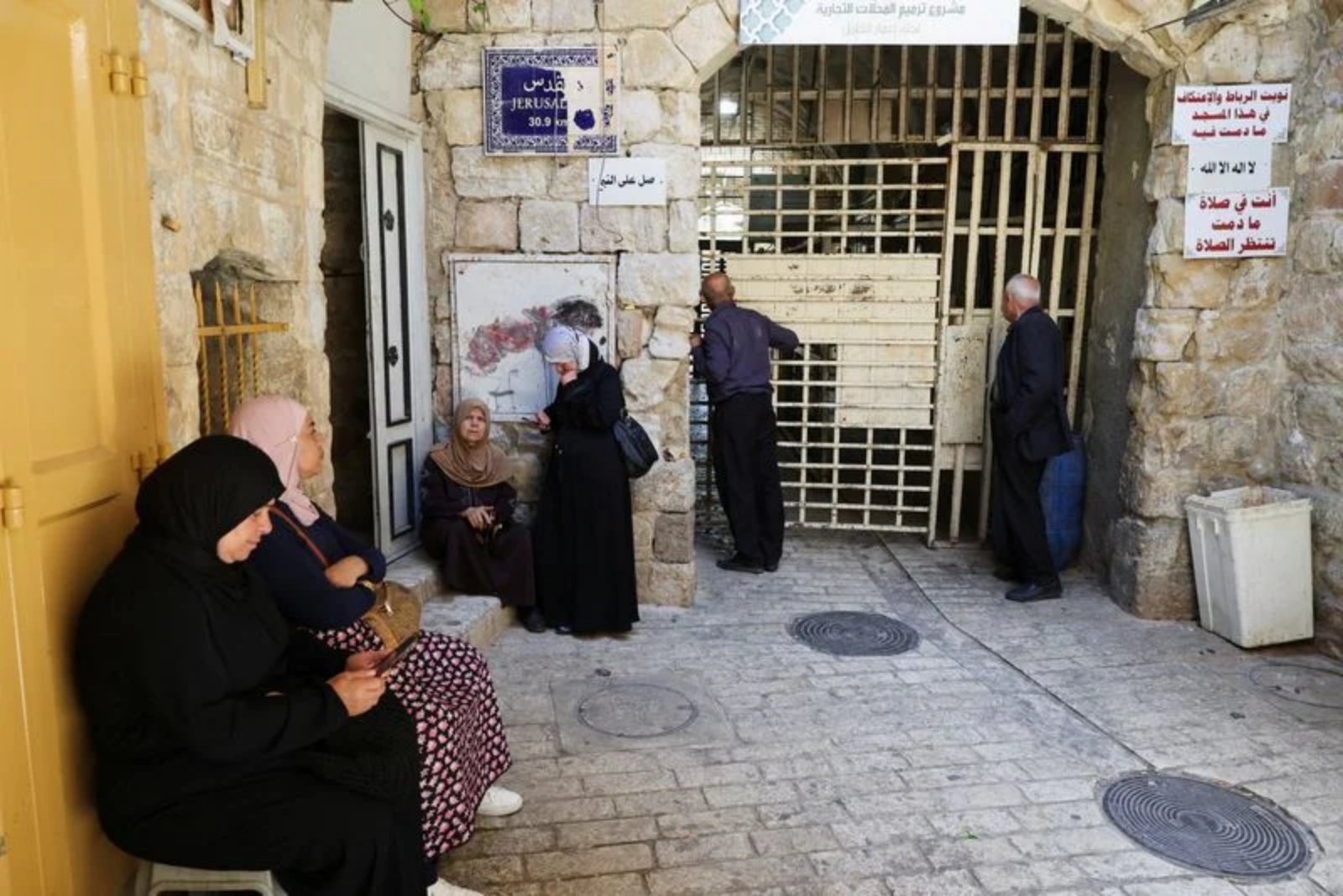
On June 17 in Hebron, Israel approved construction of a 1,000 square metre building to expand a Jewish school in the centre of the Palestinian city. The decision, announced by Finance Minister Bezalal Smotrich, follows his recent move to cancel a deal that gave the Palestinian municipality planning authority in parts of Hebron’s historic area. Palestinians say the action violates the decades-old Hebron Agreement and risks further displacement and loss of municipal services.

Israel approves expansion of settler school in Hebron’s historic core
Summarize with
ChatGPT Perplexity Claude Grok Gemini

Key Points

  • Israel approved construction of a 1,000 square metre building to expand a Jewish school in Hebron’s historic core - sectors affected include construction and local municipal services.
  • Finance Minister Bezalal Smotrich announced the approval after saying he had scrapped a deal that gave the Palestinian municipality planning control around Hebron’s historic area - this affects civil administration and local governance.
  • The enclave around the Cave of the Patriarchs houses more than 1,000 Jewish settlers among tens of thousands of Palestinians under full Israeli security control - implications for security and public spending in the area.

Hebron, West Bank, June 17 - Israel has authorised the enlargement of a Jewish school located in the heart of the Palestinian city of Hebron, approving a 1,000 square metre structure for settlers living amid the Palestinian population in the city centre.

The announcement was made by Finance Minister Bezalal Smotrich. It came one day after he said he had scrapped an arrangement that had granted the Palestinian municipality control over certain planning and construction decisions around Hebron’s historic core, an area that contains a contested holy site.


The area around the Cave of the Patriarchs - a site venerated by Muslims, Jews and Christians - is home to an enclave of Jewish settlers numbering more than 1,000 who live within a city that otherwise contains tens of thousands of Palestinians. The enclave operates under full Israeli security control.

Under the terms of the 1997 Hebron Agreement, Israeli forces remain deployed in the enclave, but construction in and around the city’s historic core has generally required approval from the Palestinian municipality, including in areas near the shrine. Palestinians argue that the newly approved building and the recent administrative changes contravene that long-standing arrangement.

Smotrich framed the school expansion as part of a broader policy. In a statement he said: "We are continuing to build the Land of Israel in practice and to implement practical sovereignty in the settlements," and he has expressed his opposition to the idea of Palestinian statehood.

Palestinian voices in Hebron responded with alarm. Issa Amro, a local activist, warned that dismantling parts of the Hebron Agreement could deprive Palestinian residents of basic municipal services. He said the measures were intended to make life intolerable for Palestinians and to force them from their homes.

"It means ethnic cleansing of Palestinian families from their homes, and more displacement,"

Amro added that the actions represented the theft of Palestinian aspirations for a state and for lives "and to live without violence, without fear, with peace".


The approved construction, the cancellation of the prior planning arrangement and the enclave’s location around a sensitive religious site make Hebron a focal point for tensions between Israeli settlers and Palestinian residents. The steps taken by the Israeli government and the reaction from Palestinian activists underscore competing claims over planning authority and daily life in the city.

Risks

  • Removal or undermining of parts of the Hebron Agreement could leave Palestinian residents without basic municipal services - this poses risks to local utilities and municipal service delivery.
  • Palestinian activists warn the moves could lead to displacement and increased friction between communities - raising security risks and potential costs for policing and enforcement.
  • Administrative and planning disputes may lead to prolonged legal and political uncertainty over construction and property rights - impacting local construction activity and real estate transactions.

More from World

Draft 14-Point Framework Outlines Path to Halt U.S.-Iran Hostilities and Restart Strait of Hormuz Traffic Jun 17, 2026 Tropical Storm Arthur Develops Off Texas Coast, NHC Warns of Life-Threatening Flooding Jun 17, 2026 Many Iranians Doubt Economic Relief After Interim Deal Ending War With U.S. Jun 17, 2026 Trump Says Talks With Anthropic Are 'Going Fine' After G7 Meeting Jun 17, 2026 Trump Says He Raised Hezbollah with Syria’s Leader at G7, Praises New Damascus Chief Jun 17, 2026