
Ghana's annual inflation rate eased to 4.6% in July, down from 5.3% in June, according to data released Thursday by Government Statistician Alhassan Iddrisu in Accra. The outturn was below the median estimate of 5.8% from three economists surveyed.
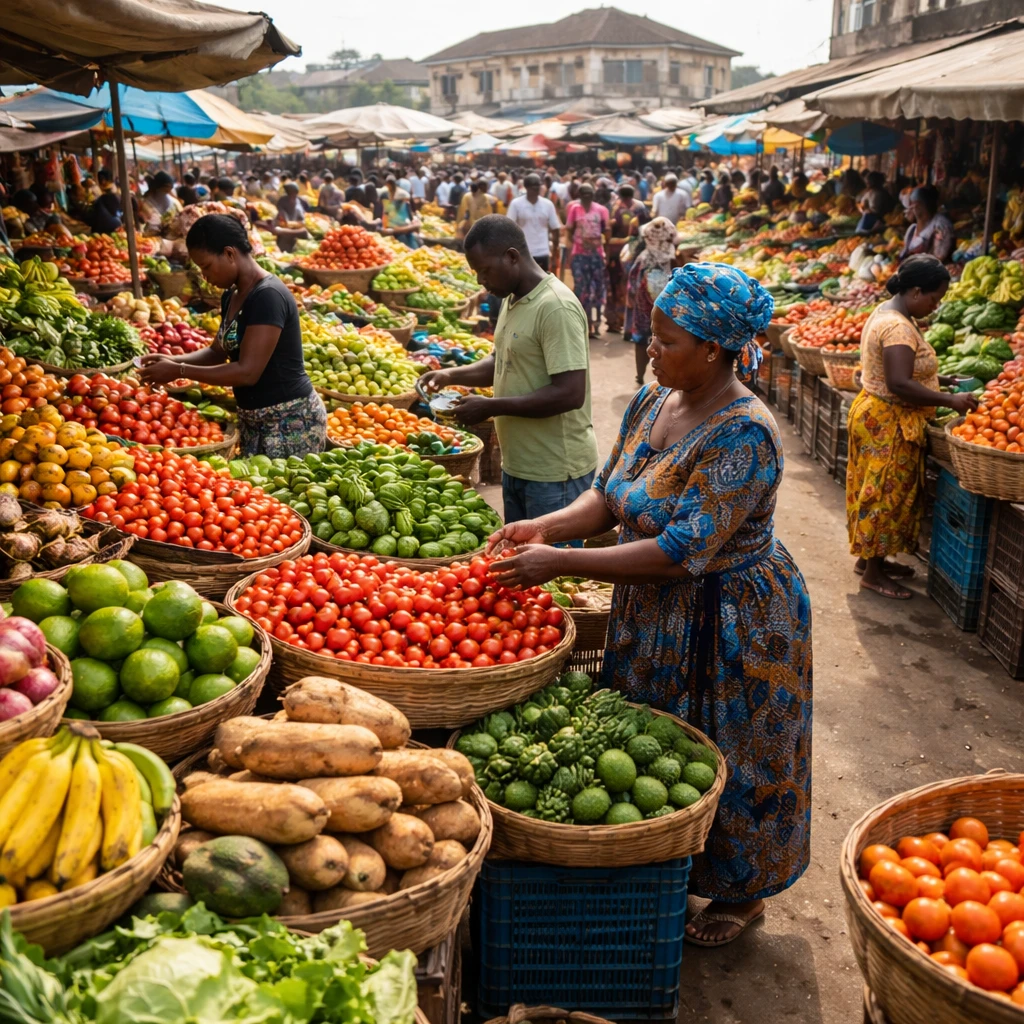
The moderation reflected softer growth in food and non-alcoholic beverage prices, which rose 3.1% year-on-year in July compared with 3.9% in June. On a monthly basis, headline price growth slowed to 0.1% in July from 0.2% in June.
Imported goods also showed a smaller increase in prices, rising 2.0% year-on-year in July, down from 2.3% in June. The government statistician's release noted that a more stable exchange rate during the reporting period helped to contain the cost of imports.
The Bank of Ghana maintained its key policy rate at 14% last month. The central bank said it required additional time to evaluate how the Middle East conflict might feed through to domestic inflation dynamics.
Monetary authorities expect inflation to gradually move into the bank's 6% to 10% target band over time. The release flagged that the stop-start nature of the war has produced significant volatility in energy prices, a factor that can push inflation higher depending on how the situation evolves.
Taken together, the July data point to easing near-term price pressures, led by slower food inflation and contained import cost increases. Nonetheless, policymakers and market participants remain watchful for potential upward pressure on prices stemming from global energy market volatility and geopolitical developments related to the Middle East conflict.
Contextual note: The data were provided by the office of the Government Statistician in Accra and reflect year-on-year and month-on-month movements as stated above.