
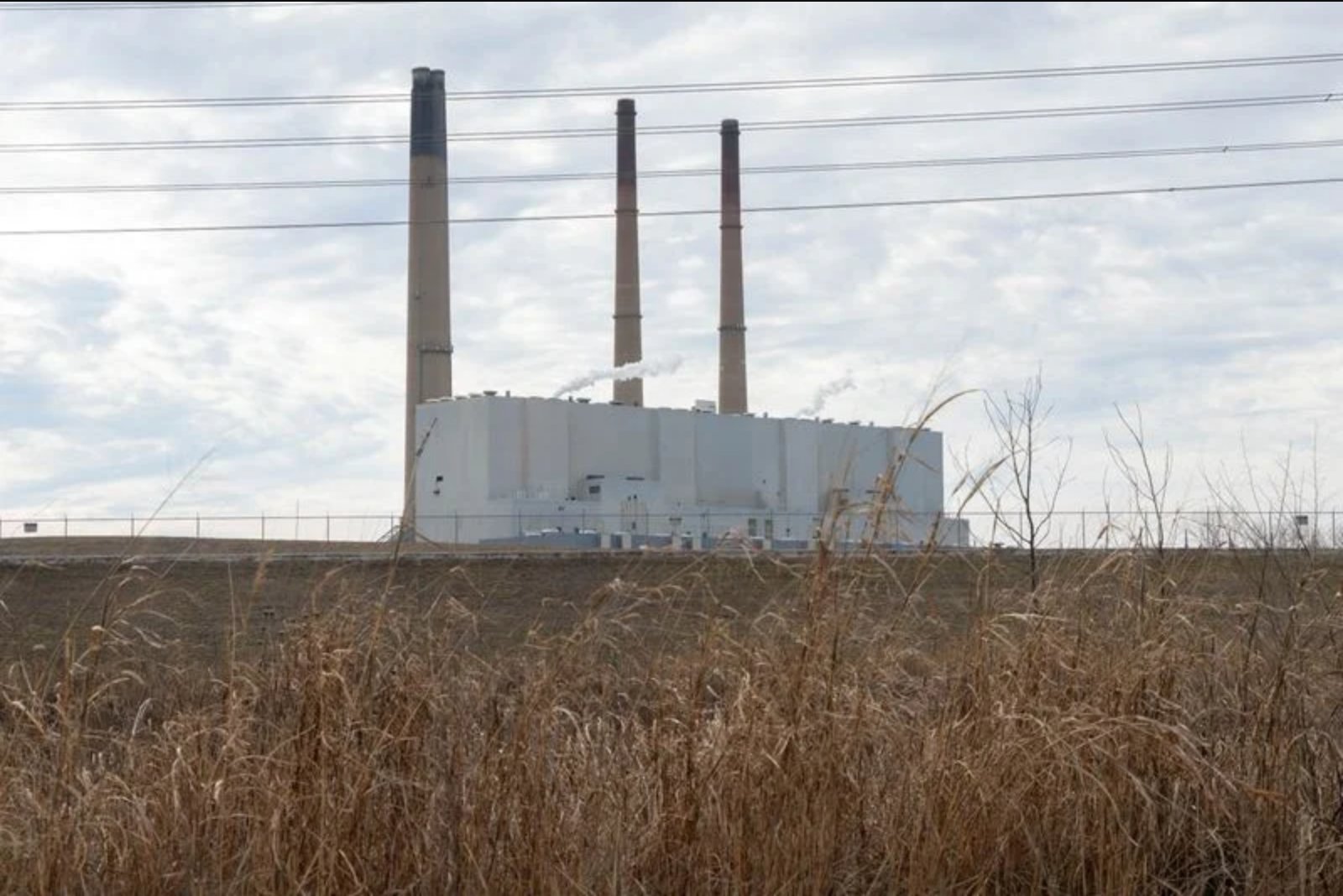
WASHINGTON, June 26 - A federal appeals court on Friday declined to grant the Environmental Protection Agency's request to undo tighter federal limits on fine particulate pollution, dealing a setback to the Trump administration's effort to relax controls on soot emitted by coal-fired power plants and factories.
The EPA, under the previous Trump administration, asked the appeals court last year to invalidate the 2024 rule issued during the Biden administration. The Trump-era EPA argued the agency had acted unreasonably by not taking compliance costs into account when setting the stricter standard.
The court denied the petition and the related motion to vacate, leaving in place the 2024 annual ceiling for PM2.5 - fine particulate matter - of 9 micrograms per cubic meter.
"After initially defending the new rule, the EPA now moves to vacate the rule on the grounds that it exceeded its statutory authority and acted unreasonably by failing to consider costs. Because these arguments lack merit, we deny the petitions for review and the motion for vacatur," the ruling said.
The Biden administration argued the stricter standard would produce substantial public health benefits. According to the Biden EPA, the 2024 limit was projected to prevent more than 800,000 cases of asthma symptoms, about 2,000 hospital visits and roughly 4,500 premature deaths.
Officials from the Trump-era EPA countered that the 2024 rule would impose large economic burdens, saying it could cost "hundreds of millions, if not billions of dollars to American citizens if allowed to be implemented," and contended the regulation was not founded on a comprehensive review of available science. The Trump EPA said on Friday it was reviewing the appeals court decision.
Environmental advocates criticized the prior administration's attempt to roll back the regulation as a retreat from critical public-health protections. The Natural Resources Defense Council welcomed the court's decision, saying in a statement that "While the Trump EPA dragged its heels, millions of Americans kept breathing unhealthy levels of soot - pollution the science shows has no safe level," and adding, "This decision removes any remaining doubt: the science has long been clear, and now the law is too."
The appeals court's ruling keeps the 9 microgram per cubic meter annual PM2.5 limit in force, maintaining the Biden EPA's tighter threshold for fine particulate pollution produced by sources including coal-fired power plants and industrial facilities.
Further legal or administrative steps were not detailed in the court decision. The Trump EPA's statement that it is reviewing the ruling indicates the agency may consider its options going forward, but the court's written finding firmly rejected the specific legal arguments presented in the petition.