
Market reaction
Xiaomi's stock surged by over 8% on Wednesday, marking the company's largest single-day advance in nearly three weeks. Investors reacted to a better-than-expected performance in the smartphone segment during the third quarter, with the market interpreting stronger premium-device sales as a partial hedge against rising component costs.
Smartphone results and pricing trends
Smartphone revenue was broadly flat in the September quarter, a result that outpaced analyst forecasts that had anticipated a roughly 6% decline. The company reported a near 40% increase in the average selling price (ASP) of its devices, reaching a record high for Xiaomi. Management attributed the ASP increase to stronger demand for higher-end models, a strategic move that has helped soften the impact of elevated memory chip prices.
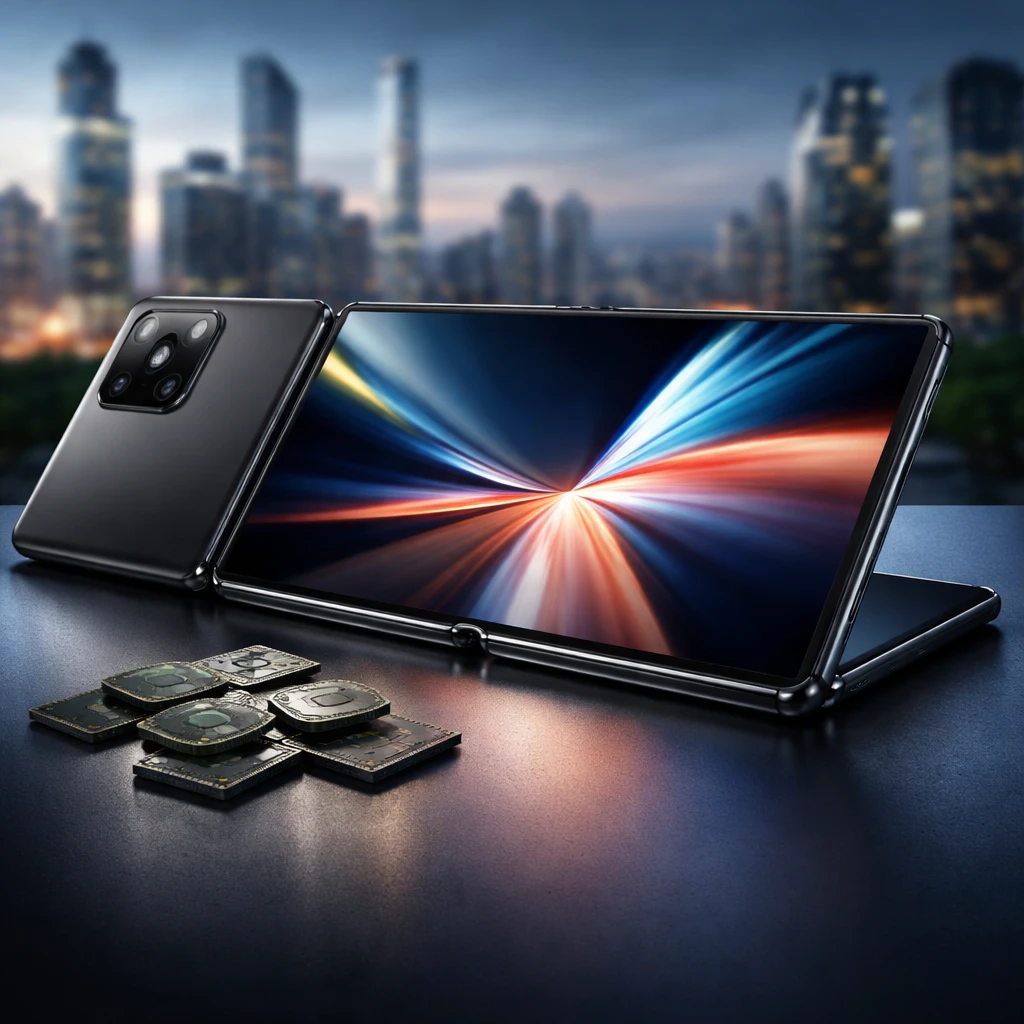
One of the higher-priced introductions cited by the company was the Xiaomi 18 Fold, launched toward the end of the third quarter. The model carries a price above 10,000 yuan (about $1,500), positioning it in competition with premium devices from other major brands.
Chip supply pressures and strategic positioning
Executives pointed to a tightening in conventional memory chip availability as a key headwind. That shortage is being compounded by rising demand for components from artificial intelligence data centres, which has tightened semiconductor supplies and pushed up costs for consumer electronics manufacturers. Xiaomi's shift upmarket - emphasizing sales of pricier handsets - is presented as a response to that cost pressure.
Wider financial picture
Despite the smartphone segment's relative resilience, Xiaomi's overall financials showed deterioration year on year. Group revenue for the three months ended September fell 5.2% to 107.2 billion yuan. Net income dropped sharply, down 68% to 3.9 billion yuan.
The company's electric-vehicle and artificial-intelligence division posted a loss of 3.4 billion yuan for the quarter. Management attributed this deficit to increased investment in artificial intelligence, a factor discussed during the company's post-results call.
Automotive activity and market expansion plans
Vehicle deliveries weakened, falling 7% from the prior year to 100,975 units in the quarter. To support sales in the face of softer EV demand, Xiaomi is placing emphasis on recently launched hybrid SUVs in its lineup, including the SkyNomad.
On geographic expansion, the company reiterated its intent to enter the German market in the third quarter of 2027. Executives said that recent trade barriers put in place by the European Union would not materially change that expansion timetable or strategy.
Pricing strategy and management commentary
President Lu Weibing said the company would continue to adjust retail pricing to strike a balance between absorbing higher component costs and remaining sensitive to consumer willingness to pay. That pricing flexibility underpinned the move toward higher ASPs in the smartphone business during the quarter.
Summary of implications
The quarter illustrated a mixed picture: tactical success in shifting toward premium handset sales that supported the stock, balanced against material earnings pressure and continued investment-driven losses in its EV and AI business.