
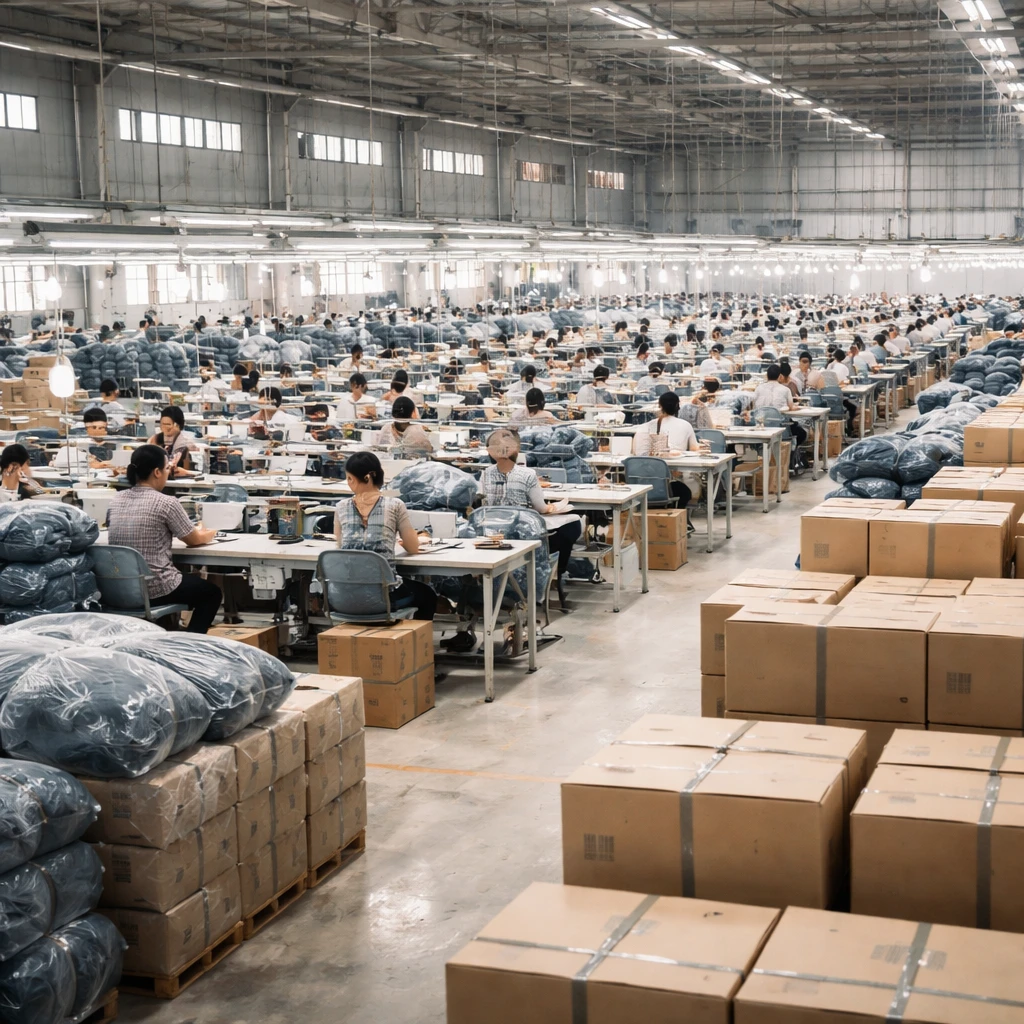
HANOI, July 24 - Vietnam has been left outside a new U.S. mechanism that could soften tariffs on certain textile imports, placing it at a competitive disadvantage with neighbouring apparel exporters, according to a Federal Register notice published this week. The exclusion means Vietnam, now the largest supplier of apparel to the U.S., will face higher U.S. duties than several regional peers when the new tariffs take effect on Friday.
The notice formalises new tariffs of 10% and 12.5% that target 60 trading partners cited for alleged lax enforcement of forced labour bans. The measures replace temporary 10% tariffs that were due to expire Friday. Those temporary duties were imposed earlier by the Trump administration after the U.S. Supreme Court in February struck down reciprocal duties of 10% to 50% that had been introduced under emergency powers.
Under the new schedule, Vietnam has been assigned a 12.5% tariff rate. China has been assigned the same 12.5% rate. In contrast, countries that have concluded trade deals with the United States and are named as beneficiaries in the notice - Bangladesh, Cambodia, Indonesia and Malaysia - will face 10% duties.
Significantly, Bangladesh, Cambodia, Indonesia and Malaysia are the only countries listed in the notice as potential beneficiaries of a new "textile mechanism" intended to encourage imports of U.S. cotton and textile inputs. That mechanism, to be established "when feasible" and initially set to last three years, would apply a quota-linked system under which a portion of eligible apparel exports could qualify for reduced or zero additional tariffs if tied to purchases of U.S. cotton and other textile inputs.
Vietnam is not included among those named beneficiaries, a development that could affect global apparel supply chains. Major brands with substantial manufacturing operations in Vietnam include Nike, Gap, Ralph Lauren and Under Armour. Those companies did not immediately respond to requests for comment.
The country’s large garment trade is now exposed to what industry observers describe as a double disadvantage: a higher tariff rate and exclusion from a mechanism that could partially offset tariff costs. Vietnam overtook China last year as the largest apparel exporter to the U.S. and is also one of the countries with the largest trade surpluses with Washington, according to U.S. trade data cited in the notice.
Vietnam’s foreign and trade ministries did not immediately respond to requests for comment on the new notice and its implications for the sector.
The notice details a quota-based pathway for eligible exporters from the named beneficiary countries to receive tariff relief tied to their purchases of U.S. cotton and textile goods. How quickly the mechanism will be established is unclear; the notice states it will be set up "when feasible." The initial duration is indicated as three years.
For apparel producers, brand supply chains and trade flows between Southeast Asia and the United States, the notice changes the tariff landscape and could reshape sourcing and input purchasing decisions where the mechanism applies.
Key developments:
- New U.S. tariffs of 10% and 12.5% apply to 60 trading partners accused of lax enforcement of forced labour bans, replacing expiring temporary duties.
- Vietnam assigned a 12.5% tariff and excluded from a textile mechanism that could lower duties for eligible exporters; Bangladesh, Cambodia, Indonesia and Malaysia are named beneficiaries subject to 10% duties.
- The textile mechanism would use a quota system linked to purchases of U.S. cotton and textile inputs and is set to last initially for three years once established "when feasible."