
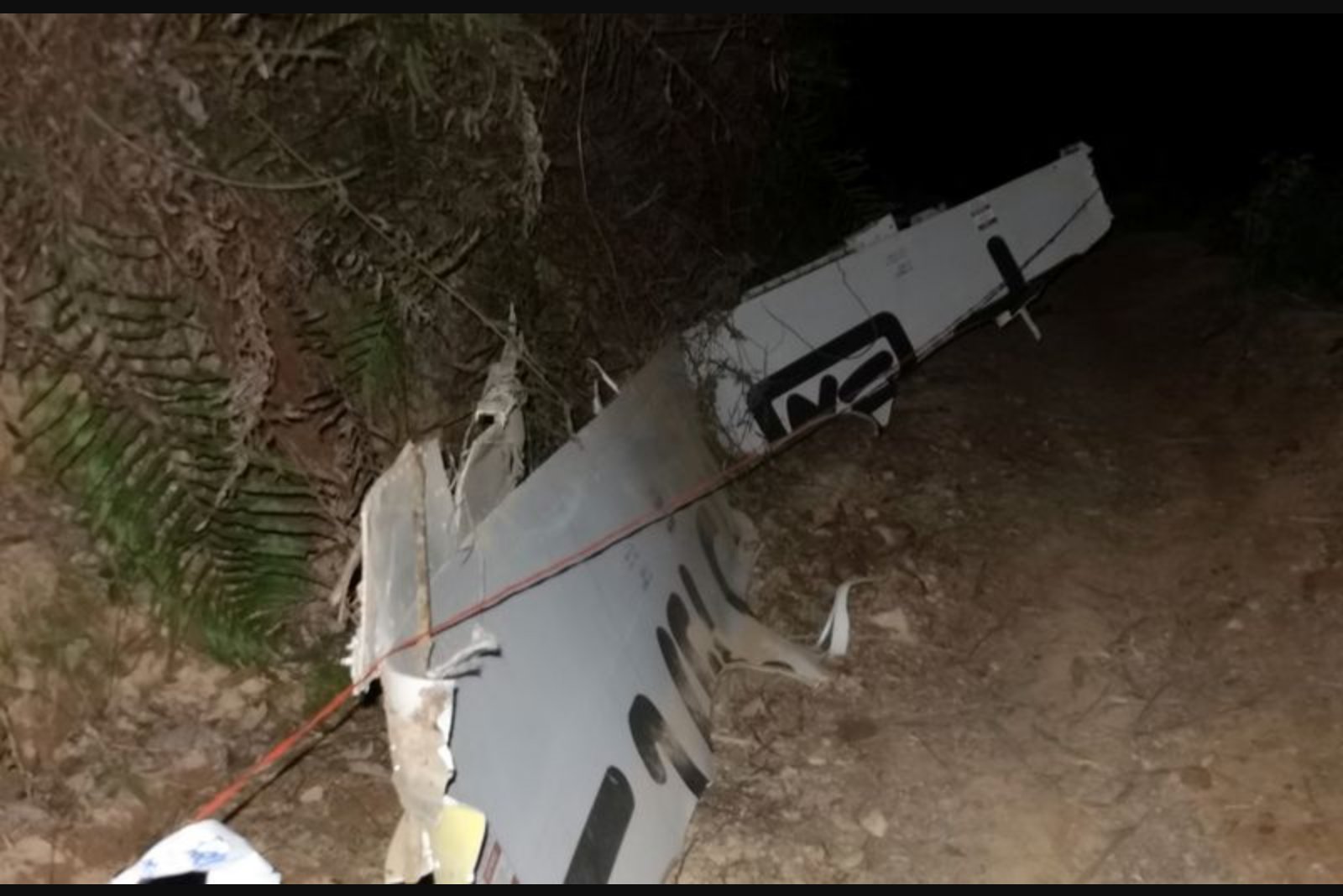
The U.S. National Transportation Safety Board (NTSB) has disclosed flight data recorder information indicating that the fuel supply to both engines of China Eastern Airlines flight MU5735 was turned off shortly before the aircraft plunged into a hillside in southern China in March 2022, an accident that killed all 132 people aboard.
The data, released by the NTSB in response to a freedom of information request, came from the plane's recorded flight data. According to the document, the fuel switches for both engines moved simultaneously from the run position to the cutoff position while the jet was cruising at 29,000 feet. The NTSB report said engine speeds decreased following the movement of the fuel switches.
Fuel switches on Boeing 737 models are physical controls that regulate fuel delivery to the engines. A pilot must pull the switch up before moving it from run to cutoff, the report noted. The aircraft involved in the accident was a Boeing 737-800 operating as China Eastern flight MU5735.
The crash was one of the deadliest civil aviation disasters in China in recent decades. The flight data recorder is one of two so-called black boxes recovered from the wreckage. That recorder was sent to the NTSB's laboratory in Washington for analysis because Boeing is the plane's U.S. manufacturer.
Chinese regulators have not issued a comprehensive report detailing the findings of their probe into the crash. The Civil Aviation Administration of China (CAAC) has not provided a full investigative report and has given no public update on its investigation for more than two years, according to the NTSB release.
Requests for comment seeking responses to the NTSB's findings were not answered by the CAAC or China Eastern Airlines. A spokesperson for China's Ministry of Foreign Affairs declined to address the U.S. findings when asked at a regular press briefing.
Key points
- The NTSB released flight data indicating both engine fuel switches were moved from run to cutoff while the aircraft was cruising at 29,000 feet.
- The engine speeds decreased after the fuel switch movement, according to the NTSB report based on the flight data recorder.
- The flight data recorder was analyzed at the NTSB laboratory in Washington because the aircraft was manufactured by Boeing; Chinese authorities have not published a full investigative report or provided an update in over two years.
Risks and uncertainties
- Incomplete public disclosure - Chinese regulators have not released a full report and have offered no public update in more than two years, leaving key conclusions unresolved; this affects aviation stakeholders and market observers.
- Limited official responses - CAAC, China Eastern Airlines, and a Ministry of Foreign Affairs spokesperson did not provide comments on the U.S. findings, constraining transparency around the investigation.
- Dependence on recorded data - conclusions in the NTSB release are drawn from the flight data recorder analysis; the full investigative context from Chinese authorities remains unavailable.
Additional context
This report is confined to the information disclosed by the NTSB and the responses - or lack thereof - from Chinese authorities and the airline. No further investigative findings from Chinese regulators were provided in the release referenced here.