
Stock Markets May 6, 2026 07:54 AM

Jefferies Flags FDA OK for Fruit-Flavoured eVapes as a Tailwind for BAT

Regulatory green light for Glas Inc products may reintroduce legal flavoured offerings and benefits British American Tobacco’s U.S. eVapour position

By Caleb Monroe BTI PM MO

The U.S. Food and Drug Administration has granted marketing authorisation to Glas Inc for a set of fruit-flavoured, age-gated eVapour products. Jefferies interprets this as constructive for British American Tobacco given its leading share of the tracked U.S. eVapour channel and the potential reopening of a legal flavoured market after a 2020 restriction.

Jefferies Flags FDA OK for Fruit-Flavoured eVapes as a Tailwind for BAT
BTI PM MO

Key Points

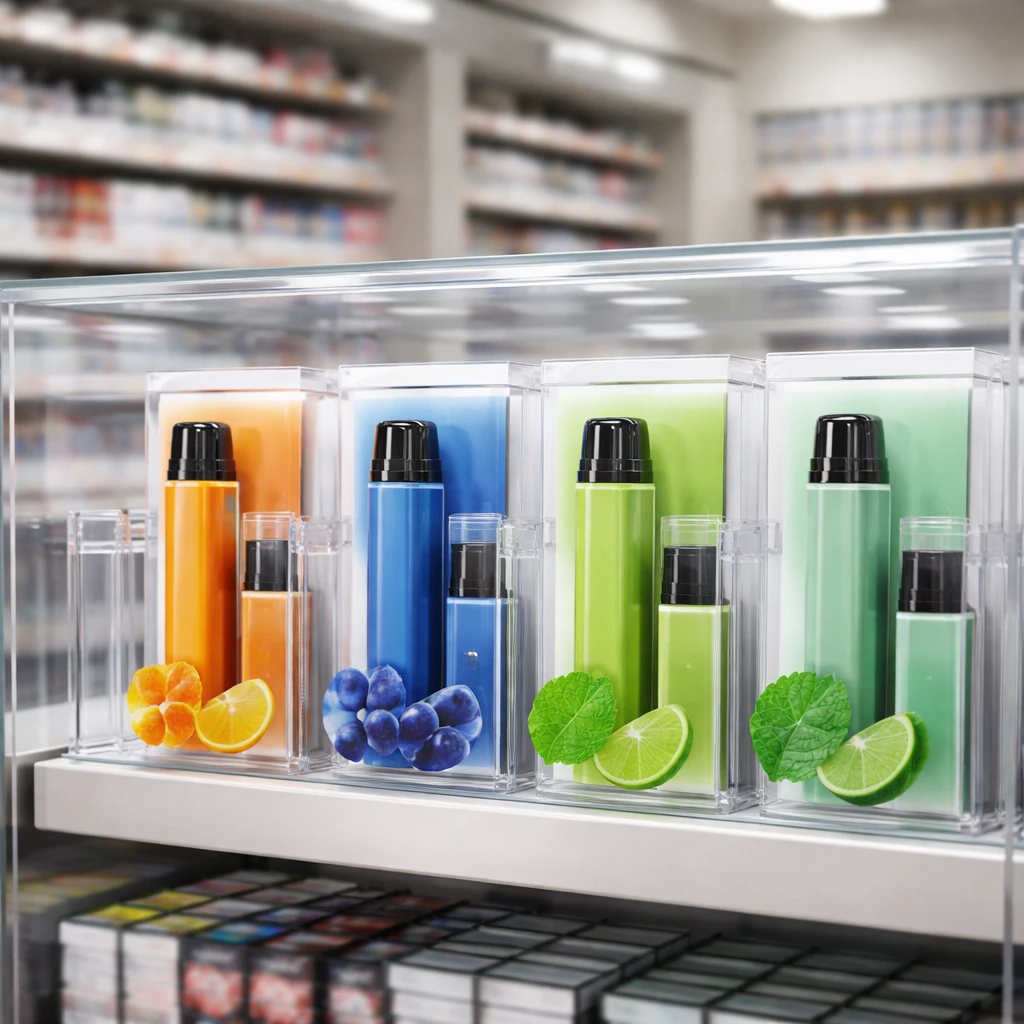
  • FDA has approved Glas Inc's fruit-flavoured, age-gated eVapour products, including mango, blueberry and two menthol variants.
  • Illicit fruit-flavoured eVapour products previously expanded to about 65-75% of U.S. eVapour volumes after the 2020 restriction; legal players limited to tobacco and menthol saw declines.
  • Jefferies views a legal flavoured eVapour market as positive for British American Tobacco, which held a 41% share of the tracked U.S. eVapour channel in April 2026; the FDA decision may indicate renewed prioritisation of Next-Gen product reviews affecting timelines for BTI, PM and MO.

The U.S. Food and Drug Administration has approved Glas Inc's applications for age-gated, fruit-flavoured eVapour products, which include mango, blueberry and two menthol varieties, according to a note from Jefferies.

These approvals mark the first time flavoured eVapour products have received FDA authorization since a 2020 restriction that limited legal eVapour offerings to tobacco and menthol flavours. Jefferies highlights that the intervening regulatory environment allowed illicit fruit-flavoured eVapour goods to expand substantially, at one point representing roughly 65-75% of total U.S. eVapour volumes.

That shift in the market coincided with volume declines among lawful competitors that were constrained to tobacco and menthol variants. Jefferies also notes that enforcement targeting illicit eVapour products showed improvement during 2025 and into early 2026.


Although Glas is the only company to receive authorization for flavoured eVapour products so far, Jefferies views the establishment of a legal flavoured segment as a net positive for British American Tobacco. The firm is the largest participant in the tracked U.S. eVapour channel, holding a 41% share in April 2026, and could benefit from a shift of volumes back into the regulated market.

Jefferies further observed activity in the FDA's broader review process. The agency's fast-track pilot programme aimed at select Oral Nicotine Pouch products - which was expected to yield decisions by December 2025 - has not produced rulings for the majority of submissions. In that context, the FDA's decision on age-gated flavoured eVapour items may signal a renewed prioritisation of Next-Gen Nicotine Product reviews.

If the FDA does accelerate review timelines broadly, Jefferies suggests the implication would extend to pending Oral Nicotine Pouch applications submitted by British American Tobacco, Philip Morris and Altria, potentially affecting the timing for those companies' market access decisions.


The note from Jefferies frames the Glas approvals as an initial, tangible step in the regulatory reopening of flavoured eVapour options within the legal U.S. market. For market participants and observers, the development raises questions about how quickly legal manufacturers can reclaim volume from previously dominant illicit channels, and about the pace at which regulators will resolve outstanding Next-Gen product applications.

Risks

  • Only Glas's flavoured eVapour products have received FDA approval so far, leaving uncertainty about when or if other flavoured offerings will be authorised - impacting the pace of legal market restoration.
  • The FDA fast-track pilot for select Oral Nicotine Pouch products had not produced decisions for most applications by its expected December 2025 timeframe, creating uncertainty around timing for manufacturers with pending applications.
  • A substantial illicit market had emerged following the 2020 restriction; despite improved enforcement in 2025 and early 2026, reclaiming volumes from illicit channels is uncertain and could affect manufacturers' unit economics and retail performance.

More from Stock Markets

TSX Futures Climb as Hopes Grow for U.S.-Iran Deal; Commodities and Tech Stocks in Focus May 6, 2026 Santander Shares Jump as Bank Explores SRT for BNPL Loans May 6, 2026 CMA CGM Container Ship Struck in Strait of Hormuz, Crews Treated as Transit Halts May 6, 2026 Microsoft Weighs Pullback on Ambitious 2030 Hourly Renewable Target May 6, 2026 EBRO Aims for Up to 30,000 Cars from Barcelona Facility, Anticipates Return to Profit May 6, 2026