
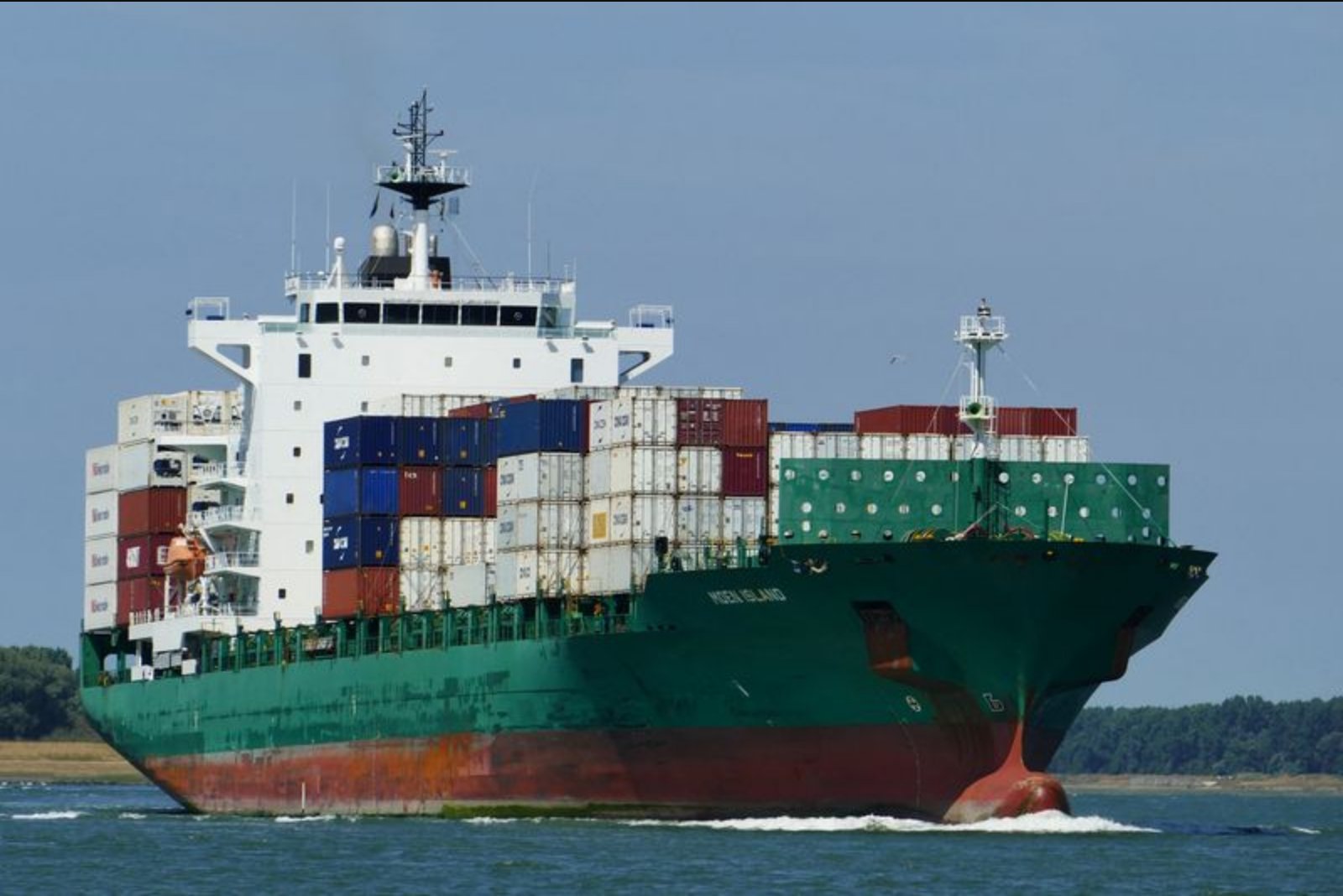
A CMA CGM container ship was struck while transiting the Strait of Hormuz, injuring members of its crew and causing damage to the vessel, the French shipping group said. The company reported the incident occurred on Tuesday and identified the ship as the Maltese-flagged San Antonio.
CMA CGM said on Wednesday that the wounded crew members had been evacuated and were receiving medical care, and declined further comment. The United Nations' International Maritime Organization counted eight crew wounded in the attack, noting this was the 32nd such incident since the war began.
A French government spokesperson, Maud Bregeon, said France was not specifically targeted. CMA CGM confirmed the injured seafarers were from the Philippines.
A maritime security source told reporters the San Antonio was struck by an Iranian projectile while attempting a night transit near Oman. It was not clear whether the vessel was sailing under the U.S. escort operation that Washington had launched on Monday to help clear a backlog of ships in the Gulf.
The attack occurred as the U.S.-Iran conflict left movement through the Strait effectively at a standstill. Tracking data for the past 24 hours showed no vessels transiting the waterway, reflecting an effective halt to commercial passage. The disruption has stranded hundreds of ships and interrupted roughly 20% of global oil trade, according to accounts of the situation.
Washington had launched an escort operation on Monday that allowed two U.S.-flagged vessels to exit the Gulf, but U.S. President Donald Trump said on Tuesday the effort would be briefly paused amid talks aimed at reaching a broader deal with Iran.
Tehran's state media published a map showing an expanded zone of the waterway that Iran said was subject to its control.
The French carrier, which ranks as the world's third-largest container line, had earlier indicated that 14 of its vessels were stranded in the Gulf at the start of the conflict. One of its ships, the CMA CGM Kribi, exited the Strait of Hormuz at the beginning of April.
Shipping data listed the San Antonio's destination as Mundra, India. The attack adds to the string of incidents affecting merchant vessels since the outbreak of hostilities and follows other recent strikes on ships operating in and near the waterway.
"While a few ships made it out safely while 'Project Freedom' was in place, it was clear that transits without coordination with Iran entailed significant risk," Jakob Larsen, chief safety and security officer at shipping association BIMCO, said.
Market indicators reflected the broader unease. LCO fell 5.76% and CL declined 6.16% as traders reacted to the unfolding situation around the Strait.
The developing picture includes uncertainties about escort arrangements and the security of uncoordinated transits. Authorities and industry groups are monitoring the condition of affected vessels and the wellbeing of crewmembers, while shipping lines and insurers assess the commercial and logistical impacts of the stoppage.