
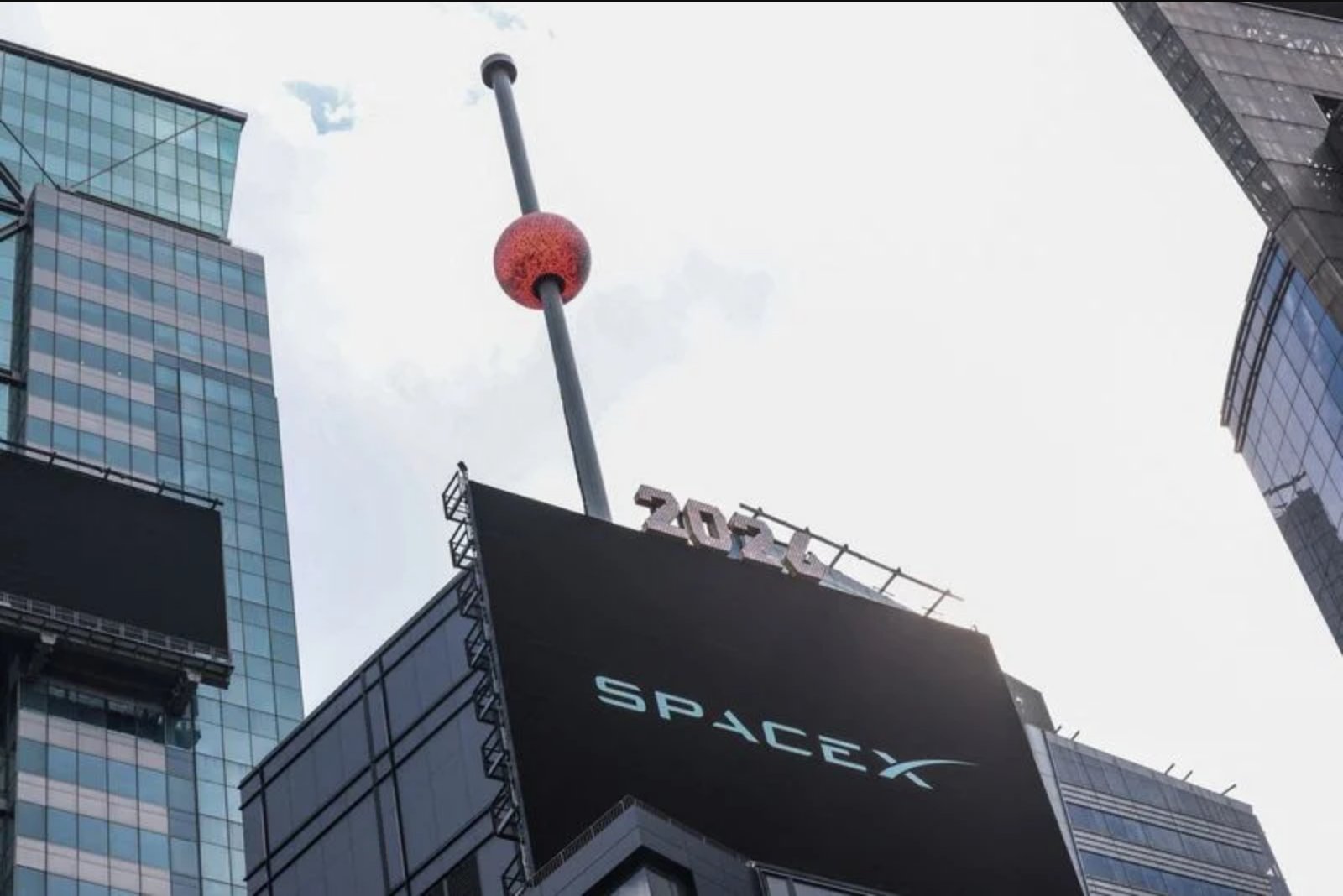
SpaceX has filed plans to begin construction next month on an eight-mile (13-km) natural gas pipeline, dubbed "Starpipe," to feed its Texas launch complex, according to county and regulatory filings reviewed by Reuters. The pipeline is intended to terminate at Starbase, the company-built community and launch site in Texas, and a filing by Lone Star Mineral Development with the Texas Railroad Commission indicates Starpipe is targeted to be operational by January 26.
The pipeline proposal, earlier reported by a regional business journal, appears to align with a broader push within SpaceX to increase the tempo of Starship development and flight operations. The fully reusable Starship, a 40-story rocket, is a central element of SpaceX's plans to expand Starlink broadband, deploy orbital satellites designed for AI data-center workloads, and eventually carry crew to the moon and Mars.
Starship consumes roughly 630,000 gallons (2.4 million liters) of liquid methane for each launch. Current refueling for test flights relies on hundreds of tanker truck deliveries - a process that takes hours and that SpaceX regards as incompatible with ambitions to escalate from the dozen or so test flights conducted since 2023 to a cadence of dozens, hundreds and eventually thousands of launches a year.
SpaceX did not respond to a request for comment on the pipeline filings.
Supply chain and energy infrastructure plans
The plan to install a 16-inch (406-mm) diameter pipeline suggests SpaceX is preparing for a fuel demand that likely exceeds the requirements for the 25-launch annual cadence currently authorized by the Federal Aviation Administration. Engineering documents previously filed with the U.S. Army Corps of Engineers also indicate SpaceX intends to construct a liquefaction facility at Starbase to convert piped-in natural gas into liquid methane for rocket propellant.
SpaceX President Gwynne Shotwell told CNBC on June 12, when the company completed its public listing, that the company planned to build pipelines and process its own propellant, and that it was exploring drilling for natural gas. That stated strategy is consistent with the filings and with land records showing the company has signed more than 100 paid-up oil and gas leases with Texas property owners since 2023.
Industry observers note that drilling for and extracting natural gas is a distinct discipline from aerospace manufacturing, and it carries its own technical and operational challenges. Stan Lindsey, an oil and gas consultant in Texas, said extracting gas would be difficult for a company with no prior oil and gas experience, while acknowledging it is not impossible. He also observed that if drilling plans do not pan out, a dedicated pipeline like Starpipe would provide SpaceX with an alternate route to secure fuel for Starship.
William Farrar, a Texas oil and gas lawyer and geoscientist, described building a liquefaction facility at Starbase as making efficient operational sense if piped gas can be brought to the site. The pipeline's proposed origin point lies on an 83-acre (34-hectare) parcel at the Port of Brownsville that SpaceX is reportedly negotiating to lease from the city for 50 years, according to a port official who spoke on condition of anonymity due to the private nature of the negotiations.
Broader implications
SpaceX's move into energy infrastructure underscores a deliberate strategy to internalize critical links in its supply chain. The company has previously integrated vertically across manufacturing and launch operations; advancing into fuel sourcing and processing would extend that control from subsurface resources to orbital deployment.
Engineering filings suggest SpaceX could tap into existing and planned regional gas infrastructure. One potential connection would be Enbridge's Valley Crossing Pipeline expansion, which would run near Starpipe's proposed start point, according to the consultant quoted in filings. Enbridge did not immediately reply to a request for comment.
SpaceX's ambition extends beyond the immediate logistics of fueling rockets. Its initial public offering prospectus referenced plans for deploying thousands of solar-powered, AI-oriented satellites; the prospectus also estimated the combined energy output of that satellite fleet could reach a significant fraction of national grid-scale output. The pipeline and any on-site liquefaction capability would therefore not only support test and commercial launches but also underpin long-term satellite deployment plans described in the company's filings.
Operational context and uncertainties
Starship has flown 12 test missions since 2023, and SpaceX has publicly stated an intention to accelerate that flight rate substantially. The company's current FAA authorization allows 25 launches per year, a figure that the size of the proposed pipeline may exceed in terms of projected fuel throughput. The company is taking multiple approaches to secure fuel: constructing a pipeline, pursuing leases to explore for gas, and planning on-site processing to produce liquefied methane.
While the pipeline would provide a direct logistical alternative to the current truck-based fueling process, the company's larger plans remain contingent on factors reflected in filings and public statements - including regulatory approvals, the outcome of drilling exploration, and the technical execution of on-site liquefaction and storage systems.
SpaceX's stated goal of increasing Starship launches to a much higher annual cadence is central to why the company is seeking to reshape its fuel supply chain. The filings and public comments make clear that the Starpipe project is part of a broader, capital-intensive effort to own and manage more of the resources and infrastructure required for a substantial scale-up of operations.
Summary
SpaceX plans to construct an eight-mile Starpipe natural gas pipeline to its Starbase launch complex, with service expected by January 26, filings show. The project would supply a planned liquefaction facility to produce liquid methane for Starship, aiming to replace slow truck-based deliveries and support a much higher flight cadence. The initiative complements SpaceX's exploration of drilling and lease-holdings in Texas and reflects a strategy to internalize key parts of its supply chain.