
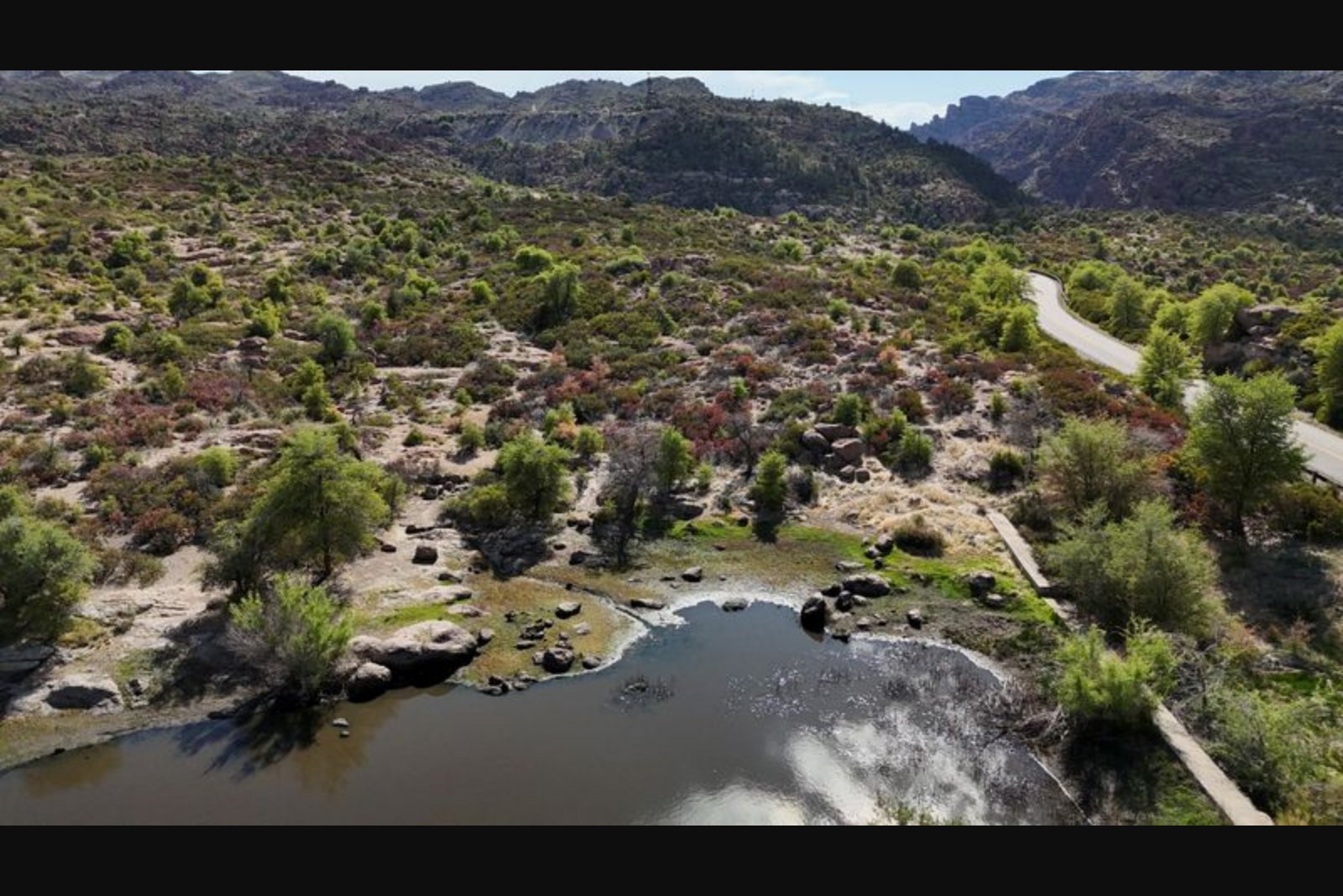
Rio Tinto announced on Monday that it has gained control of the parcels in Arizona necessary to advance the Resolution Copper project, a development that follows years of litigation and public opposition. The Anglo-Australian miner completed a land exchange with the U.S. Forest Service that transfers 5,400 acres to the agency and gives Rio access to 2,400 acres that company estimates contain more than 40 billion pounds (18.1 million metric tons) of copper.
The land swap was cleared after recent rulings from the U.S. courts. An appeals court last week declined requests to enjoin the transaction, and the U.S. Supreme Court did not intervene with emergency relief. Rio said it will now initiate a $500 million drilling campaign to explore the deposit - a required step before the company can model production timelines and provide a forecast for when copper could be produced from the site.
The Resolution Copper site has been the focal point of a prolonged dispute that pits the religious rights and land claims of the San Carlos Apache against growing U.S. demand for copper amid efforts to strengthen domestic supply chains. The tribe and its advocates have opposed the project for more than two decades, in large part because the mine would encompass Oak Flat, known in the Apache language as Chiâ’chil Biłdagoteel, a location used in worship.
Legal efforts by the San Carlos Apache and allied groups to block the land swap have been repeatedly rejected by courts, including appeals and Supreme Court considerations cited by the parties involved. The tribe has argued that Washington lacked authority to exchange the parcels with Rio and lodged a property lien in 2021. Representatives for the San Carlos Apache and their attorneys were not immediately available for comment following Rio’s announcement.
Political support for the project has been vocal at times. U.S. Agriculture Secretary Brooke Rollins, whose department oversees the U.S. Forest Service, said the initiative "fulfills President Trump’s vision of American mineral independence." Former President Trump also publicly supported the mine last August on his social platform, characterizing opponents as "Anti-American, and representing other copper competitive Countries."
"As demand for copper continues to grow, projects like Resolution can play an important role in strengthening domestic supply chains," said Katie Jackson, head of Rio’s copper business.
Rio and minority partner BHP Group have invested more than $2 billion in the project to date without producing any copper. BHP holds a 45% stake while Rio holds 55%, and the companies have described Resolution as a potential engine for U.S. economic activity. BHP stated the project is "positioned to be an engine for economic growth in the U.S., creating thousands of high-value, local jobs and billions in economic activity nationwide."
With court decisions now allowing the land exchange to proceed, Rio’s immediate operational step is the deep drilling program. Company officials say the exploratory phase is essential to determine resource characteristics and to underpin any future production timetable. Beyond exploration, the project remains subject to ongoing political, cultural, and legal sensitivities arising from the longstanding objections of the San Carlos Apache.
The outcome represents a pivotal moment for the Resolution Copper initiative: it closes a chapter in the legal fight that has delayed development, while opening the next phase of resource assessment and permitting. How quickly the deposit could move from exploration to production will depend on the results of the planned drilling and on the broader regulatory and social context that continues to surround the site.