
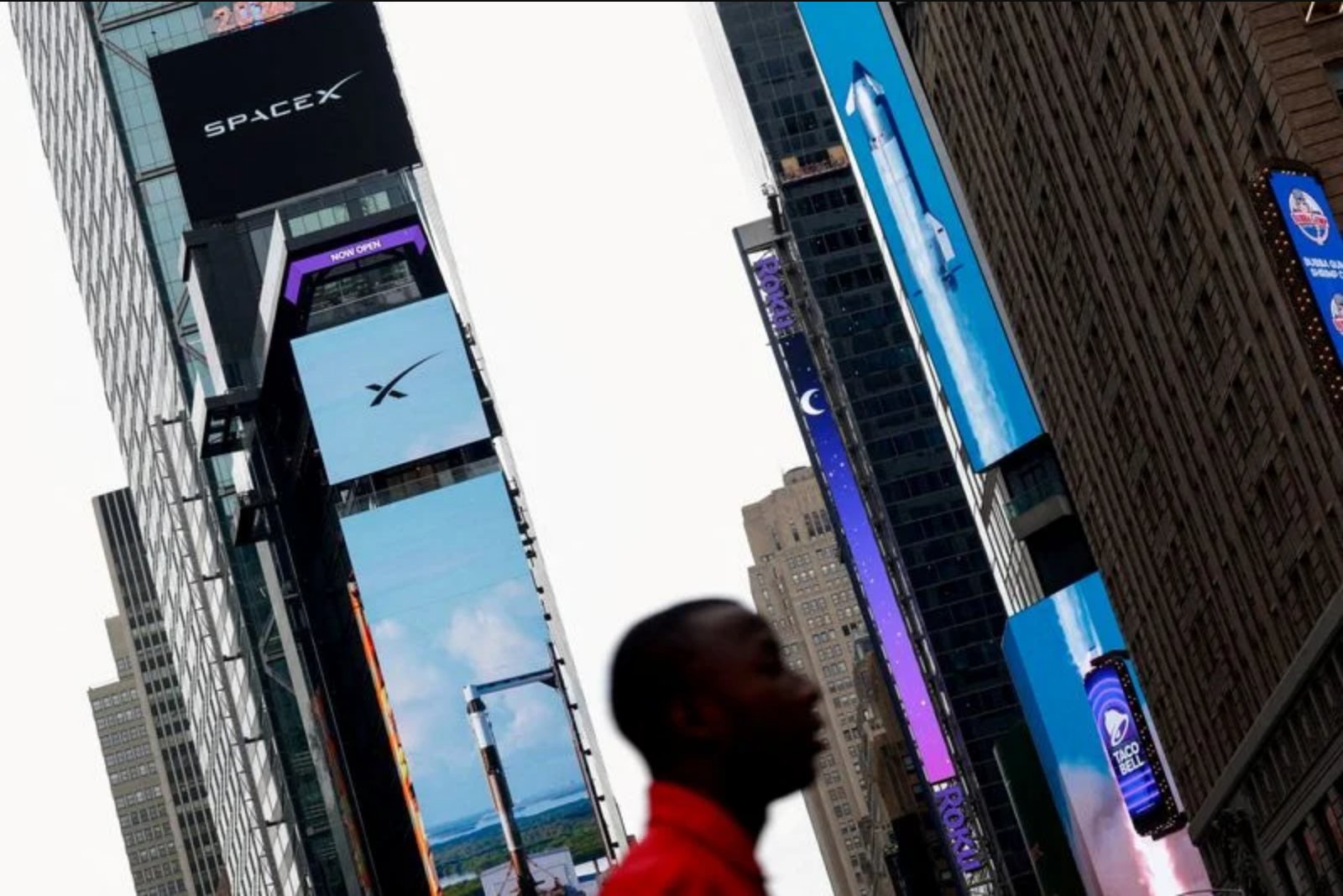
Individual investors who had been hoping to own a slice of SpaceX converged on brokerage platforms and their e-mail inboxes as the company's shares began trading, checking to see whether they had secured allocations - and for many who did not, heading straight to the public market to buy.
SpaceX and the banks managing the sale designated as much as 30% of the shares offered in the initial public offering for retail buyers. That unusually large retail set-aside made generating demand and collecting buy orders from retail accounts a central part of the transaction’s distribution strategy.
For some who were able to obtain an allocation, the result was gratifying. Joseph Gutheinz, a retired NASA investigator who now practices law, said he did not seek an IPO allocation through the offering process but purchased $100,000 of SpaceX stock on the first trading day at $161 per share. "It’s a great investment," he said. "Win or lose, I’m happy to be invested at all."
Traders and strategists pointed to robust retail participation as a factor behind the stock’s strong debut. SpaceX shares rose 19% on their first day of trading. "This allocation to retail is far and away the highest I’ve ever seen in my decades on Wall Street," said Art Hogan, an investment strategist at B. Riley Wealth in Boston. "It’s the latest, greatest shiny object for retail investors to get into right now."
One retail brokerage involved in distributing the deal described exceptionally high demand. A spokesman for SoFi said the offering was "the largest and most subscribed offering on our platform to date" and asserted that every individual customer who satisfied SoFi’s internal criteria received an allocation.
Marketplace activity data underscored the scale of retail engagement. Net buying of SpaceX shares represented roughly 4% of all single-stock retail turnover on the first trading day, amounting to $453 million and running at 3.5 times the pace of the next most active retail purchase, Nvidia. A firm that tracks self-directed individual investor flows reported that SpaceX climbed into the top ranks of most actively bought stocks by retail traders within the first 20 minutes of trading and by mid-afternoon had become the single most purchased stock by that group.
Despite the strong overall demand and significant retail participation, many individual applicants received far smaller allocations than they requested, and some received none. Posts on a Reddit forum devoted to allocation updates illustrated the discrepancies: one user wrote, "Requested 250, received nothing," while others reported partial fills such as "Requested 555, got 10" and "requested 1,000, got 85."
The IPO’s retail-friendly posture had been signaled earlier by SpaceX founder Elon Musk, who in 2024 said that if any of his private companies were to go public he intended to prioritize retail buyers, particularly owners of his public company, Tesla. "Loyalty deserves loyalty," he wrote at the time.
Evidence of strong retail conviction extended beyond first-day buying. Clint Sorenson, chief investment officer of Ascentis Asset Management, said he offered clients who had previously invested via private vehicles the chance to hedge their newly public exposure now that SpaceX traded on public markets. According to Sorenson, none of those clients elected to hedge. "Everyone wants to keep holding and celebrating right now; no one wants to even think of hedging their risk because they believe in the story so much," he said.
Market takeaway - The combination of a large retail allocation and intense interest from self-directed investors contributed materially to the stock’s early trading strength. At the same time, reported shortfalls in IPO allocations for some retail applicants underscore the competitive nature of access to high-profile offerings, and illustrate the divergence between those who receive allocations through broker channels and those compelled to buy on the open market.