
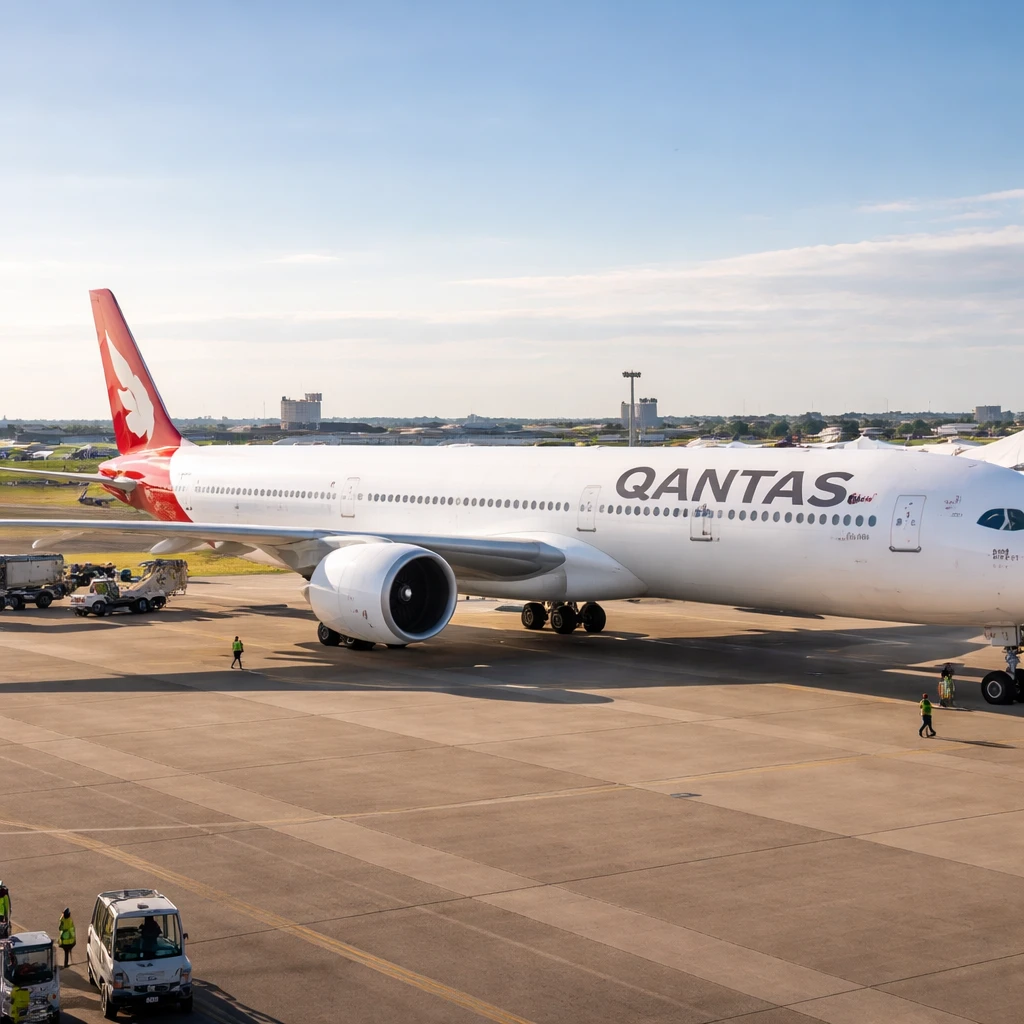
Qantas plans to announce the first route for Project Sunrise at an event in Toulouse, where the carrier will present both the destination and the business case for operating the world’s longest non-stop scheduled flights from eastern Australia to either London or New York. The initiative, which has been under development since 2017, aims to eliminate traditional hub stopovers and introduce direct services on specially modified long-range Airbus jets.
Project Sunrise is designed to compress what used to be a multi-day journey along the so-called "Kangaroo Route" into a single sector of no more than 22 hours, depending on routing and wind conditions. Today, the journey typically takes about 24 to 25 hours with a stop in Singapore. Qantas currently serves New York from Sydney via Auckland; New York is among the initial cities being considered but the airline has not disclosed which destination will be launched first.
The carrier has invested heavily in fleet modifications, cabin designs and research into the health implications of ultra-long flights - commitments that run into the billions of dollars. Those investments are central to Qantas’ strategy: to persuade travelers to pay premiums to avoid layovers while managing passenger comfort and the physiological challenges of extended time aloft.
"What they are selling is time, and they absolutely need to get a premium on all the cabins, particularly business and premium economy," aviation analyst John Strickland said.
Qantas gave Project Sunrise its name in reference to the airline’s "double sunrise" endurance flights during World War Two, which remained airborne long enough to observe two sunrises. The carrier estimates the program could contribute more than A$400 million ($282.68 million) a year to earnings. In February, Qantas CEO Vanessa Hudson said the business case assumed non-stop fares in premium cabins could be around 20% higher than comparable one-stop tickets.
Analysts caution, however, that higher energy prices tied to regional tensions have increased the threshold for profitability. Jefferies analysts, in an April note that referenced geopolitical developments earlier this year, said passengers were likely to continue to choose direct flights to Europe via Perth or stick with transfers through Middle Eastern or Asian hubs through 2027. Despite that, Jefferies added that they expected a positive market for Project Sunrise services to London.
Competing Gulf carriers, which reshaped international traffic patterns by concentrating connections at their hubs, have signaled they will defend their market position. Helping their efforts, the Australian government recently removed a months-long "do not travel" advisory on Gulf hubs that had previously voided most travel insurance policies, even for transit passengers.
At the Toulouse gathering Qantas will lay out the economics of the proposed direct routes to investors and showcase its custom cabin arrangements to a broader audience. Airbus secured the Project Sunrise order after an intense contest with Boeing’s 777X in 2019, and Qantas has since placed an order for 12 modified A350-1000ULR aircraft.
Earlier this month Qantas conducted the first test flight of one of those modified A350-1000ULR jets. The 238-seat configuration includes an additional rear-centre fuel tank that extends range by about 1,000 nautical miles to roughly 10,000 nautical miles. Such extreme distances mean a significant portion of the fuel load is devoted simply to transporting the remainder of the fuel.
The first of the modified A350-1000ULR aircraft is scheduled for delivery in April 2027, a timing that is approximately five years later than initially expected. Qantas attributes the delay to the COVID-19 pandemic and widespread aerospace supply chain disruptions that followed.
Separately, Qantas is in talks to acquire a further 20 wide-body jets from Airbus or Boeing, weighing options that include the smaller A350-900 or additional Boeing 787s.
Investor and market implications are multifaceted. For Qantas, the project represents a large strategic bet that targets higher-yield premium traffic and a reshaped long-haul network. For aerospace manufacturers and suppliers, the order and subsequent fleet decisions carry implications for production schedules and aftermarket services. Energy and fuel markets are also a material input to the economics of ultra-long sectors, while insurers and travel intermediaries may adjust products and pricing as nonstop ultra-long offerings change passenger behaviour.