
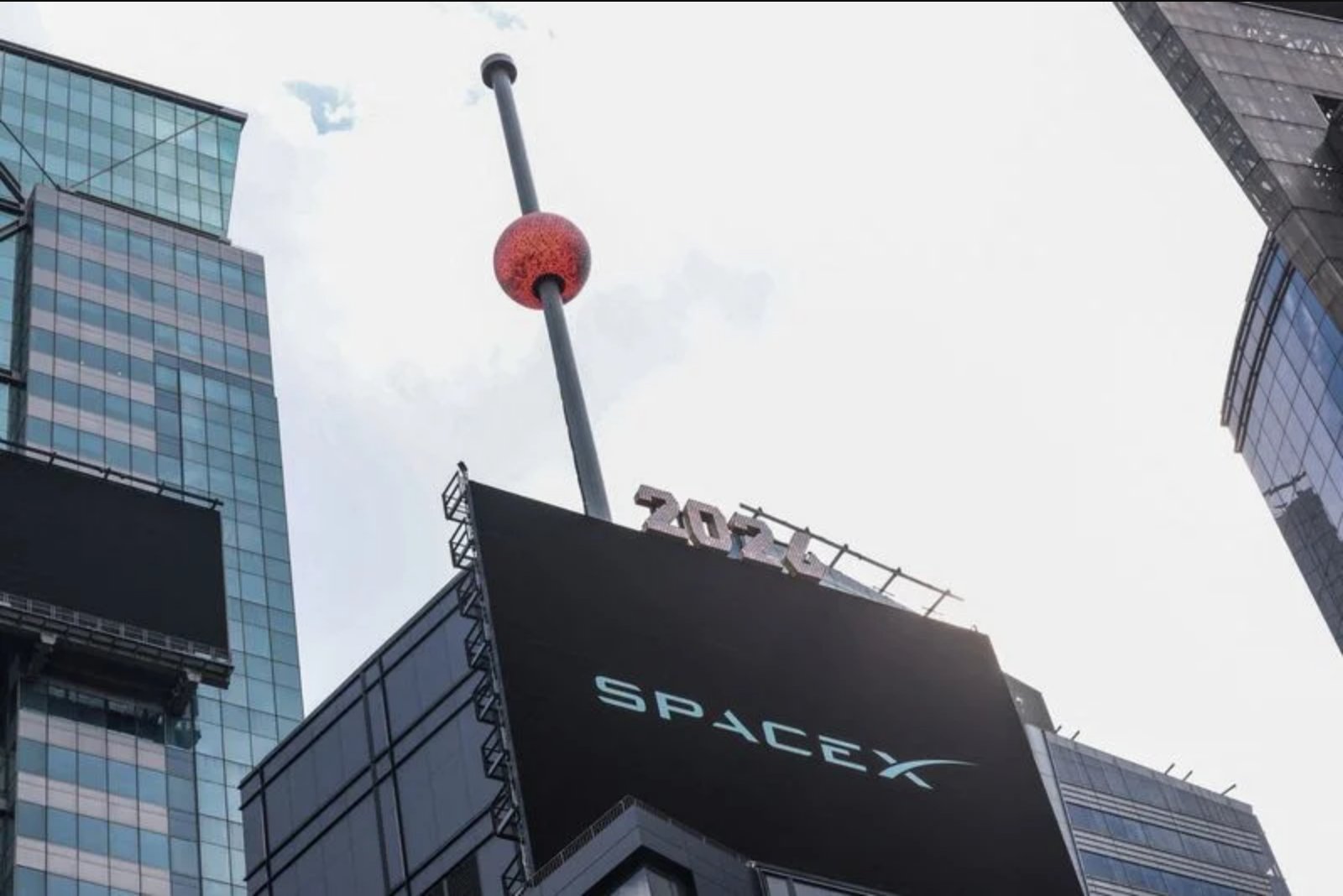
Short sellers have sharply increased wagers against SpaceX in the weeks after its market debut, piling into positions that now account for nearly a third of the company’s tradable shares. According to Ortex data, short interest rose to 196 million shares - roughly 31% of the free float - through Tuesday, up from about 83 million shares or 13% of the free float a week earlier.
The concentrated bearish stance has already proved costly for those investors. Ortex estimates that short sellers are carrying roughly $760 million in mark-to-market losses since the initial public offering. The path of the stock has been choppy: when shares fell to near $153 last week, short positions were up approximately $2.5 billion on paper, but a subsequent rebound erased that paper gain.
Market participants and data providers warn the size of the short position could amplify price swings. Ortex calculates that each $1 move in the SpaceX share price corresponds to about $200 million in gains or losses for short sellers. That sensitivity means the existing short interest - if joined by forced buying to close positions - could add upward pressure on the stock in the event of further rallies.
"(The rise in short bets) is extraordinary for a stock that has been public less than a month," said Peter Hillerberg, co-founder of Ortex, underscoring how quickly bearish wagers have accumulated. Hillerberg added that the position size represents "a lot of potential fuel if it tips into a squeeze."
"SpaceX has been a roller coaster for the short sellers," Hillerberg said.
The short interest followed an early phase of weakness after the company’s debut. Shares initially rallied but then slid as much as 23% in the days following the June 12 market debut, a move that encouraged some traders to sell borrowed shares in hopes of profiting from further declines.
Several dynamics make the trade complex. SpaceX’s valuation of more than $2 trillion draws skepticism from investors betting against the company, while robust retail and institutional demand for shares and the founder’s public history of confrontations with short sellers make the position risky. SpaceX did not immediately respond to requests for comment.
Despite the large short interest, the cost to borrow SpaceX shares remains relatively modest, with Ortex reporting a borrow rate of about 1%. That low borrowing cost signals that, for now, it is not prohibitively expensive to maintain short positions.
Given the ratio of shares sold short to the shares available to trade, Ortex cautions that a continuing rebound in the share price could force short covering - where bearish investors buy shares to close their positions to limit losses - and that such covering could drive the share price higher. Hillerberg flagged the potential for the situation to intensify if market pressure pushes the position into a squeeze.
For now, the situation remains unsettled: a large and growing short position generates potential volatility, imposes material mark-to-market losses on bearish investors, and keeps open the risk of rapid price moves should conditions change. Market participants will be watching share price action closely, given the outsized dollar impact of even modest price movements on short positions.