
Summary: Recent corporate filings in Japan increasingly cite restricted supplies of rare-earth elements as a material business risk after China significantly reduced exports of certain minerals to Japan. The curbs, tied to diplomatic fallout, have left firms from materials makers to consumer electronics and watchmakers assessing potential impacts on production, costs and financial performance. Tokyo is mobilizing investment, subsidies and international coordination to secure alternative supplies, but the timeline and scale of relief are uncertain.
Corporate Japan is registering a rising level of concern about access to critical minerals after China sharply curtailed shipments of particular rare-earth oxides to Japan. The surge in warnings in regular submissions to the Tokyo Stock Exchange has coincided with otherwise positive economic signals - including back-to-back record highs in the Nikkei index and upbeat corporate sentiment in the Bank of Japan’s Tankan survey - but the spike in mineral-related disclosures points to a growing vulnerability beneath the surface.
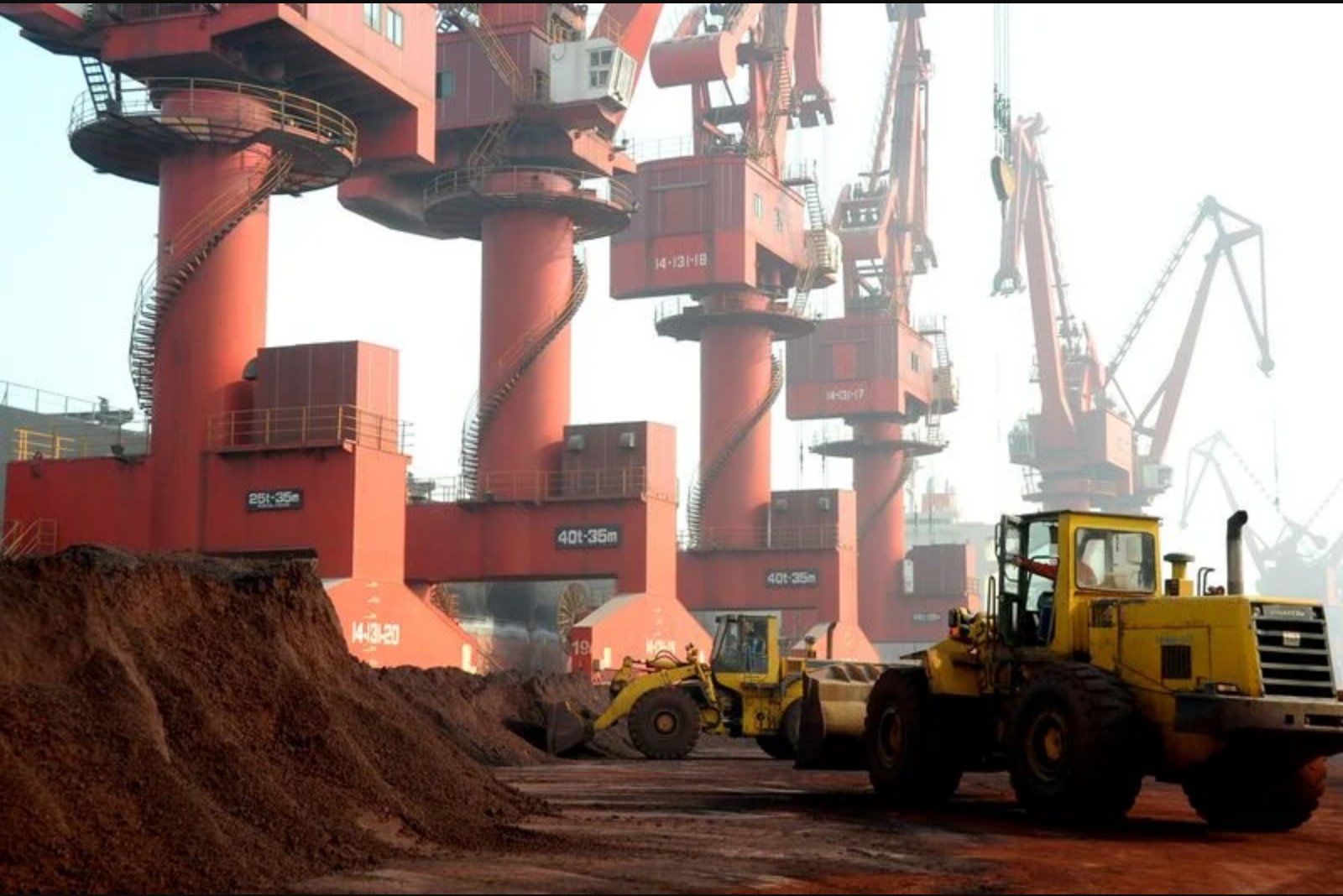
Data from Chinese customs show that exports of terbium and dysprosium oxide to Japan were effectively halted from November through May, while shipments of yttrium oxide have been described as minuscule since December. These materials are key inputs in the manufacture of powerful magnets and a range of advanced components used in electric vehicles, electronics and defence-related equipment.
Historically, rare-earth mentions in Tokyo Stock Exchange filings rarely exceeded 40 per month and were concentrated in materials and industrial firms. Since May, however, those notices have doubled and broadened into consumer and electronics companies that previously did not flag such risks. Nearly 200 filings in May and June cited rare earths, and more than two-thirds of those statements said export controls were already affecting their operations negatively or could do so in the future.
Corporate examples cited in filings underscore the widening concern. On June 23, watchmaker Citizen Watch warned that continued restrictions on rare-earth exports could "affect the group’s production activities and financial performance." In follow-up comments to Reuters, Citizen Watch said rare earths are mainly used in motors, but added they had not yet affected production or earnings and the company did not expect to revise earnings forecasts because of the current supply risks or China’s export controls.
Medical-device manufacturer Omron, in a filing dated June 22, included China’s rare-earth export restrictions in its broader assessment of geopolitical risks alongside conflicts in Ukraine and the Middle East. Omron said the controls have not had a significant impact on its production or earnings so far. The company noted that it does not procure rare earths directly, but some purchased components contain materials that use them.
Industry analysts describe an uneven but widening footprint of pain across sectors. Satoru Yoshida, a commodities analyst at Rakuten Securities, attributes variation in impact to differences in how much inventory companies had accumulated before Beijing tightened exports. "Supply is being restricted, but everyone is starting to use them - and that only makes them even rarer," Yoshida said, while noting China controlled roughly 70% of rare earth production and 60% of reserves as of 2025.
Takeshi Higashifukasawa, chief economist at Mizuho Research Institute, pointed to the increasing role of rare earths across a broader range of goods amid technological development. He recalled that Japan’s economy suffered about a 0.9% GDP hit in 2010 during a prior episode of trade restrictions by China and warned the current impact could be larger now that rare earths figure more prominently in supply chains, including electric vehicles and expanding usage tied to AI-related deployments. "Companies cannot afford to be optimistic," he said.
Tokyo has moved to accelerate efforts to secure alternative sources and to shore up supply chains. Japan’s industry ministry said it is leveraging investments and subsidies to collaborate with allies and private firms to obtain steady supplies of rare earths and other critical minerals. In October, Prime Minister Sanae Takaichi signed a framework with U.S. President Donald Trump to coordinate on critical minerals and rare earths, encompassing joint stockpiling and rapid-response supply arrangements. The two governments have also discussed joint development of deep-sea deposits, though commercial-scale output remains years away.
At the multilateral level, Takaichi is relying on a G7 agreement reached in June to intensify coordination of stockpiles. Japan has also initiated some rare-earth recycling projects, seeking to capture more supply from domestic recovery processes. But questions remain around the timing and capacity of these measures to offset the shortfall.
"I assume that a year of export restrictions will create big problems and we’re four to five months into that," said Yuriy Humber, CEO of Tokyo-based consultancy Yuri Group. He added that the government is likely downplaying the issue publicly to avoid panic that could hand China a strategic advantage.
For now, many firms report limited immediate impact on output and earnings, but the rising frequency and breadth of rare-earth risk disclosures in corporate filings are prompting closer scrutiny from investors and policymakers. If restrictions persist, analysts warn, manufacturers that lack pricing power, limited ability to pass through input costs, or fragile distribution footprints could face tougher operational and financial strains.
Key points
- There has been a sharp rise in corporate notices referencing rare-earth supply risks since May, expanding beyond materials firms to consumer and electronics companies.
- Chinese customs data show no exports of terbium or dysprosium oxide to Japan from November through May and only very small shipments of yttrium oxide since December.
- Tokyo is pursuing investments, subsidies, allied coordination and recycling programs to secure alternative sources, but commercial-scale substitutes - including deep-sea development - remain years away.
Risks and uncertainties
- Duration risk: If export restrictions extend for a year, consultants and economists warn of materially greater disruption to production and financial results across affected sectors.
- Supply concentration: With China supplying a dominant share of production and reserves, constrained exports could raise input-cost pressure and complicate cost pass-through for manufacturers and consumer-facing companies.
- Timing and scale of mitigation: Government and industry plans for stockpiles, allied coordination and recycling have uncertain timelines and unclear yield, leaving near-term supply gaps unresolved.
Tags: rareearths, Japan, China, minerals, supplychain