
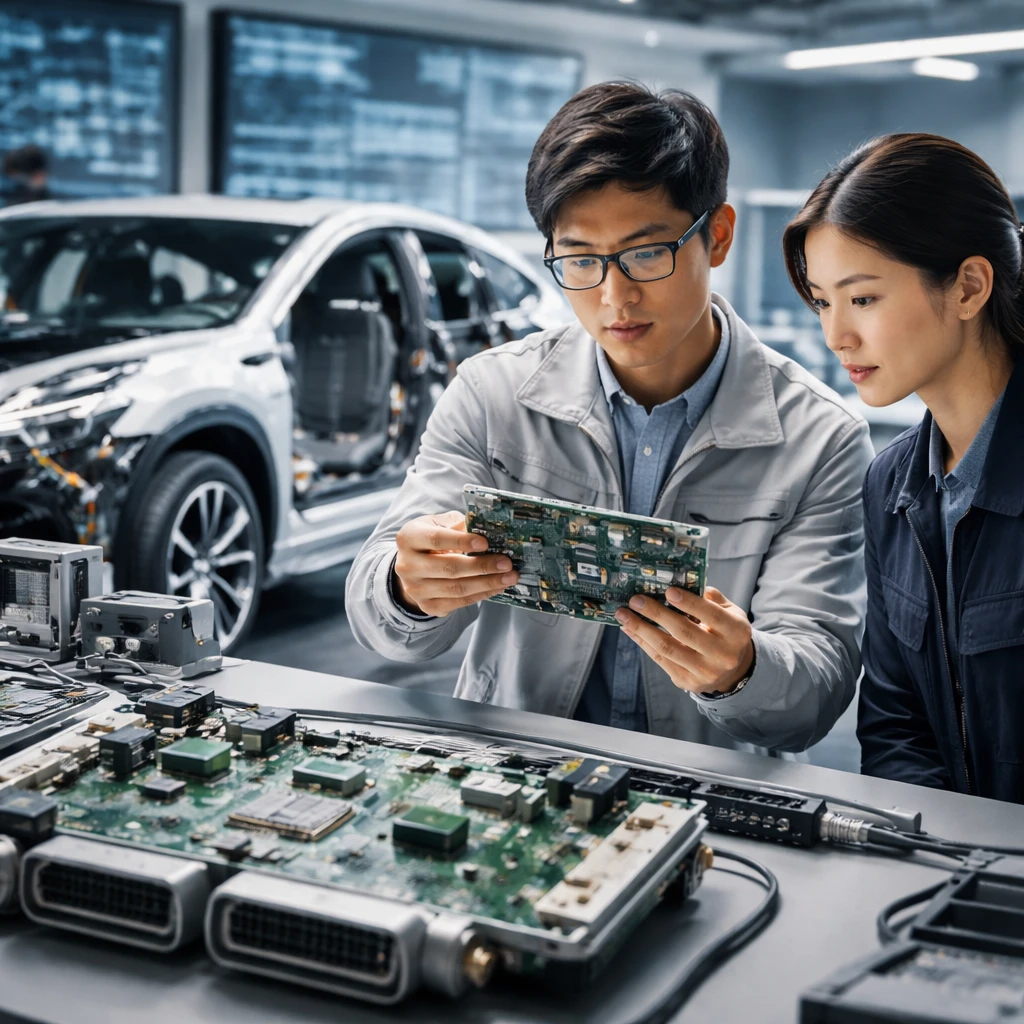
Honda and Nissan said on Monday they will work together to develop standardized electronic control units (ECUs) and associated software for software-defined vehicles (SDVs), expanding a collaboration on vehicle technology first discussed in 2024. The automakers intend to deploy an electrical and electronic architecture that incorporates the jointly developed ECUs and software beginning with next-generation vehicles from the 2029 financial year.
In a joint statement, the two companies said the initiative covers common specifications for core ECUs within their vehicles' electrical and electronic architecture, shared operating systems and selected elements of middleware and vehicle-control software. The plan follows initial talks that began in 2024 focused on next-generation software platforms.
Automakers have been racing to bolster software capabilities as vehicles incorporate more autonomous-driving assistance, connected functions and consumer-facing features. The companies noted that operating systems now support a wide range of functions - from driver assistance and in-vehicle entertainment to over-the-air updates - and that those capabilities have driven up development costs.
The partnership also reflects mounting competitive pressure from Chinese automakers such as BYD, which the two companies say have expanded their presence in markets including Europe and Southeast Asia with electric and hybrid vehicles that emphasize advanced software features. Honda and Nissan framed the collaboration as a way to standardize core hardware and software elements across their future vehicle platforms.
Mitsubishi Motors, an alliance partner of Nissan, issued a statement saying it was considering joining the collaboration and remained in discussions with Honda and Nissan on potential areas of cooperation. The current agreement comes more than a year after Honda and Nissan discontinued merger talks that would have created what was described at the time as the world’s fourth-largest automaker.
The two companies did not release additional technical specifications, development timelines beyond the 2029 financial year target, or commercial deployment plans for specific models. The announcement focuses on the intention to establish shared specifications and to incorporate the jointly developed ECUs and software into next-generation vehicles from fiscal 2029 onward.
Context and implications
- The move signals deeper cooperation on critical vehicle electronics and software between two major Japanese automakers.
- Standardizing core ECUs and portions of the software stack could affect development costs and interoperability across future models.
- Potential participation by Mitsubishi Motors could broaden the collaboration within Nissan’s alliance network.