
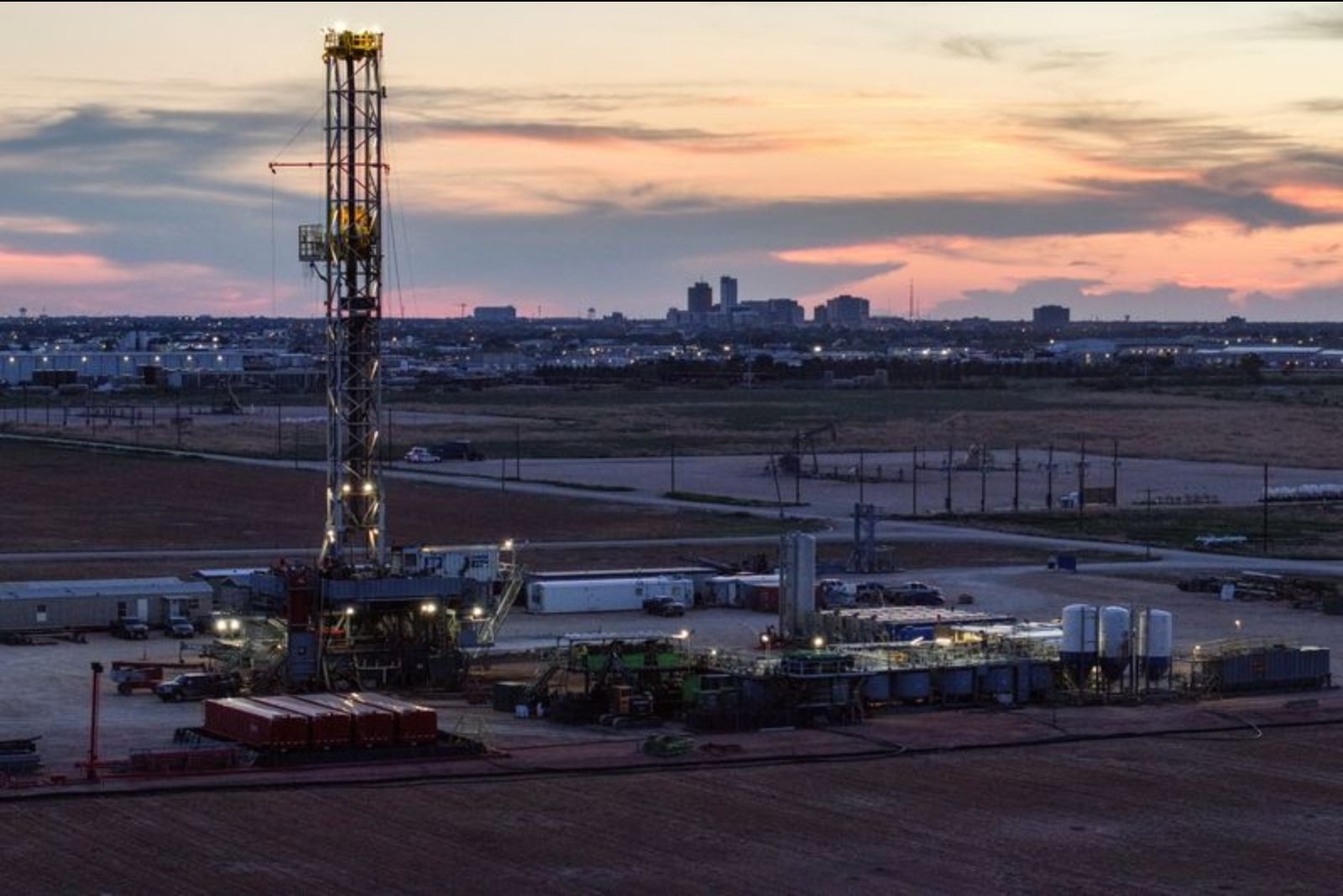
May 13 - EagleRock, a Houston-based company that manages surface rights and collects royalties and fees tied to oil and gas production on land it controls in the Permian Basin, raised $320.1 million in its U.S. initial public offering on Wednesday.
The company sold 17.3 million shares at $18.50 apiece, meeting the mid-point of the previously marketed range of $17 to $20 per share. EagleRock will begin trading on the New York Stock Exchange and NYSE Texas under the symbol "EROK" on Thursday.
EagleRock owns or controls approximately 236,000 acres across the Permian Basin, a region that spans West Texas and southeastern New Mexico and is highlighted in the offering as a high-activity oil and gas province. Rather than producing hydrocarbons itself, EagleRock generates revenue by holding surface rights and collecting royalties and fees from energy companies that operate on its acreage.
Companies including Chevron, Devon Energy, EOG Resources and Exxon Mobil drill on EagleRock-controlled land or hold permits to do so. By structuring its business around surface ownership and royalty capture, EagleRock can benefit from upstream activity without taking on direct production operations.
The IPO comes against a backdrop of higher crude prices, pushed above $100 a barrel in part by ongoing tensions in the Middle East, a dynamic the company and underwriters cited as heightening investor interest in U.S. energy assets. At the same time, market participants see only a tentative rebound in the broader U.S. IPO market, with prolonged geopolitical conflict continuing to introduce instability for new offerings.
EagleRock said it plans to explore ways to expand and diversify revenue streams on its land holdings. Potential alternative uses named by the company include power generation, data centers, renewable energy projects and infrastructure related to carbon capture.
The underwriting syndicate for the offering included Goldman Sachs, Barclays, J.P. Morgan, Piper Sandler and Raymond James.
Context and implications
- EagleRock’s business model emphasizes surface-rights ownership and royalty income rather than direct oil and gas production, positioning the company as a landlord to active operators in the Permian Basin.
- The company’s stated interest in alternative land uses signals an effort to broaden revenue sources beyond traditional hydrocarbon royalties.
- The timing of the IPO reflects investor appetite for energy-linked assets amid elevated crude prices and ongoing geopolitical uncertainty.