
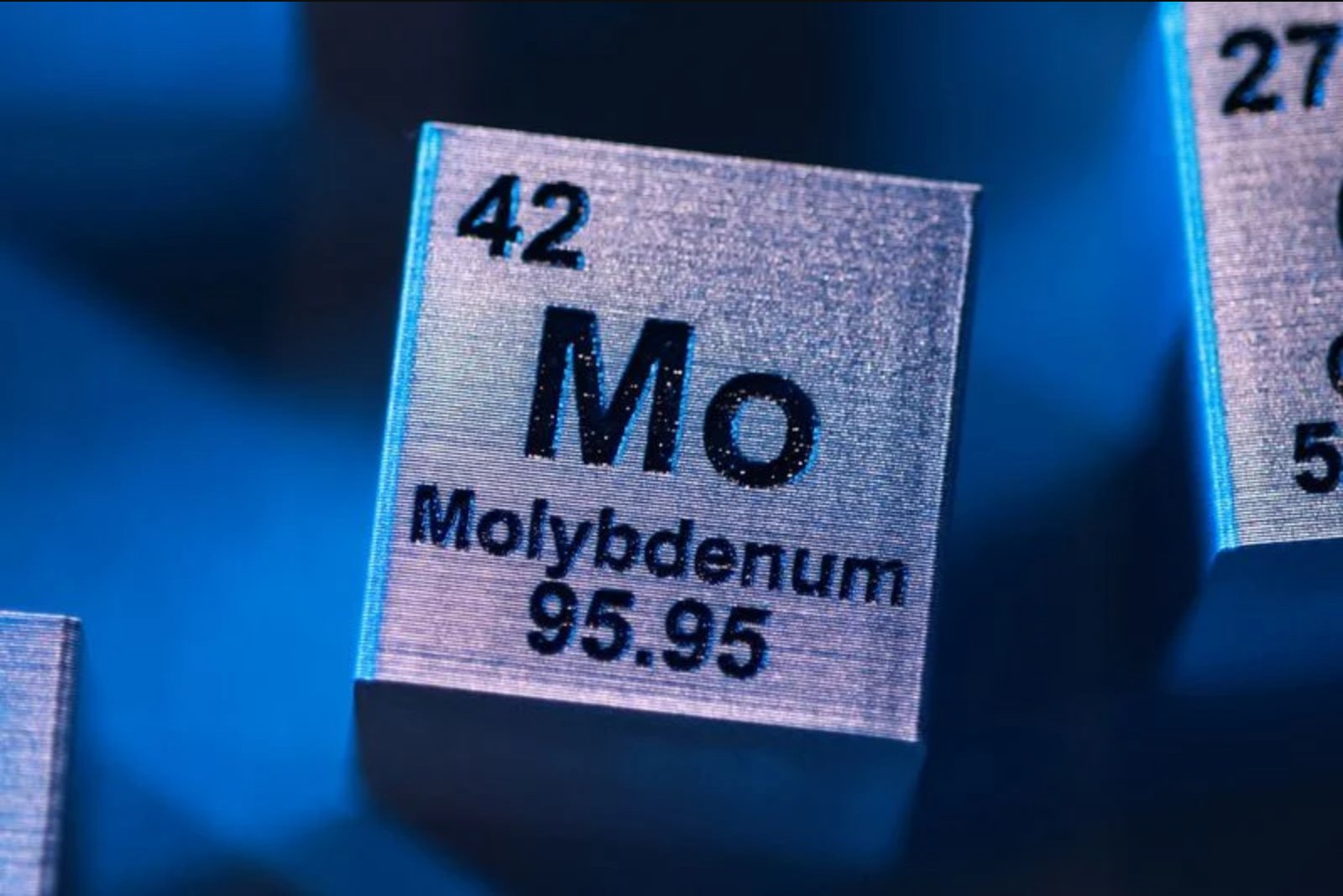
COPENHAGEN, June 29 - Canada has provided C$7 million ($4.93 million) in grants to support a Greenland molybdenum mining project, Greenland Resources said on Monday. The contribution is structured as a non-repayable payment under Natural Resources Canada’s Critical Minerals Research, Development and Demonstration programme, according to the company.
The funding targets the Malmbjerg site, an open-pit operation in east Greenland that hosts molybdenum deposits. Molybdenum is classified as a critical mineral by both the European Union and the United States, and Greenland Resources said Canada is the first G7 government to make a direct investment in mining activities on the island.
Molybdenum is a silvery-white metal principally used to strengthen steel and to enhance resistance to heat and corrosion. Those properties make it important for industrial applications cited by the company, including aerospace, energy and defence, as well as for technologies connected to clean energy.
The company noted that China, which supplies roughly 40% of global molybdenum production, imposed export controls on the metal in early 2025. Those measures have intensified concerns in Western markets about the security of molybdenum supplies.
Greenland Resources also recalled that a past proposal by former U.S. President Donald Trump to take control of Greenland was rejected by Denmark and Greenland’s government, but that the episode spurred heightened Western interest in the island’s mineral potential. Despite Greenland’s abundant natural resources, the development of a domestic mining industry has been slow, the company said, attributing that to bureaucratic hurdles and a historic lack of financing.
The statement included a market data snapshot for Greenland Resources Inc, showing the company’s ticker, MOLY, with a quoted value of 1.39, up 0.04 or 2.96% at close. The release also reiterated the exchange rate cited in the company material: $1 = 1.4194 Canadian dollars.
Greenland Resources framed the Canadian grant as a significant milestone for mining financing in Greenland, and the non-repayable nature of the contribution was highlighted in the company announcement as a notable aspect of the support.
Context and implications
The grant provides targeted state support to a project focused on a metal that regulators in major markets consider critical. By channeling funds through a federal critical minerals programme, Canada is signaling an active role in securing supply chains for materials linked to defence, aerospace and energy. Greenland Resources described the contribution as the first instance of a G7 country investing directly in Greenland mining.
At the same time, Greenland’s broader mining sector faces structural obstacles, according to the company’s comments, including administrative complexity and constrained access to capital that have historically slowed project development across the island.