
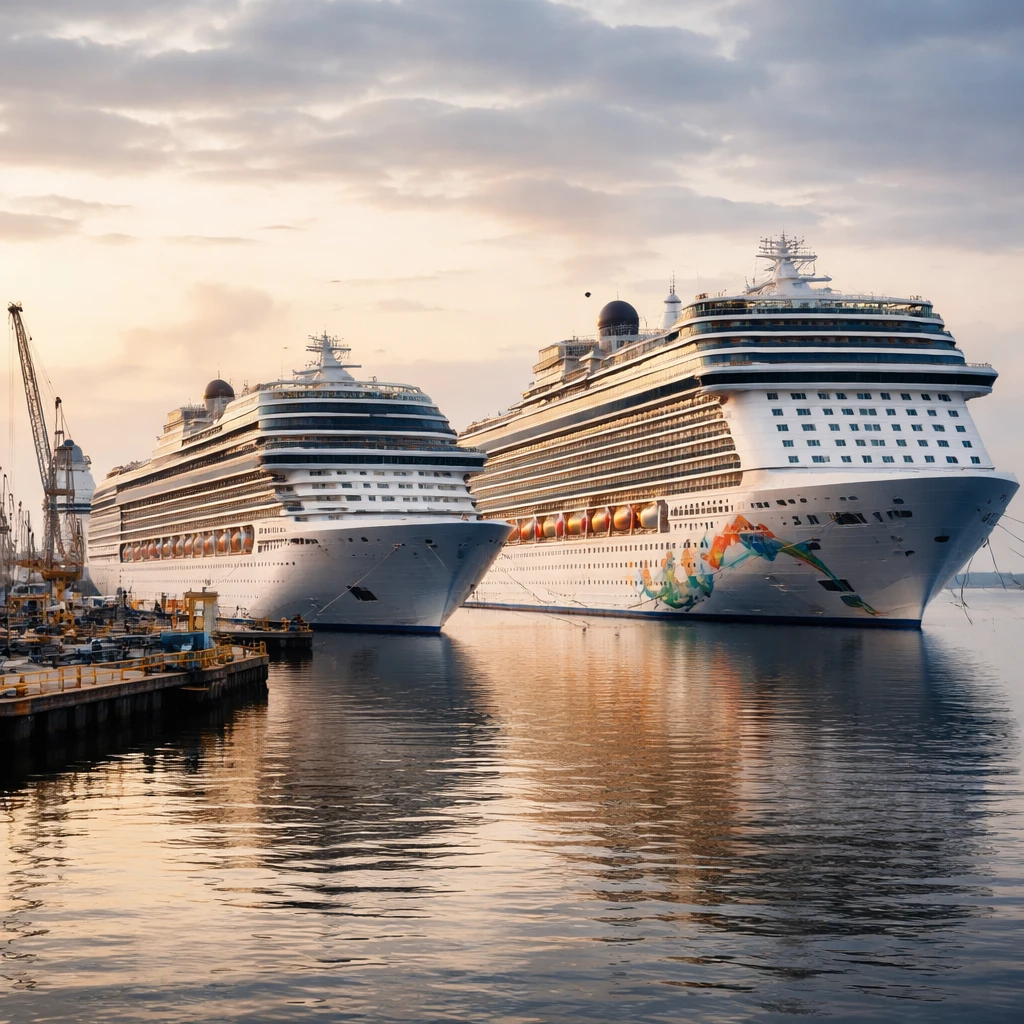
Bernstein this week began research coverage on two leading cruise operators, opening with an Outperform rating and a $120 price target for Viking Holdings and a Market-Perform rating with an $18 target for Norwegian Cruise Line Holdings. The notes, authored by analyst Richard Clarke, completed the firm's refresh of its cruise sector coverage.
Viking emerged as Bernstein's preferred cruise equity. Clarke emphasized several attributes underpinning the positive view: Viking operates as the sole pure-play luxury travel stock in the sector, the firm models a 24% compound annual growth rate in EPS alongside a 46% return on invested capital, and the company benefits from strong forward booking visibility.
"2026 is already sold, 2027 is nearly half sold - it's the kind of order book that would make a luxury goods business jealous," Clarke wrote.
Despite broad sell-side support for Viking, Bernstein argued that the stock's valuation does not yet reflect its outlook. The firm noted Viking is trading below 20x 2027 price-to-earnings, despite Bloomberg-modelled expectations for 25% EPS growth, indicating a gap between fundamentals and market pricing.
By contrast, Bernstein painted a more cautious portrait of Norwegian. Clarke acknowledged persistent structural weaknesses in the company and highlighted sustained high leverage, which the note quantifies at approximately 6x. Those balance-sheet considerations weigh on the firm's view even as it recognizes recent developments that may temper further downside.
"At this stage, we would sell any unwarranted optimism," Clarke wrote.
The analyst cited a recent selloff in Norwegian shares, improving itinerary stability, and the forthcoming opening of the Great Tides water park as factors that could limit additional declines, but he nevertheless left the company at Market-Perform.
Bernstein's research also reiterated a generally constructive take on the cruise sector as a whole. The firm pointed to broadening demand that appears to be outpacing constrained supply and to ongoing product innovation that is supporting pricing power across operators.
Clarke further cautioned that the cruise industry is slow to change direction, an attribute he likened to the vessels themselves. According to the note, that structural inertia means that in the near term winners tend to remain winners while turnaround stories and company-driven improvements can take years to materialize.
"The cruise industry, much like the ships, is slow to turnaround. This means in the near term the winners tend to keep winning and self-help stories take years," Clarke added.