
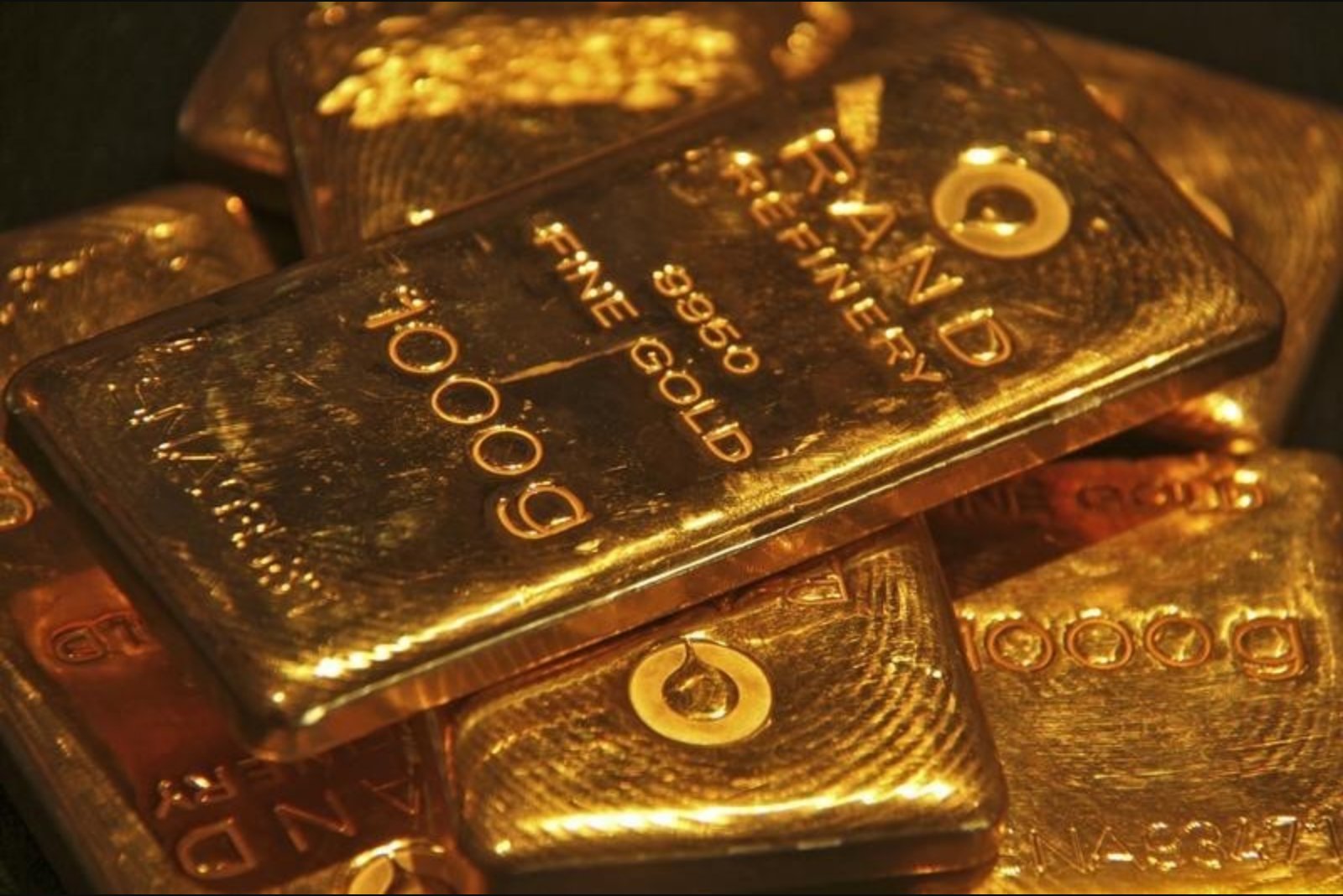
Gold weakened in Asian trading on Friday, pressured by a combination of renewed geopolitical friction in the Middle East and rising expectations for inflation and interest rates that have supported flows into the dollar.
Market moves and prices
By 23:45 ET (03:45 GMT), spot gold had fallen 0.8% to $4,440.84 an ounce, while gold futures were down 0.8% at $4,467.01 per ounce. The metal appeared poised to record a weekly decline as traders awaited U.S. employment data that could offer fresh clues on monetary policy.
Geopolitical drivers
Investors cited deteriorating prospects for a quick resolution between the U.S. and Iran as weighing on sentiment. The two countries exchanged a fresh round of attacks, and reports indicated Tehran had stepped away from negotiations. In addition, Iran-backed Lebanese group Hezbollah rejected a ceasefire with Israel even as fighting continued in southern Lebanon. Tehran had earlier described a ceasefire in Lebanon as a prerequisite for any broader agreement.
Those developments suggested limited progress toward a peace deal and the likelihood of an extended U.S.-Iran confrontation. Market participants noted that a prolonged conflict would tend to support oil prices and inflation, which in turn could prompt more hawkish actions from global central banks, including the Federal Reserve.
Interest rates and gold's appeal
Elevated inflation expectations and the prospect of higher interest rates have weighed on gold - a non-yielding asset - since the onset of the U.S.-Israel war on Iran in late-February. Higher yields reduce the opportunity cost of holding assets that do not pay interest, diminishing gold's relative attraction.
Other precious metals
Other precious metals also moved lower on Friday and were tracking weekly declines. Spot silver dropped 1.7% to $72.6320 per ounce and was down 3.5% on the week. Spot platinum fell 0.9% to $1,880.76 per ounce and was down 0.9% for the week.
Focus on U.S. payrolls
Attention in markets was concentrated on the U.S. nonfarm payrolls report for May, due later on Friday. The print is widely expected to show further cooling in U.S. jobs growth amid persistent headwinds from the Iran war and broader signs of slowing economic expansion.
Employment and inflation are the Federal Reserve's primary inputs when deciding how to set interest rates. There is growing conviction among market participants that the central bank may need to keep rates higher for longer in the face of inflationary pressures attributed to the Iran conflict. A strong payrolls reading could provide the Fed more room to maintain current rates or even consider hikes later in the year. The payrolls series has surprised to the upside in four of the past six months.
Conclusion
Short-term direction for gold will likely hinge on two factors: further developments in Middle East tensions that could reinforce inflationary pressures, and the upcoming U.S. labor report that will inform expectations about the Federal Reserve's policy stance.