
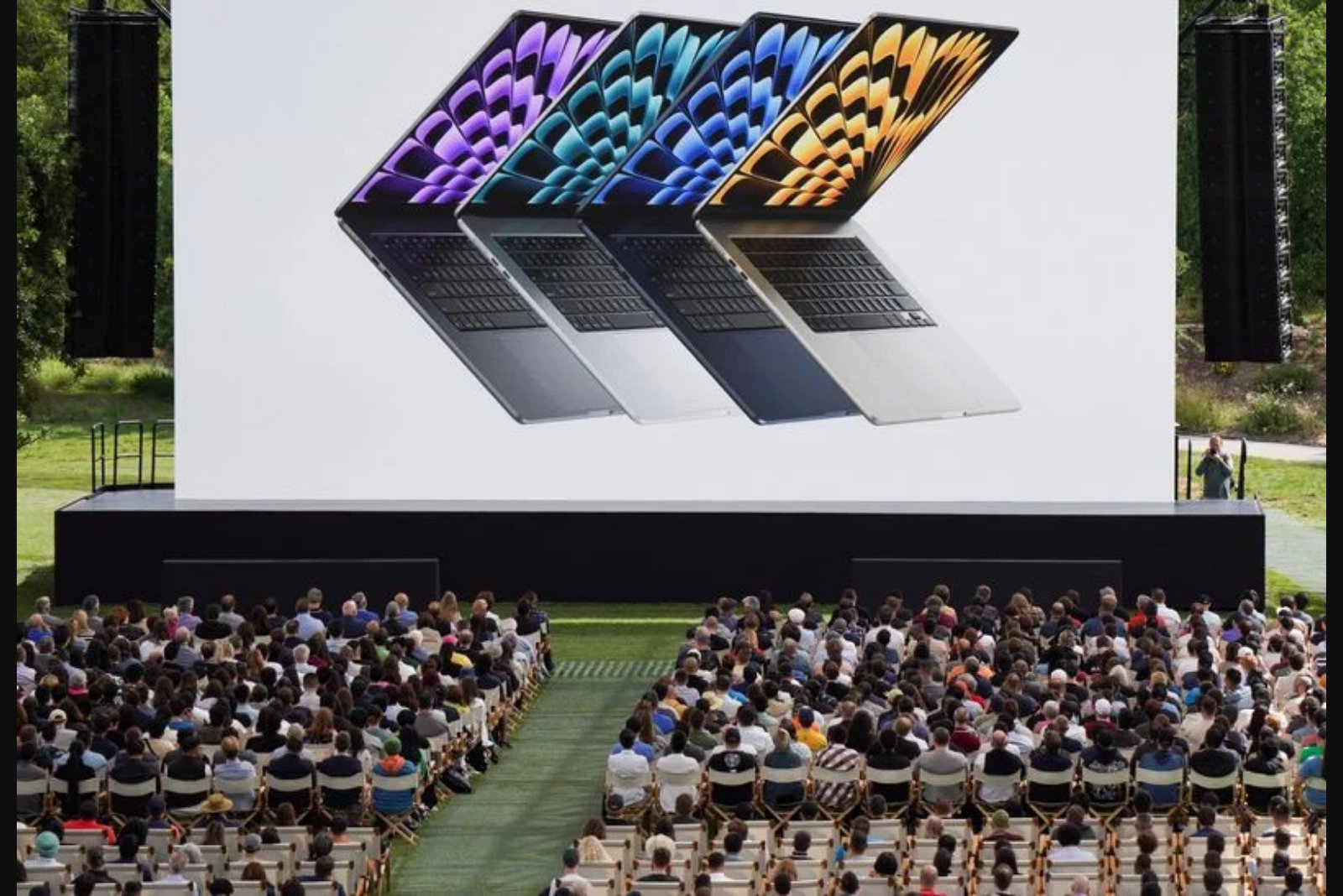
Apple has raised prices on a range of iPad and MacBook models, saying it can no longer fully absorb escalating memory and storage chip costs tied to the rapid buildout of AI datacenters. The company made the changes public on Thursday, noting the spike in component prices has reached a point where some product prices must be increased.
Among the most notable changes is the MacBook Neo, Apple’s lowest-priced laptop designed to compete with affordable Windows laptops and Chromebooks. The starting price for the Neo has risen from $599 to $699, only months after the model’s launch. Apple said the move reflects a broader shift in costs that the company has been shielding customers from until now.
Updated pricing on Apple’s website showed the MacBook Air with 512 gigabytes of storage now listed at $1,299, up from $1,099. The MacBook Pro with 1 terabyte of storage was increased to $1,999 from $1,699. On the tablet side, the iPad Air with 128 gigabytes of storage rose to $749 from $599, among other adjustments. Apple also raised prices for both versions of its HomePod smart speaker and for its Apple TV set-top box.
Apple provided a direct explanation in a statement: "We have never seen a component price increase this much, this quickly," the company said. "We have shielded our customers from these increases so far, but we have now reached a point where we need to begin raising prices on a number of products, including today's increases for iPad and Mac." The company added, "We know this is not welcome news, and we are working tirelessly to find solutions."
Market reaction was modestly negative in early trading, with Apple shares down about 0.7% in premarket activity after the announcement.
Apple also emphasized in previous commentary that rising memory costs would exert pressure on profitability. In April, the company said existing inventories had helped keep gross margins above Wall Street expectations, but that the impact of higher memory costs would materialize by the end of the month and slightly reduce profitability. CEO Tim Cook told analysts on a conference call in late April, "We expect significantly higher memory costs," and cautioned that "beyond the June quarter, we believe memory costs will drive an increasing impact on our business."
The underlying industry dynamic centers on a dramatic run-up in prices for dynamic random access memory, or DRAM, which is used across modern devices. Industry tracker TrendForce reported DRAM prices rose as much as 98% in the first quarter of 2026 and projected another jump of 58% to 63% in the current quarter. That surge has been attributed to a boom in AI datacenter construction, where AI chipmakers have prioritized supply.
Memory manufacturers have been leaning into long-term commitments from AI customers. Micron, for example, said it has secured $22 billion in long-term commitments from customers seeking to lock in memory supplies. The prioritization of orders for AI applications has allowed memory makers to garner strong profits, but it has also reduced available supply for consumer electronics manufacturers, contributing to higher component prices for devices such as smartphones, tablets and laptops.
Analysts and industry observers have linked the memory cost surge to weakening demand expectations across device markets. Research firm IDC projected the smartphone market could experience its largest-ever annual decline of nearly 14% in 2026, while the PC market was forecast to fall 11.3% for the year. Ben Bajarin, CEO of consulting firm Creative Strategies, characterized the memory environment as "tough and remains structurally tough for the foreseeable future," and suggested there had already been signals Apple would need to raise prices.
Apple has not disclosed detailed measures beyond the price increases to mitigate the impact of higher memory costs. The company noted it is actively seeking solutions without providing further specificity.
The MacBook Neo, launched in March, had been a strong contributor to Apple’s optimistic sales forecast for the June quarter. The lower entry price helped position the Neo as a value-oriented option, but with the $100 price increase it has lost its price advantage over competing models. The Neo now stands on par with the $699 XPS 13 laptop Dell introduced last month, a model positioned to compete directly with Apple’s offering, and the new price makes Apple’s Neo more expensive than certain Chromebooks from manufacturers such as Lenovo and Asus.
Supply chain dynamics that favor AI workloads over consumer-device demand have created a mismatch in memory allocation, in turn pressuring device makers to pass some costs to customers. Apple’s move to raise prices on selected iPad and Mac models underscores how component markets tied to AI investment are reshaping pricing and profitability for broader consumer electronics categories.
Summary
Apple raised prices on multiple iPad and MacBook models because of sharply higher memory and storage chip costs driven by AI datacenter demand. The company said it had absorbed rising component costs up to now but could no longer continue to do so. The increases include a $100 hike to the starting price of the MacBook Neo and higher prices for MacBook Air, MacBook Pro, iPad Air, HomePod and Apple TV configurations.
Key points
- Apple increased prices on targeted iPad and MacBook models as DRAM and storage costs surged due to AI datacenter demand.
- The MacBook Neo's entry price rose from $599 to $699, eliminating its $100 advantage over a competing Dell XPS 13 and making it pricier than some Chromebooks.
- Sectors affected include consumer electronics, PC and tablet markets, and the semiconductor memory sector that supplies DRAM and storage chips.
Risks and uncertainties
- Continued memory price increases could further erode device demand and pressure consumer electronics sales volumes, particularly in smartphones and PCs.
- Ongoing prioritization of memory supply for AI datacenter customers may limit availability for device manufacturers, sustaining higher component costs.
- Apple has not disclosed additional mitigation steps beyond price increases, leaving uncertainty about how it will manage longer-term margin pressure if memory costs remain elevated.