
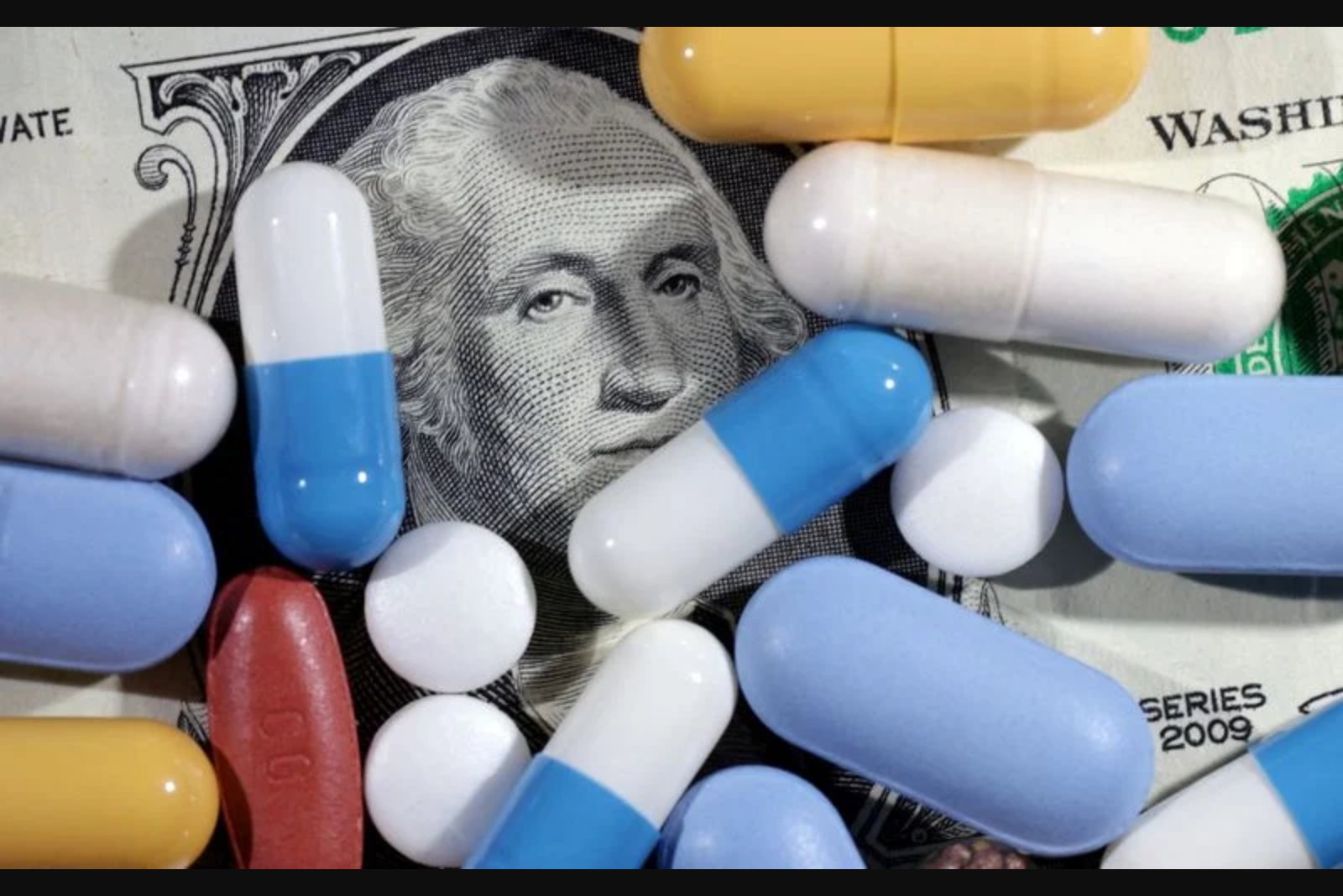
Vertex Pharmaceuticals' proposed purchase of Crinetics Pharmaceuticals for about $10 billion, announced July 7, extends Vertex's reach from blood disorders and pain into rare endocrine and hormonal diseases. That transaction is the most recent in a wave of large-scale deals by U.S. pharmaceutical and biotech companies over the past decade that target promising programs across multiple therapeutic areas.
Below is a year-by-year compilation of major deals involving U.S.-based acquirers and biotech or pharmaceutical targets, presented with the value and the transaction rationale as reported.
2026
- Vertex Pharmaceuticals - Crinetics Pharmaceuticals - About $10 billion - To expand its portfolio in rare hormonal diseases.
- Merck KGaA - Bio-Tech - $11.3 billion - To expand its presence in the life sciences market with access to research and bioprocessing tools.
- AbbVie - Apogee Therapeutics - $10.9 billion - To expand immunology pipeline.
- GSK - Nuvalent - $10.6 billion - To expand late-stage cancer drug pipeline.
- Boston Scientific - Penumbra - $14.5 billion - To expand vascular pipeline.
2025
- Abbott (N:ABT) - Exact Sciences - up to $23 billion - To gain access to Exact Sciences' cancer tests, including flagship colorectal cancer test Cologuard.
- Merck - Cidara Therapeutics - $9.2 billion - To gain access to Cidara’s experimental drug for flu prevention.
- Pfizer - Metsera - $10 billion - To gain a foothold in the fast-growing obesity treatment market.
- Merck & Co - Verona Pharma - About $10 billion - Strengthens Merck’s respiratory portfolio amid looming Keytruda patent cliff.
- Johnson & Johnson - Intra-Cellular Therapies - $14.6 billion - Expands J&J’s footprint in brain disease treatments.
2024
- Novo Holdings - Catalent - $16.5 billion - Boosts manufacturing (including g debt).
- Novo Nordisk - $11.5 billion - Nordisk’s popular obesity drug Wegovy (excluding g debt).
2023
- Merck & Co - Prometheus Biosciences - $10.8 billion - Adds experimental treatment for ulcerative colitis and Crohn’s disease and builds up presence in immunology.
- Bristol Myers Squibb - Karuna Therapeutics - $14 billion - BMY gains a promising antipsychotic medicine as patents on its older therapies near their expiry.
- Pfizer - Seagen - $43 billion - Builds Pfizer’s cancer portfolio amid decline in sales for COVID-related products and generic competition.
2022
- Amgen - Horizon Therapeutics - $27.8 billion - Buyout strengthens rare diseases portfolio; largest deal in the sector in 2022.
- Pfizer - Biohaven Pharmaceutical Holding - $11.6 billion - Pfizer bets big on a new class of migraine drugs.
2021
- Merck & Co - Acceleron Pharma - About $11.5 billion - Diversifies Merck’s portfolio beyond cancer.
- Ginkgo Bioworks - Soaring Eagle Acquisition Corp - $17.5 billion - Ginkgo goes public through a merger with a blank-check vehicle.
2020
- AstraZeneca - Alexion Pharmaceuticals - $39 billion - AstraZeneca’s largest-ever deal to diversify away from its cancer business, betting on rare-disease and immunology drugs.
- Bristol Myers Squibb - MyoKardia - About $13 billion - Bolsters Bristol’s portfolio of heart disease treatments.
- Gilead Sciences - Immunomedics - $21 billion - Strengthens Gilead’s cancer portfolio.
2019
- Mylan - Pfizer’s Upjohn business - About $12 billion - Mylan’s acquisition of Pfizer’s Upjohn business was structured as a stock-based merger, resulting in the formation of Viatris; Upjohn was essentially spun off to Pfizer shareholders and then merged with Mylan.
- AbbVie - Allergan - $63 billion - AbbVie gains control of Botox and diversifies beyond Humira (including g debt).
- Pfizer - Array Biopharma - $11.4 billion - Pfizer gains oncology asset.
- Bristol Myers Squibb - Celgene Corp - $74 billion - One of the largest pharmaceutical mergers in history.
2017
- Johnson & Johnson - Actelion - $30 billion - Johnson’s subsidiary, Janssen Holding, acquires Actelion; Actelion’s R&D unit spun off into Idorsia.
- Gilead Sciences - Kite Pharma - $11.9 billion - Strengthens Gilead’s position in cell therapy, particularly CAR-T treatments for cancer.
2016
- Pfizer - Medivation - $14 billion - Pfizer acquires blockbuster prostate cancer drug Xtandi.
2015
- Shire - Baxalta - $32 billion - Catapults Shire to a leading position in treating rare diseases.
- AbbVie - Pharmacyclics - $21 billion - AbbVie gets access to what is expected to be one of the world’s top-selling cancer drugs and expands its oncology reach.
- Valeant Pharmaceuticals (now Bausch Health) - Salix Pharmaceuticals - $14.5 billion - Makes Valeant a leader in gastrointestinal drugs.
- Pfizer - Hospira - $15 billion - Deal creates a leading global established pharmaceutical business for Pfizer.
The list above reflects the major, high-value transactions involving U.S. acquirers and a variety of biotech and pharmaceutical targets, as reported. Collectively, these deals show continued appetite from large drugmakers to acquire late-stage assets, expand into new therapeutic areas, secure diagnostics and testing capabilities, and strengthen manufacturing and rare disease portfolios.
Summary
The acquisition of Crinetics by Vertex follows a decade-long pattern of multi-billion-dollar transactions by U.S. drugmakers. Targets have ranged from diagnostics firms to developers of oncology, neurology, immunology, obesity and rare-disease treatments. Several purchases were positioned to broaden pipeline diversity or to shore up manufacturing and testing capacity.
Key points
- Major acquirers have repeatedly paid multi-billion-dollar premiums to gain late-stage assets and new therapeutic capabilities.
- Transactions span a wide set of therapeutic areas, including oncology, immunology, rare diseases, neurology, obesity and diagnostics.
- The deals can affect related sectors such as medical diagnostics, bioprocessing and specialty manufacturing.
Risks and uncertainties
- Patent expirations and patent cliffs are cited in transaction rationale - for example, acquisitions described as strengthening respiratory or oncology portfolios were made amid concerns about future patent losses.
- Some deals were framed in the context of declining sales for specific product lines, such as COVID-related products, and increased generic competition.
- Certain transactions reference debt or financial structuring (parenthetical notes in reported descriptions), indicating potential balance-sheet and financing considerations for acquirers.
Note: Where the reported transaction descriptions contained abbreviated or parenthetical fragments, the wording above preserves those elements as presented in the compiled report rather than expanding on incomplete phrases.