
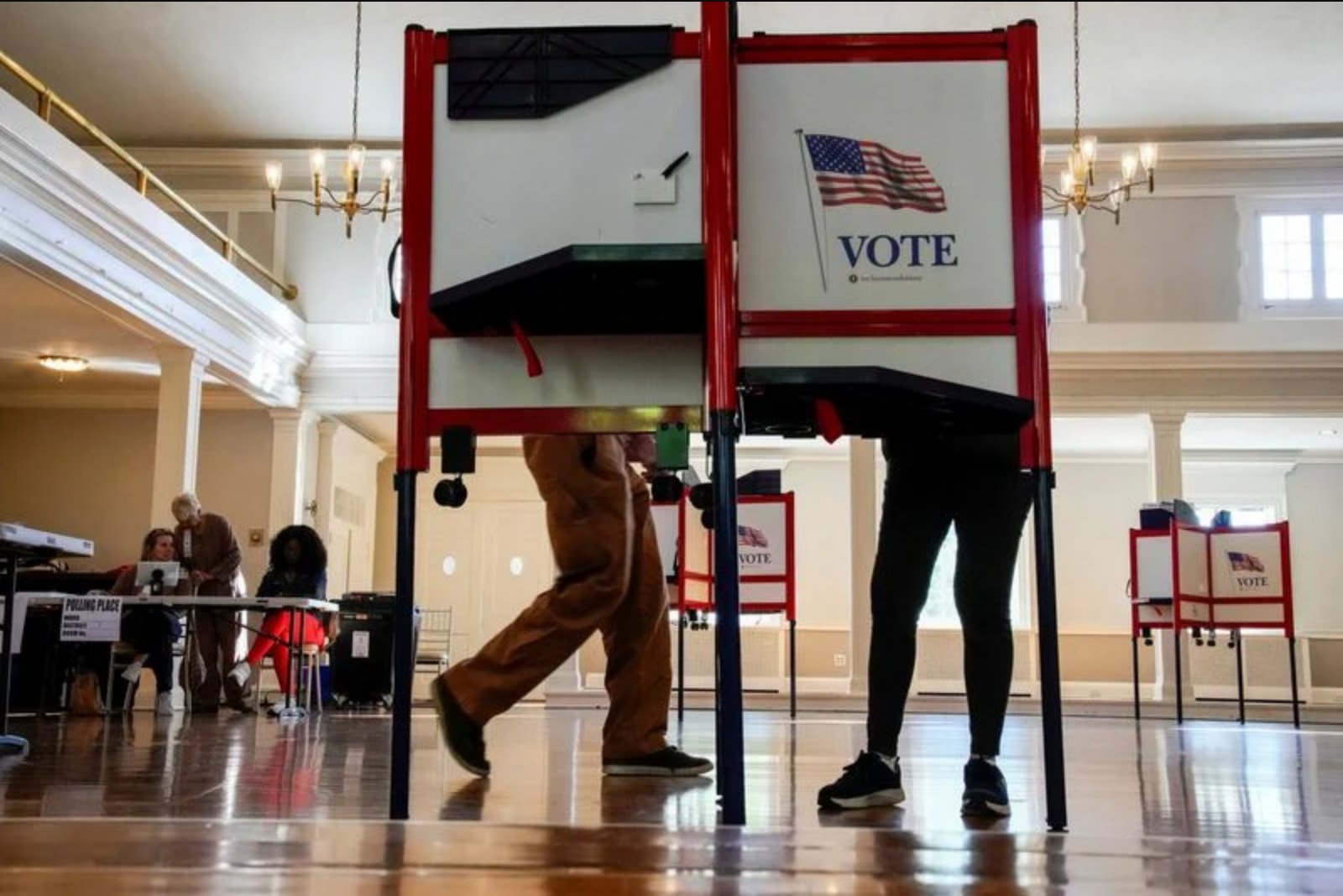
The U.S. government has produced an intelligence assessment that catalogs what officials describe as significant vulnerabilities in the voting machines used in American elections, yet the White House has delayed releasing that analysis as the November midterm elections approach.
Produced by the Office of the Director of National Intelligence, the report identifies areas where voting equipment could be strengthened - for example by updating software - but does not assert that the vulnerabilities have resulted in votes being flipped, according to three sources familiar with the matter. The document examines gaps in how machines are used in U.S. elections and highlights risks tied to outdated software and hardware that can be connected to networks.
Inside the administration, views diverged over the timing and effects of publishing the report. Some White House officials argued that public release could erode voter confidence, particularly among Republican voters. Other officials felt the assessment stopped short of backing former President Donald Trump’s false claims that the 2020 presidential election was rigged, leaving them unconvinced of its usefulness to those seeking proof of fraud, the sources said.
Some Democrats, speaking privately, expressed concern that the probe led by ODNI Director Tulsi Gabbard could be used by the administration to press states toward adopting paper ballots. The question of paper ballots was raised internally even as multiple court cases filed by Trump’s lawyers were unable to substantiate claims of widespread fraud in the 2020 race.
The three people who described the internal deliberations spoke on the condition of anonymity to discuss sensitive discussions within the administration. They said the report draws on a combination of open-source and classified intelligence and would be the first document to lay out the administration’s analysis of voting-machine vulnerabilities.
Tulsi Gabbard, who initiated the investigation of voting equipment and sought evidence that would support Trump’s false election fraud claims, is scheduled to step down as director of national intelligence on Friday. Bill Pulte, a federal housing regulator, will step in as interim ODNI director. President Trump has said he wants Pulte to look into what he has called "rigged elections" while at ODNI. Sources said it is not yet clear what Pulte intends to do with the unreleased report; two sources said he has been briefed on the agency’s efforts, including the study.
Democrats and some analysts have warned of the potential for the administration to intercede in the conduct of the midterm elections, an election cycle analysts expect could produce losses for the Republican Party. Officials within ODNI and experts advising the agency had urged, in meetings late last year, that remediation work begin promptly so that the extensive coordination required with states could be completed in time for the midterms.
When asked about the delay in releasing the ODNI assessment, White House spokesperson Davis Ingle issued a statement saying the administration "continues to offer assistance to state and local election officials, including through the FBI and CISA, to ensure the security and integrity of all machines used in American elections." CISA refers to the Cybersecurity and Infrastructure Security Agency.
An ODNI spokesperson, Olivia Coleman, defended Gabbard’s actions, saying the director "has taken actions within her authorities to support the President’s directive to secure our elections - which includes identifying vulnerabilities in our critical infrastructure." Pulte did not respond to a request for comment.
Several of the vulnerabilities outlined in the ODNI report were already familiar to previous administrations, one former senior Biden administration official and two other sources said. They include voting systems operating on outdated software and machines having the technical ability to connect to the internet or other networks in ways that could be exploited.
All of the sources said they were not aware of evidence showing that votes had been manipulated in U.S. elections.
The report is part of a broader push by the administration to investigate potential fraud following an executive order signed by President Trump in February 2025 that seeks to expand federal influence over the administration of elections. That effort has run up against constitutional principles reserving the conduct of elections to the states. Senior officials at the FBI and the Department of Justice have publicly discussed their own probes into possible voter fraud across the country.
ODNI commissioned two reports on voting-machine vulnerabilities. The unpublished study from this year, described above, is one. The other, completed last year by a government contractor named Mojave Research, examined voting machines seized from Puerto Rico and also remains unpublished. Both of those assessments have been referenced in White House meetings where officials debated whether the evidence presented was sufficient to substantiate claims that the 2020 election was stolen.
Two sources familiar with the Mojave report said that study did not find evidence that the machines it examined had been hacked. OdNI and the White House have likewise not published the Mojave report, and Mojave’s contract was terminated in October. The contractor’s analysis identified software and coding weaknesses and recommended an emergency remediation plan that would compel states to update their software immediately. Two sources said that recommendation has not been implemented.
According to the people briefed on the assessment, ODNI has been sharing its findings with the White House over the past six months but has never received formal authorization to publish them. The report incorporated information from earlier CISA reports that referenced demonstrations at hacking conferences where researchers showed how insecure hardware interfaces on some voting machines could be abused.
CISA has stated publicly that it found no evidence of foreign adversary interference in the 2020 presidential election, and the agency joined other federal, state and local officials in declaring that election "the most secure in American history."
This evolving dispute places election infrastructure questions at the center of an administration that is divided over the political as well as practical consequences of disclosure. The path forward - whether the report will be published, whether emergency remediation will be pursued, and how the incoming interim ODNI leader will handle both the document and broader investigative steps - remained uncertain as officials balanced technical findings against political reactions in a highly charged environment.