
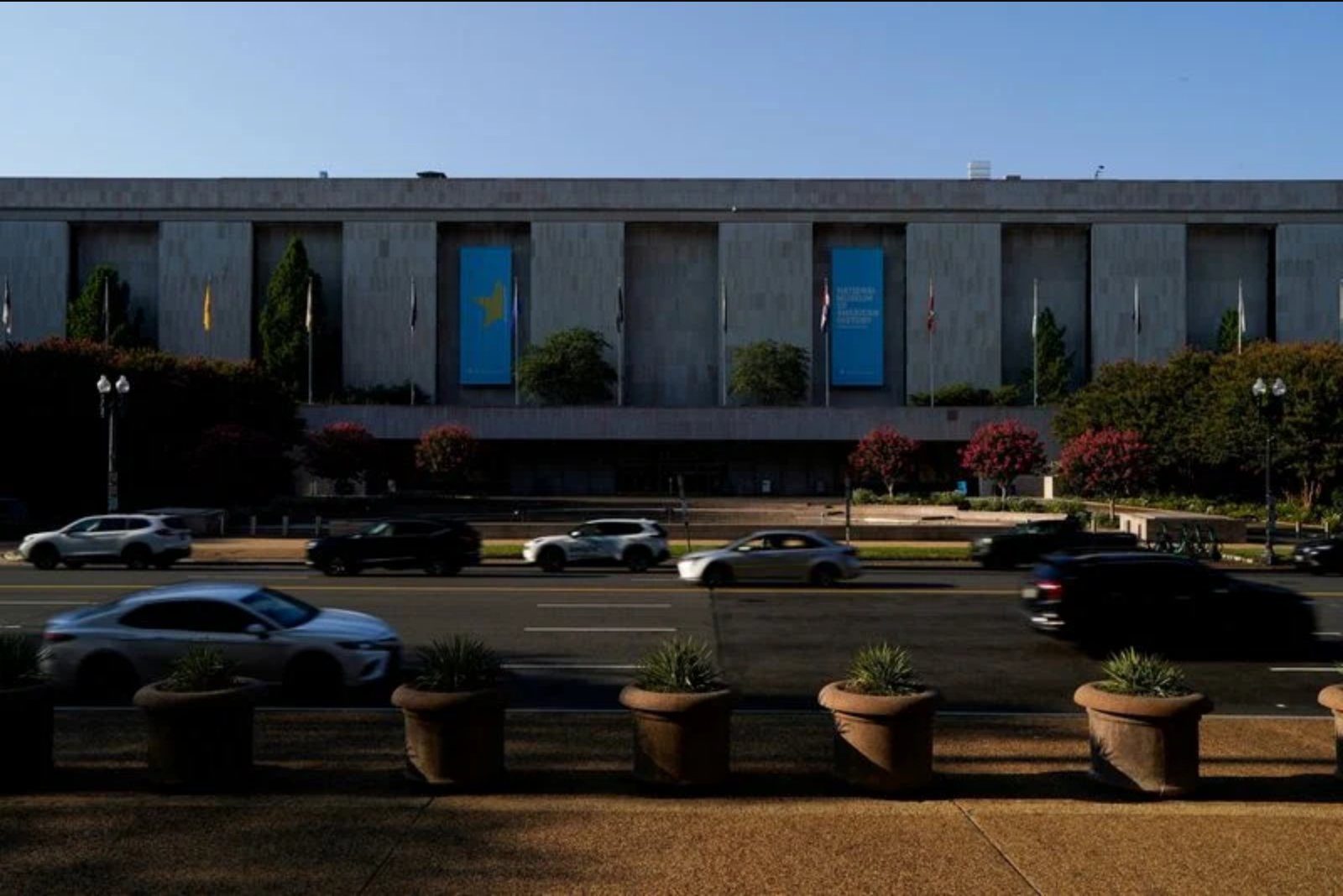
Smithsonian Institution Secretary Lonnie Bunch has pushed back against a recent White House report that alleges the National Museum of American History has been taken over by partisan viewpoints and what the report described as "thinly veiled anti-Americanism" and "extreme political activism." In a memo to staff on Tuesday, Bunch said the paper did not fairly represent the museum’s work in its entirety and signaled continued review of the report and its findings.
The memo was confirmed to Reuters by the institution on Wednesday and was first reported earlier in the day by the Washington Post. The White House document, produced by the Domestic Policy Council, carries the title "SAVING AMERICA’S STORY: How Ideological Capture at the Smithsonian Institution’s National Museum of American History Erases Our Heritage."
Earlier this week the Organization of American Historians, the nation’s largest professional group of U.S. history scholars, publicly rejected the conclusions laid out in the 162-page report. In its response, the organization said the White House appeared to be attempting to coerce Smithsonian leadership to alter how U.S. history is presented so it aligns with the administration’s political objectives. The group framed the report as part of what it called an ongoing assault against accurate, evidence-based history in public life.
The White House report contends that museum leadership broadly views the United States as "a fundamentally oppressive nation" since first contact, and that this outlook has driven the museum toward what the report calls "extreme political activism." The report states, "The thinly veiled anti-Americanism on display at NMAH is merely a symptom of the widespread belief among Smithsonian leadership that America is, and has been since Columbus first set foot in the New World, a fundamentally oppressive nation."
Opponents of the White House critique warn that actions taken by the administration have already affected how cultural institutions present history. The administration has focused on reshaping museums, monuments and national parks in the name of removing "anti-American" ideology. Those changes have included the dismantling of slavery exhibits and the restoration of Confederate statues, moves that civil rights advocates argue could roll back decades of social progress and hinder recognition of key periods and themes in American history.
Last year, the president signed an executive order specifically targeting the Smithsonian and calling for the removal of what the order labeled "anti-American ideology" from the museum complex. The White House also launched an internal review of some Smithsonian museums, and the president indicated the institution would be subject to scrutiny similar to that applied to universities whose funding had come under threat for policies that drew administration criticism.
The Smithsonian, now roughly 180 years old, is composed of 21 museums and galleries as well as the National Zoo. The institution receives most of its budget from the U.S. Congress, yet it retains independence in decision-making regarding exhibitions and research.
What Bunch said: In the staff memo, Bunch acknowledged there is always room for improvement but said the White House report was not a fair representation of the museum’s work and totality. He added that the Smithsonian would continue to review the report and its findings carefully.
What critics said: The Organization of American Historians labeled the report an example of executive branch overreach, asserting that the administration is seeking to coerce how the Smithsonian presents U.S. history for political ends.
The dispute between the Smithsonian and the White House highlights tensions over how national history should be presented and who gets to shape that narrative. The outcome of the review and any subsequent changes could influence how the institution frames its collections and exhibitions going forward.