
A bill cleared by the U.S. House of Representatives last week that would make daylight saving time permanent is likely to encounter a hard-fought contest in the Senate, a U.S. senator said on Monday.
Speaking on the sidelines of the Farnborough air show on July 20, Senator John Kennedy, a Republican, said President Donald Trump had recently called to ask for his backing of legislation that would end the twice-yearly practice of advancing and retreating clocks that has been standard across most of the United States since the 1960s.
Kennedy said he agreed to the president's request but cautioned that support in the upper chamber is far from assured. "It’s going to be a dog fight," he told reporters.
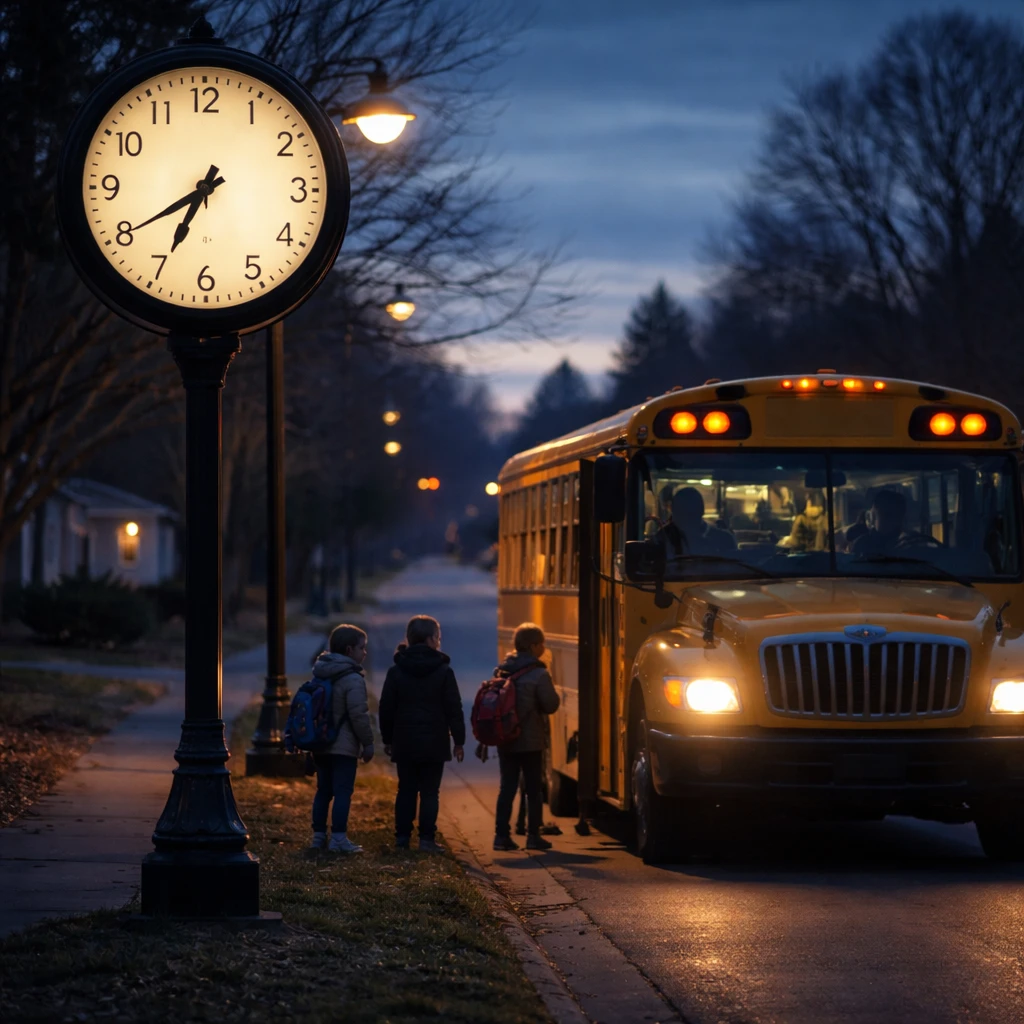
Senator Jeanne Shaheen, a New Hampshire Democrat who is part of a U.S. delegation attending the Farnborough event, said she has mixed views on the change. "I feel it every time we change the clocks," she said, adding that a shift to year-round daylight saving time would result in "putting kids on the bus in the elementary school when it’s still dark in the morning. I appreciate the safety concerns."
Last week, Senate Majority Leader John Thune said it was unclear whether the daylight saving measure could win the 60 votes needed to pass the Senate.
Under the text of the bill, if it were to become law, clocks would not revert to standard time in November. The legislation would still allow states to opt out of year-round daylight saving time if they do not currently observe daylight saving time.
Supporters of the proposal say the practice of changing clocks twice a year disrupts sleep, raises the risk of workplace injuries and contributes to more road accidents. They also argue that keeping clocks an hour ahead throughout the year would provide additional evening daylight and could increase economic activity during the winter months.
Opponents point to the trade-offs created by later sunrises in winter. They note the change would shift morning light later, meaning more children traveling to school, commuters, construction workers, farmers and other early-morning workers would be on the road or at job sites before daylight. In some areas, critics say the sun would not rise until nearly 9 a.m. or later at the height of winter.
The United States has previously experimented with year-round daylight saving time. The practice was implemented during World War Two and was enacted again in 1974 with the aim of reducing energy use, but it proved unpopular and Congress repealed it later that year.
For now, the bill’s passage in the House leaves its fate in the Senate uncertain. Lawmakers and stakeholders remain sharply divided over the safety, scheduling and economic considerations the proposal raises.