
Economy June 24, 2026 08:45 AM

Russia enacts tax amendments to ease fuel shortages after refinery attacks

New measures loosen fuel quality rules, add import subsidies and postpone refinery upgrades to bolster supply

By Hana Yamamoto
Share
Twitter Reddit Facebook LinkedIn

Russia's parliament approved changes to the tax code on Wednesday aimed at addressing widespread gasoline and diesel shortages that have followed Ukrainian drone strikes on oil refineries. The amendments authorize blending lower-quality fuel with straight-run gasoline, create subsidies for fuel imports tied to Indian delivery costs and prices, and allow some refinery equipment upgrades to be deferred while retaining selected tax benefits. Officials say the steps are designed to increase motor fuel availability and stabilize prices; authorities have also weighed further export restrictions on diesel while gasoline and jet fuel exports are already banned.

Russia enacts tax amendments to ease fuel shortages after refinery attacks
Summarize with
ChatGPT Perplexity Claude Grok Gemini

Key Points

  • Parliament approved tax code amendments to tackle gasoline and diesel shortages caused by Ukrainian drone strikes on oil refineries.
  • Measures include subsidies for fuel imports based on Indian delivery costs and prices and permission to blend lower-quality fuel with straight-run gasoline.
  • Refinery equipment upgrades can be postponed under the changes while some tax benefits are maintained; officials say the goal is to increase supply and stabilise prices.

Russia's parliament approved a package of tax code changes on Wednesday that officials say are intended to relieve shortages of motor fuel that have hit multiple regions in recent weeks following Ukrainian drone attacks on oil refineries.

The amendments, published on the parliament's website, include provisions to support imports by introducing subsidies on fuel shipments calculated using Indian delivery costs and prices. Lawmakers also cleared measures that permit the use of lower-quality fuel in blending straight-run gasoline with other components, widening the permissible inputs for gasoline production.

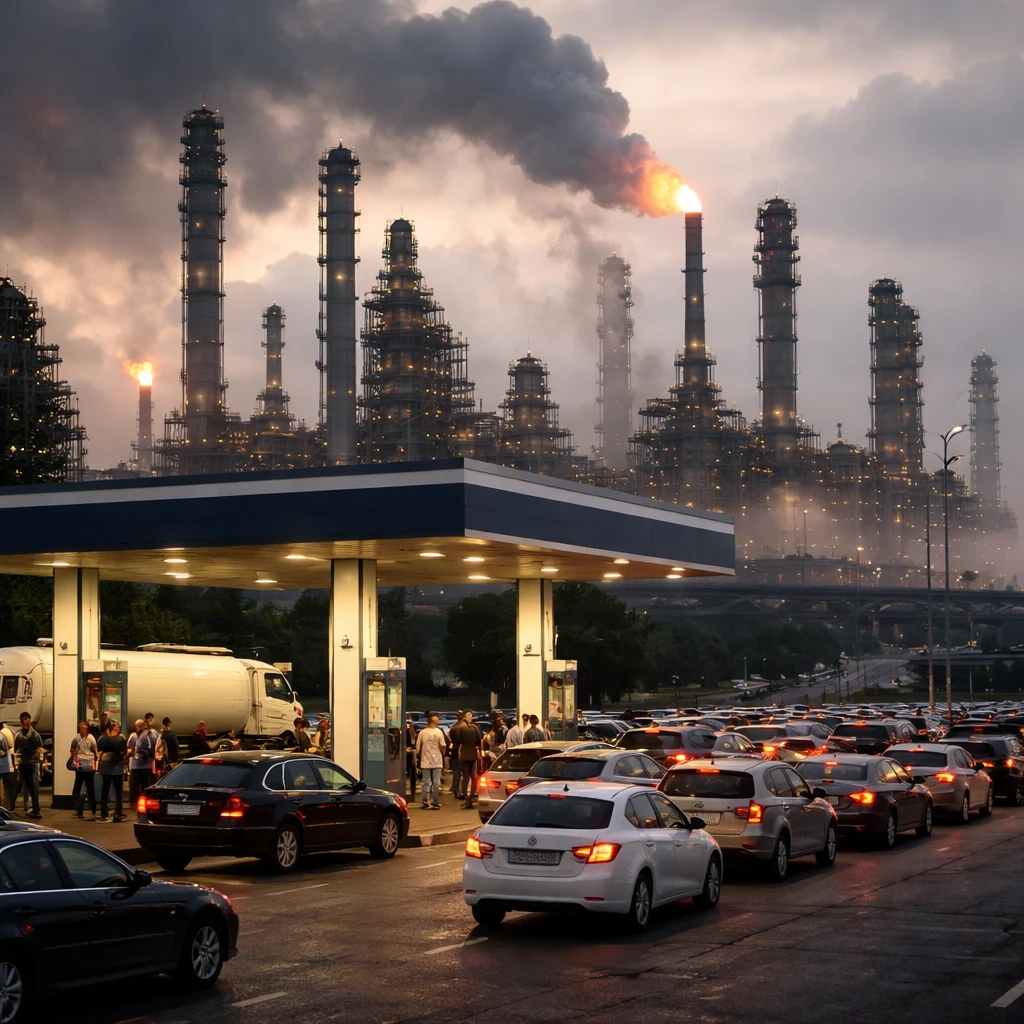
Shortages of gasoline and diesel have been reported across Russian regions, producing higher pump prices and long queues at filling stations. The revised tax rules are part of a broader response by authorities aimed at boosting both domestic output and imported volumes of motor fuel.

Deputy Finance Minister Alexei Sazanov addressed lawmakers on the intent behind the legislation, saying: "This is a very important law. It is aimed at stabilising the situation on the domestic market and increasing the supply of motor fuel, both through domestic production and imports," and added, "Ultimately, saturating the market with motor fuel will lead to price stability."

Alongside the blending and import-subsidy measures, the amendments allow certain refinery equipment upgrades to be postponed while preserving some existing tax benefits for the sector. The law therefore offers regulatory flexibility intended to maintain fuel flows without immediately forcing capital-intensive investments.

Separately, Deputy Prime Minister Alexander Novak said on Tuesday that the government has considered imposing a ban on diesel exports. Russia has already enacted bans on exports of gasoline and jet fuel, tightening external flows as domestic supply concerns mount.

The parliamentary changes reflect a multi-pronged approach: expanding allowable inputs for fuel production, subsidising imports linked to specific delivery benchmarks, and easing near-term regulatory burdens on refiners. Officials frame the package as a way to increase supply and stabilize prices, though trade and domestic distribution remain central operational questions for implementation.


Sectors impacted: domestic fuel retail, refining, fuel import logistics, and downstream transport services.

Risks

  • Persistent supply disruptions could continue to push up retail fuel prices and strain regional distribution - affecting retail and transport sectors.
  • If implementation of import subsidies or blending allowances is delayed or constrained, intended increases in market supply may not materialise - impacting refining margins and import logistics.
  • Potential further export restrictions, such as a diesel export ban under consideration, could alter trade flows and create market imbalances for exporters and domestic consumers.

More from Economy

IMO Sets Dual Transit Options Through Strait of Hormuz for Large-Scale Evacuation Jun 24, 2026 US Current Account Shortfall Widens to $226.8 Billion in Q1 Jun 24, 2026 Chile's Central Bank Keeps Benchmark Rate at 4.5% Citing Elevated Global Uncertainty Jun 24, 2026 India and U.S. Explore Ways to Finalize Interim Trade Deal Amid Tariff Uncertainties Jun 24, 2026 Mexico's June inflation eases to 3.55% in first half, cooling faster than economists predicted Jun 24, 2026