
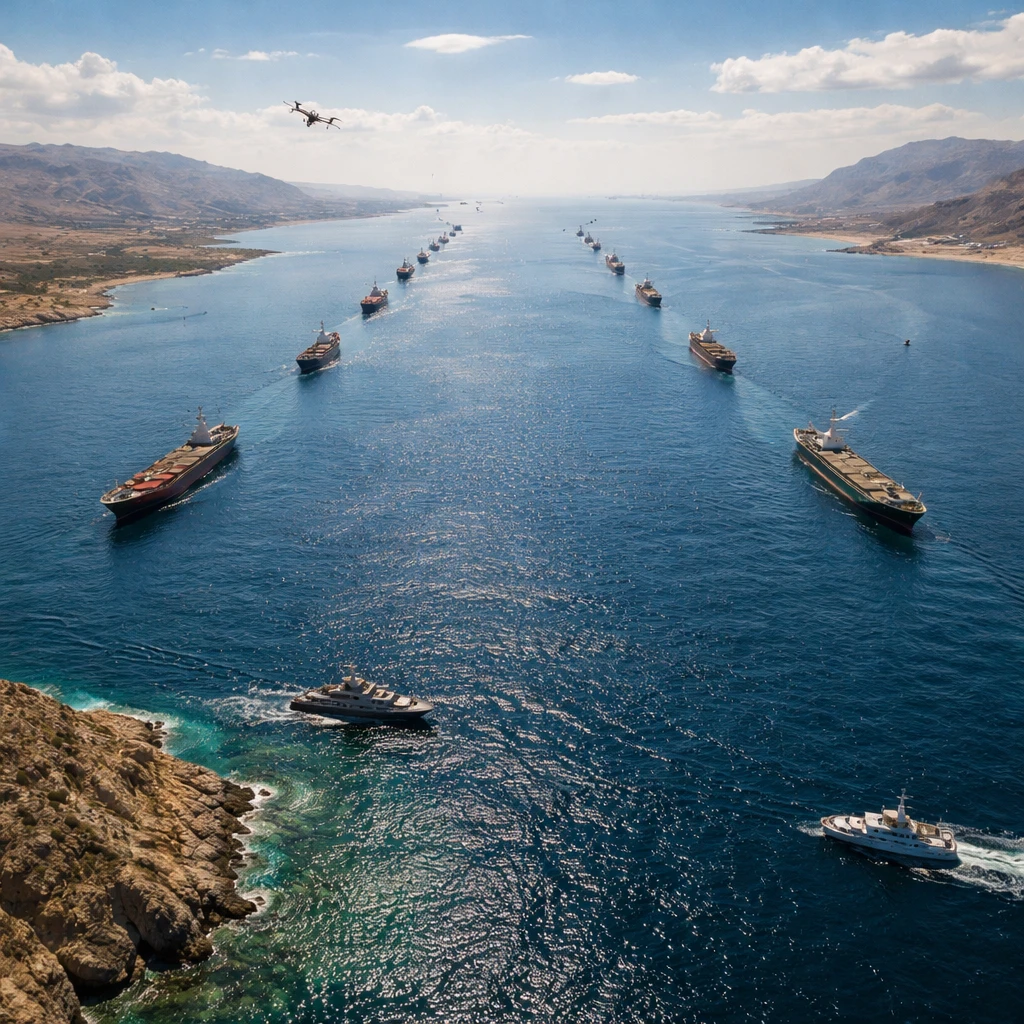
The International Maritime Organization (IMO) has detailed routes for vessels transiting the Strait of Hormuz as part of a coordinated evacuation of stranded ships and crew in the region. The agency said this week it secured safety guarantees to carry out the operation, which covers the evacuation of in excess of 11,000 seafarers.
The operation is being coordinated with Iran, Oman, other coastal states in the region, the United States and industry stakeholders. Under the IMO plan, vessels may transit via two options - passage through Iranian waters, or movement through waters coordinated by Oman and the US.
The IMO has instructed shipmasters not to move independently. Instead, masters are to await direct contact from the coordinating agencies. Once contacted, vessels will be told to proceed to designated waiting areas and to prepare for routing instructions. Each ship may select its preferred route, but must coordinate navigation with the relevant coastal authorities to ensure safe passage.
To limit navigational hazards, Iran and Oman will manage traffic flow through the corridor with the stated purpose of preventing collisions. The IMO said this traffic management is a component of the broader evacuation operation, which relies on cooperation between coastal states and the maritime industry.
Ships have begun to exit the Strait of Hormuz in recent days, and the waterway continues to see millions of barrels of oil pass through it. At the same time, the Joint Maritime Information Center issued a warning that Iran continues to harass vessels by hailing and conducting surveillance.
Separately, Iran and Oman said they will start negotiations toward a future administration agreement for the strait. Those talks are expected to address transit management costs. Oman posted on the social platform X that it stresses the importance of preserving freedom of navigation in the strait without imposing transit fees.
The IMO-led operation represents a complex coordination effort involving multiple coastal authorities, regional states and international partners, with the aim of moving large numbers of seafarers to safety while maintaining navigational order through a major oil transit chokepoint.