
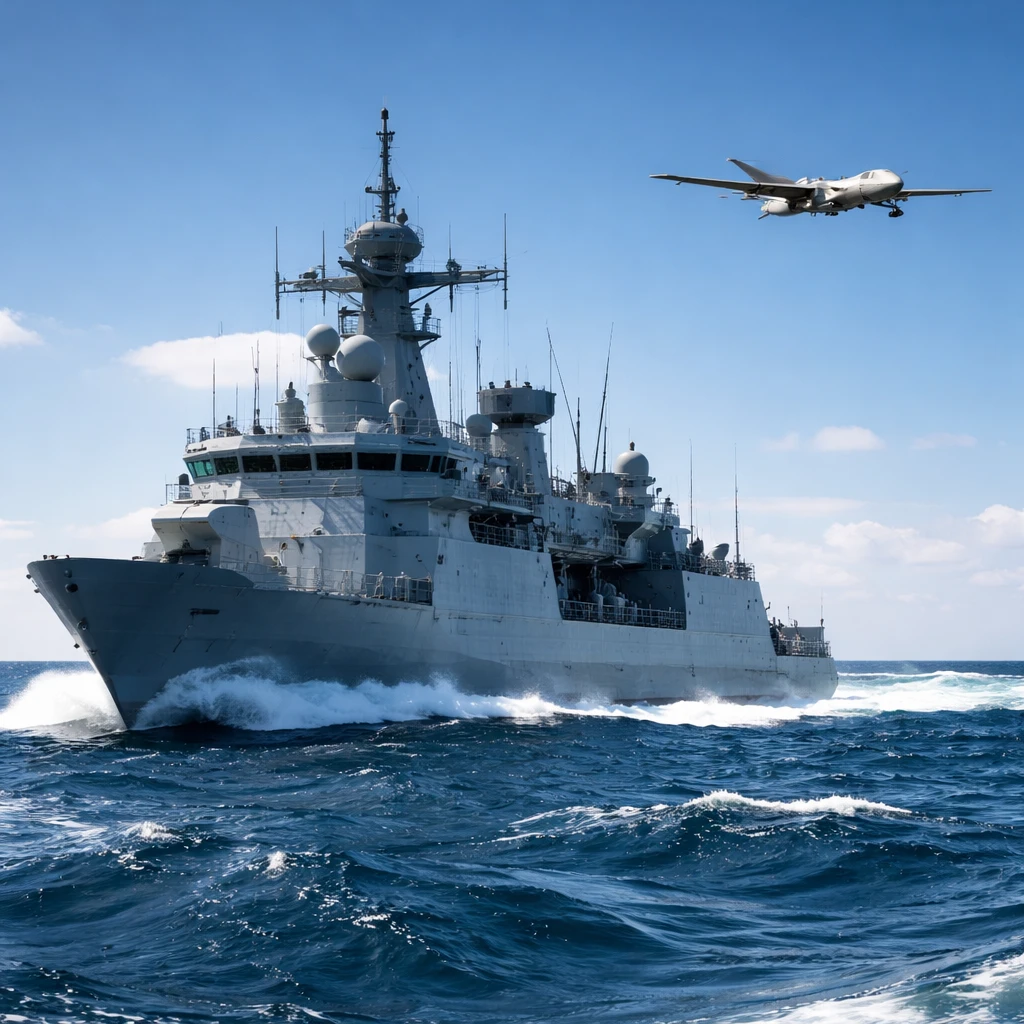
In a strategic move to modernize its national security apparatus, New Zealand's government has designated NZ$1.58 billion in new funding for the 2026 budget cycle. According to Defense Minister Chris Penk, this allocation is specifically designed to enhance maritime security through fleet renewal and the integration of drone technologies. The total package includes NZ$880 million earmarked for additional operating funds and NZ$700 million designated as new capital funding for activities and priority projects under the Defence Capability Plan.
Strategic Focus Areas
The defense strategy places a heavy emphasis on maritime assets, which are currently facing aging infrastructure. The nation's primary maritime combat capability is centered around two Anzac-class frigates, HMNZS Te Kaha and HMNZS Te Mana. These vessels, commissioned in 1997 and 1999 respectively, are approaching the end of their operational design life, with most current fleet ships expected to reach this threshold by the mid-2030s. To manage this transition, the budget allocates funds for essential maintenance on these Anzac-class frigates as well as the HMNZS Canterbury, aiming to extend their service life until replacements can be secured.
Furthermore, the Maritime Fleet Renewal programme will see investment in two distinct types of drone technology:
- A drone system designed for long-duration intelligence, surveillance, and reconnaissance (ISR) operations within the South-West Pacific region.
- A specialized polar-capable drone intended for missions conducted by Royal New Zealand Navy vessels operating in the Southern Ocean.
Minister Penk noted that since the introduction of the Defence Capability Plan just over a year ago, total new investment in the defense sector has reached NZ$1.58 billion (with the broader cumulative investment reaching NZ$5.8 billion). The formal budget is scheduled for release on May 28.
Key Economic and Market Drivers
- Defense and Aerospace Procurement: The allocation of NZ$700 million in capital funding and the focus on drone technology directly impact the defense manufacturing and aerospace sectors.
- Maritime Infrastructure: The emphasis on fleet renewal and maintenance for Anzac-class frigates and the HMNZS Canterbury influences maritime engineering and naval maintenance industries.
Risks and Uncertainties
- Asset Obsolescence: A primary challenge is the aging nature of the current fleet, as most ships are expected to reach the end of their design life by the mid-2030s, necessitating successful maintenance and timely replacement.
- Operational Continuity: The reliance on maintenance to extend vessel life introduces uncertainty regarding how long existing combat capabilities can remain effective before complete replacement is required.