
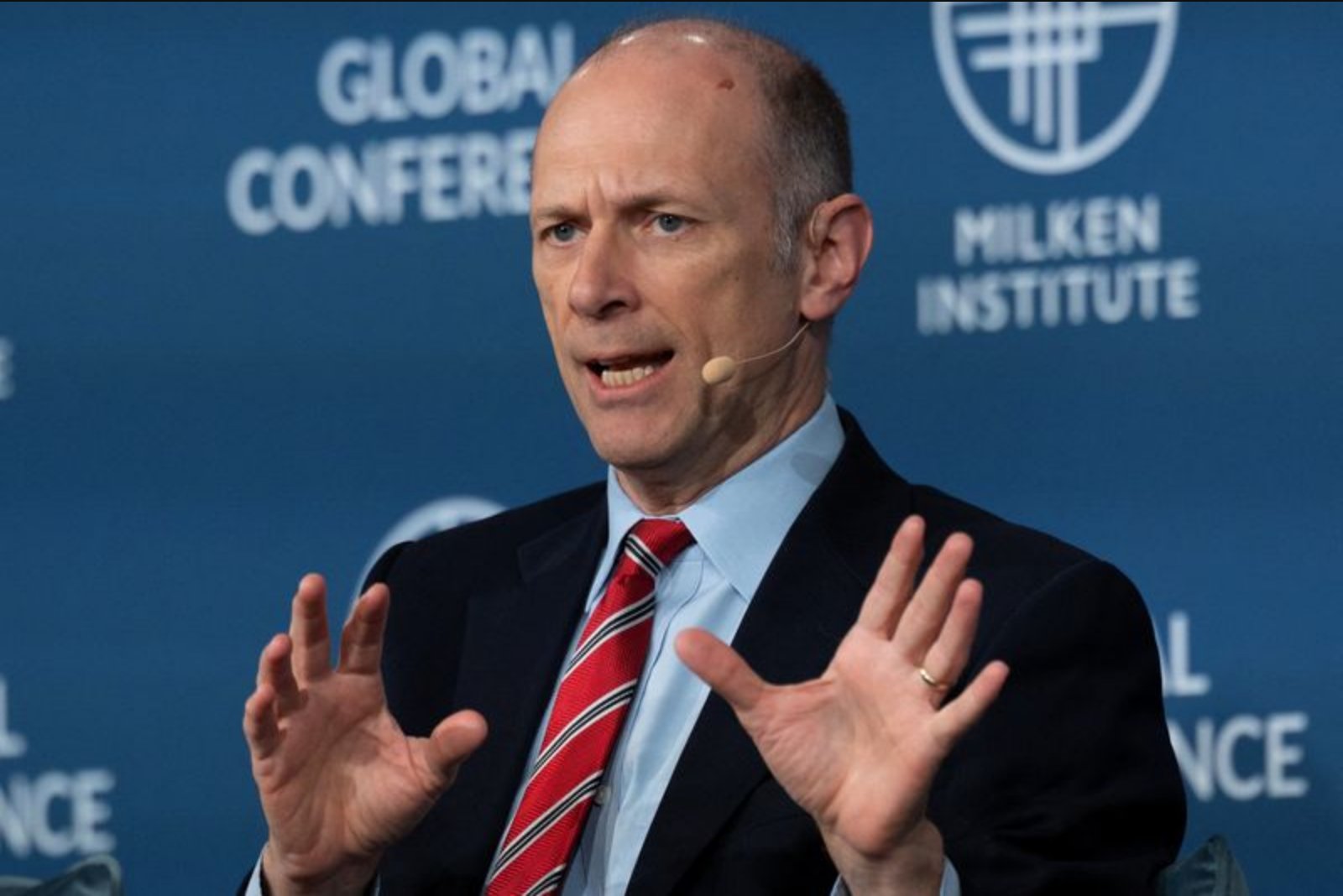
WASHINGTON, May 6 - Chicago Federal Reserve President Austan Goolsbee said on Wednesday that the U.S.-backed war against Iran is increasingly resembling an inflationary shock to the U.S. economy. He noted that, to date, the disturbance has shown little clear effect on jobs and growth but has raised alarms about tangled supply chains and more persistent increases in prices.
Goolsbee made the remarks on a video call with journalists, speaking after his participation in a Milken Institute conference in Los Angeles. He emphasized the current character of the shock, drawing a distinction between an inflationary shock and a broader stagflationary outcome that would damage both employment and price stability.
"It has not yet been a stagflationary-direction shock," Goolsbee said, describing the type of dual impact - a simultaneous blow to the job market and to inflation - that would present the Fed with more acute trade-offs between its goals. Instead, he framed the recent developments as primarily inflationary.
"It has just been an inflationary shock. And the longer that continues, the more nervous that makes me," he added. Those comments highlight the central concern: that persistent inflationary pressure, aided by disruptions to supply chains, could prove more durable than currently observed.
Goolsbee's assessment points to a phase in which price pressures are the dominant signal while labor markets and overall growth appear relatively intact. That distinction matters for monetary policy makers assessing whether to prioritize firming the labor market or reining in inflation, should conditions shift.
His comments underline specific areas of market attention: the functioning of supply chains, durability of price increases, and the sensitivity of employment and output to geopolitical shocks. For now, Goolsbee and, by implication, other policy observers are monitoring whether the inflationary effects dissipate or persist long enough to alter the balance of risks for the central bank.
Summary
Chicago Fed President Austan Goolsbee said the conflict involving Iran is acting mainly as an inflationary shock, with minimal observable impact on jobs and growth so far. He warned that continued price pressures and supply-chain disruptions raise the level of concern for policy makers.