
The latest University of Michigan consumer survey, published Friday, indicates a growing divide in how Americans expect inflation to evolve. Overall consumer sentiment fell to a record low in the survey, and expectations for inflation over the next five years moved higher.
The survey highlights a marked divergence by income bracket. Respondents in lower- and middle-income groups are signaling more pessimistic views about future inflation, attributing part of that outlook to rising gasoline costs that erode household purchasing power. By contrast, higher-income respondents are reporting more moderate inflation expectations, consistent with greater capacity to absorb price increases.
According to the survey, this income-based split first became prominent a year ago when President Trump announced tariffs on most of the world. The pattern has resurfaced as gasoline prices climbed following the U.S.-Israeli attack on Iran at the end of February, the results show.
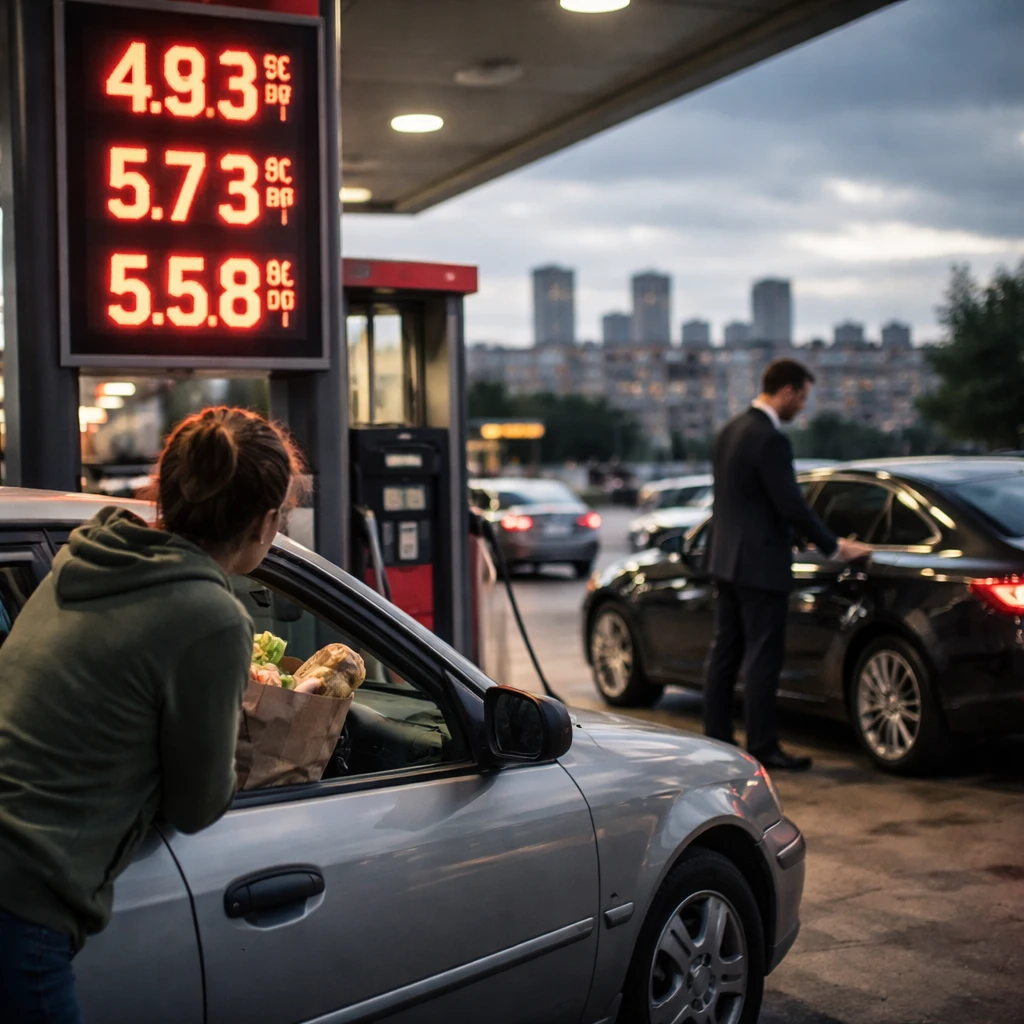
Fuel costs are singled out in the survey as a disproportionate burden on lower-income households. The data suggest gasoline price moves have an outsized effect on perceptions of future inflation among those with tighter budgets - households that feel the immediate impact of higher pump prices more acutely than wealthier peers.
While the survey does not assign precise quantitative contributions of fuel to aggregate inflation expectations, the narrative within the results points to the asymmetric effect of energy costs across economic strata. Lower- and middle-income respondents report darker inflation outlooks, reflecting how an increase in gasoline expenses can tighten discretionary spending and lift concerns about persistent price pressures.
Higher-income respondents, who the survey indicates have greater financial flexibility, appear less inclined to revise long-term inflation expectations upward despite the same external price movements. This divergence contributes to a more fragmented consumer outlook, with implications for demand patterns and market sentiment.
The University of Michigan data arrive amid heightened attention on the interaction between energy price shocks and household finances. By capturing how different income groups translate price changes into expectations about the future, the survey provides a snapshot of the uneven economic effects of recent developments in fuel markets and geopolitical events.
In sum, the survey portrays a consumer landscape in which overall sentiment has weakened and long-run inflation expectations have risen, driven in part by a widening gap between lower- and middle-income households - who report increased inflation concerns as gasoline hits household budgets - and higher earners, whose expectations remain comparatively moderate.