
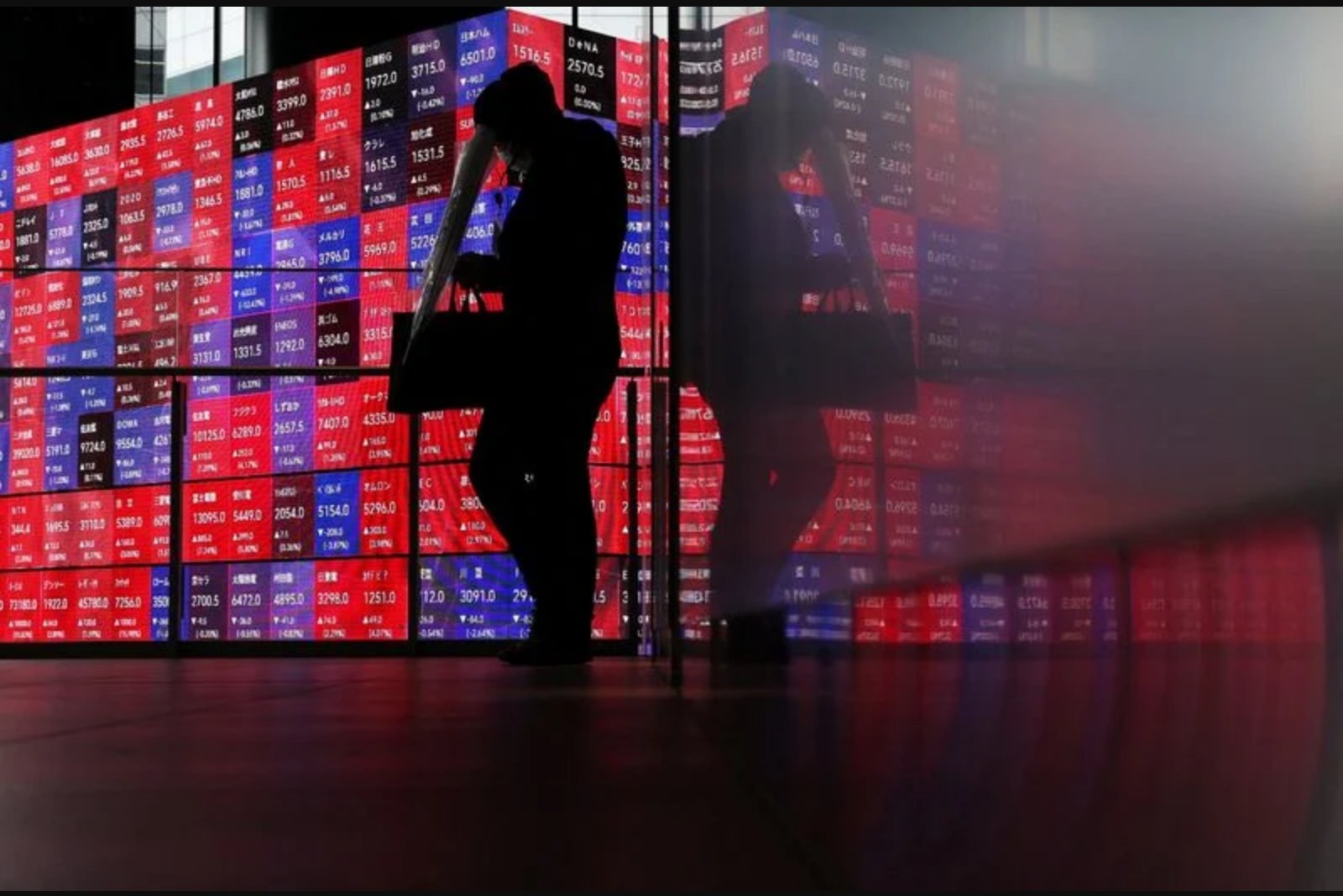
Global financial markets registered significant shifts on Wednesday as geopolitical tensions escalated. Oil prices jumped and bond futures slid following a U.S. military strike on Iran and the reinstatement of trade sanctions. The reaction comes after attacks on tankers navigating the Strait of Hormuz. Simultaneously, stock markets exhibited volatility, with momentum retreating from the record-breaking rally driven by artificial intelligence investments.
U.S. crude futures rose by 2.7%, reaching $72.40 per barrel. In the fixed-income market, 10-year Treasury futures decreased by seven ticks. Traders adjusted their positions by pricing in the risk that these geopolitical developments could lead to higher inflation and elevated interest rates.
Jason Wong, a senior strategist at BNZ in Wellington, noted that while markets clearly disapprove of the attacks, the reaction has not yet devolved into full-blown panic. Wong highlighted that the oil market has demonstrated resilience against substantial supply shocks over recent months. However, he pointed out a critical vulnerability: low global oil reserves. Data released this week confirmed that stocks of crude in the U.S. Strategic Petroleum Reserve have hit their lowest level since 1983.
Equity markets showed mixed signals ahead of the trading day. Nikkei futures indicated a decline in Japanese stocks, while S&P 500 futures were down approximately 0.1%. Wall Street indexes had already dropped overnight. This downward pressure occurred despite Samsung Electronics reporting strong earnings, as the sharp fall in its shares signaled investor wariness. The caution reflects a broader sentiment regarding the extension of a rally that has lifted South Korea’s chipmaker-heavy market by 82% this year.
The U.S. strikes represent the latest challenge to a ceasefire established last month. A U.S. official told Reuters that the strikes targeted air defenses, coastal surveillance systems, anti-ship sites, and drone launch locations. Concurrently, Washington moved to withdraw a concession that had permitted Iran to sell oil on the global market. Iran’s foreign ministry stated that this action breached the framework agreement intended to end the conflict.
In currency markets, the dollar strengthened, having recently come off its highs. The greenback pushed the euro back to just above $1.14 and the Australian dollar to $0.6925. Later on Wednesday, the Reserve Bank of New Zealand is scheduled to set interest rates. Markets are pricing in approximately an 85% chance of a rate hike, a forecast also expected by most economists.