
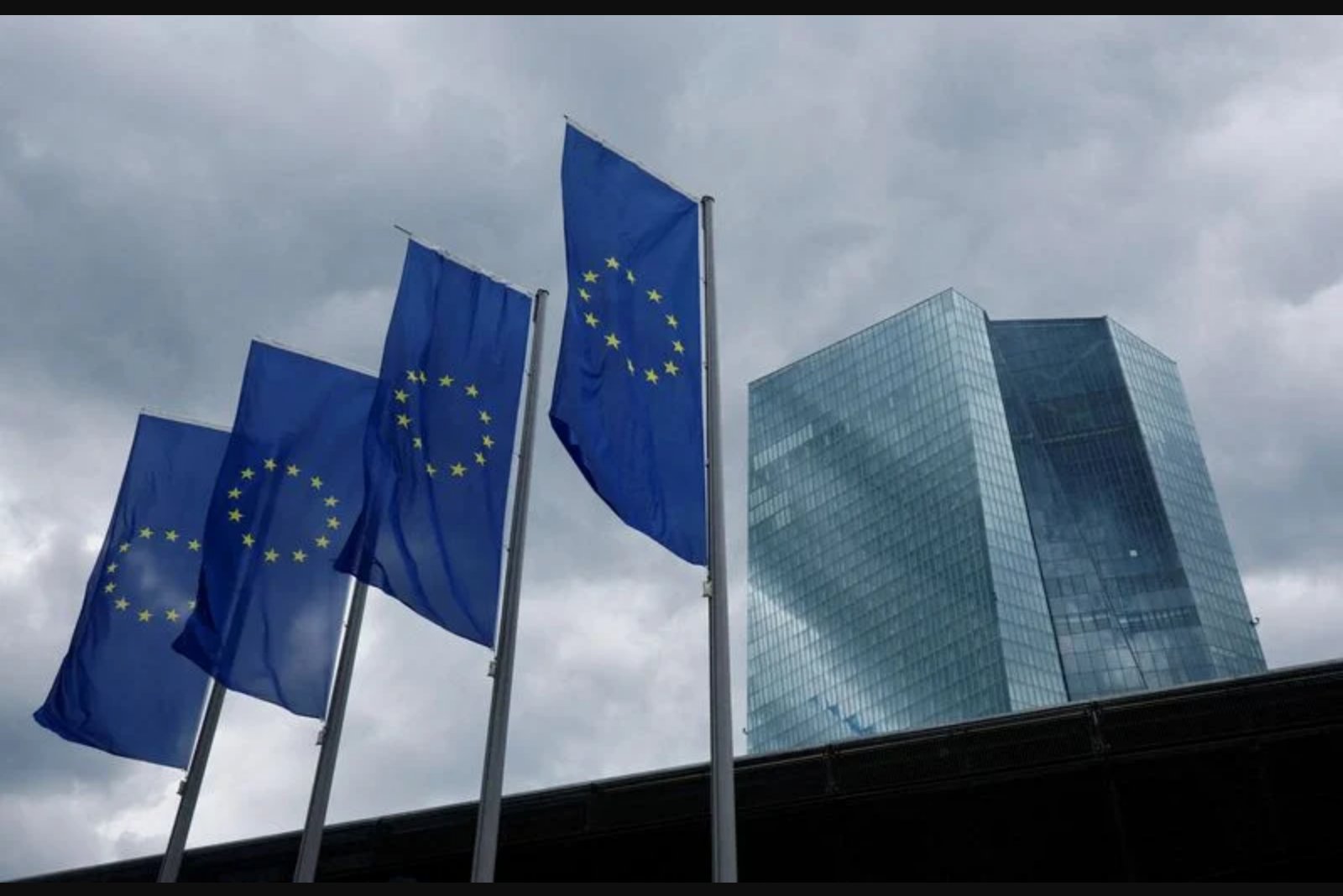
The European Central Bank (ECB) is widely expected to implement an interest rate increase this coming Thursday. This move is viewed as a strategic effort to curb rising inflation before the energy price spikes resulting from the Iran war can permeate more deeply into the economic fabric of the euro zone. This anticipated policy shift occurs against a challenging macroeconomic backdrop: inflation across the 21-nation currency bloc has climbed above the 3% threshold, moving well beyond the ECB's established 2% target, while economic growth remains notably weak.
The decision to tighten policy has divided many economists. However, several ECB policymakers, some of whom advocated for such measures as early as April, appear prepared to proceed. The primary objective is to manage inflation expectations and protect the institution's credibility, especially following a perceived delay in responding to the post-pandemic inflationary surge seen in 2022. Richard Portes, a professor at the London Business School, noted that the necessity of this hike lies in expectation management; failing to act could lead markets to believe the ECB is prepared to allow inflation to accelerate unchecked.
Key Economic Drivers and Market Impacts
The upcoming adjustment is expected to move the ECB's benchmark deposit rate from 2.0% to 2.25%. While the central bank is unlikely to signal a definitive path for further immediate increases this week, financial markets are pricing in two additional hikes over the coming year, with the next potential movement occurring as early as September.
- Precautionary Policy: Many market observers characterize this move as an "insurance hike." This term describes a preventative action that central banks take to safeguard against future risks, which could potentially be reversed if inflationary pressures begin to subside.
- Revised Inflation Projections: The ECB is likely to update its quarterly inflation forecasts on Thursday. These updated figures are expected to align more closely with the "adverse" scenario released in March, a projection that anticipated inflation peaking at 4.2% during the final quarter of this year before experiencing a sharp decline toward 2027.
- Shifting Expectations: While consumers, corporations, and investors have adjusted their internal views regarding price increases, medium-term expectations currently remain near the ECB's target, distinguishing them from the extreme levels seen following the invasion of Ukraine by Russia.
Market and Sector Impact: The decision primarily impacts the financial services sector through changes in borrowing costs and interest rate margins. Additionally, the energy and industrial sectors are under scrutiny as energy-driven inflation influences broader economic stability and consumer demand.
Risks and Economic Uncertainties
Despite the central bank's proactive stance, there is significant debate regarding whether this tightening is appropriate given the current state of the economy. There are several critical risks identified by analysts:
- The Risk of Policy Error: Some economists argue that the ECB may be making a mistake by tightening policy while the economy faces stagnation. Holger Schmieding of Berenberg suggested that with weak consumer demand and a stagnant labor market, the temporary price surges caused by the Iran war might not evolve into a long-term inflation problem requiring higher rates.
- Disconnection Between Energy Costs and Demand: There is uncertainty regarding how much influence interest rate hikes actually have when inflation is fueled by external factors like fuel costs rather than domestic demand. Eric Dor of IESEG School of Management suggested the ECB might be overestimating its ability to control expectations when price drivers are primarily energy-related.
- Global vs. Regional Shocks: ECB Chief Economist Philip Lane has indicated that the current shock related to Iran could have a broader impact than the Ukraine crisis because it influences global energy markets rather than being localized to Europe. This introduces high levels of uncertainty for regional planning.
Risk and Sector Impact: The consumer goods and retail sectors face risks from weakened demand due to higher borrowing costs, while the labor market faces risks from potential over-tightening in a stagnant environment. Furthermore, global energy markets remain a source of volatility that complicates domestic monetary policy.
Data and Corporate Sentiment
A Reuters analysis provides context on how businesses are reacting to these pressures. Examining earnings call transcripts from euro zone companies revealed that only 40% of entities outside the financial sector have already raised prices or are planning to do so. This is approximately half of the level of price adjustments seen during the 2022 period when the Ukraine war drove up energy costs. This data suggests a divergence between current corporate pricing behavior and the anticipated inflationary pressures being addressed by the central bank.
As investors prepare for Thursday, the sentiment remains focused on flexibility. Henry Cook, a senior economist at MUFG in London, observed that while the ECB is expected to leave the door open for future actions, the institution will likely seek to maintain significant flexibility to navigate the ongoing period of elevated uncertainty.