
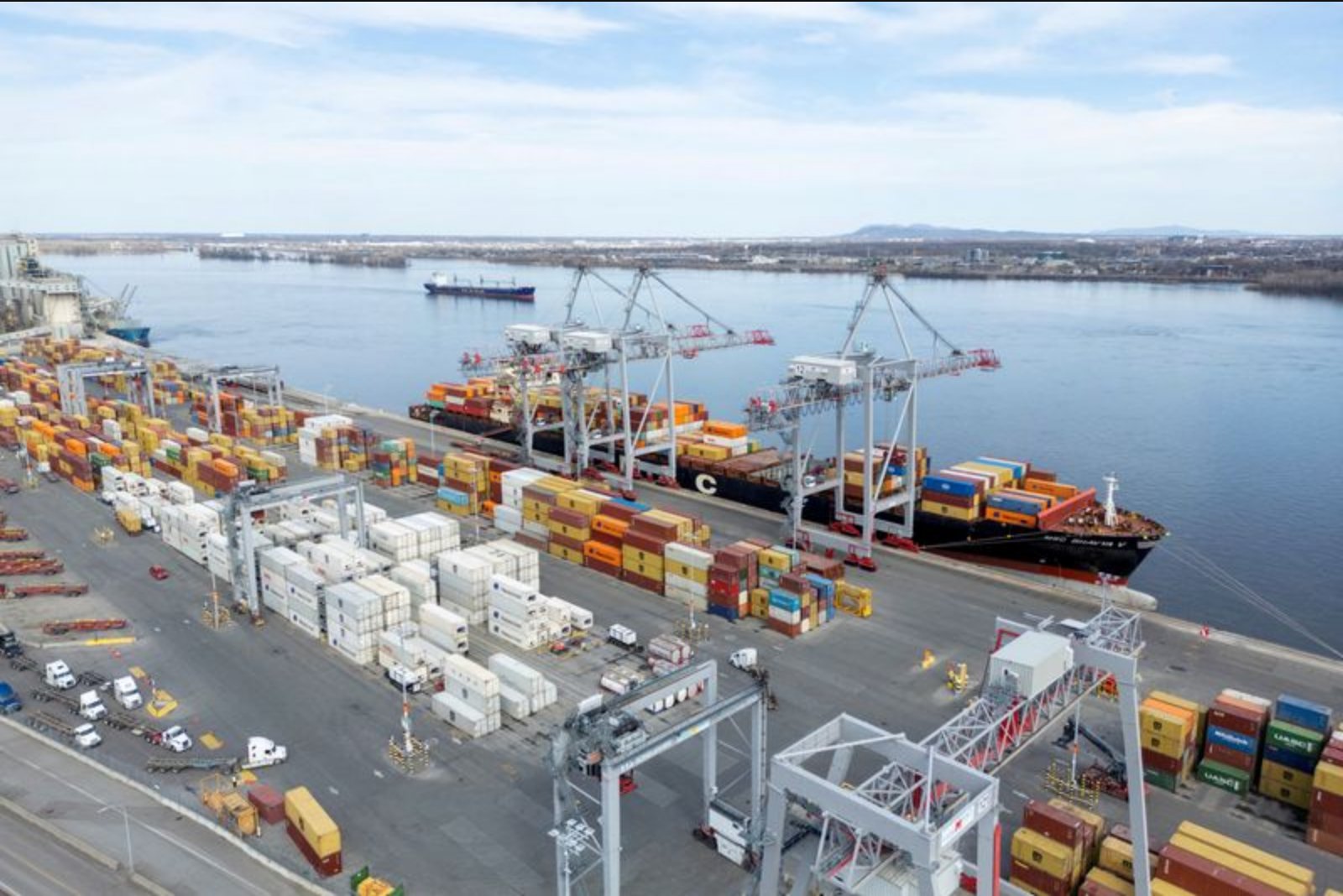
Canada swung into a merchandise trade surplus in March, posting a C$1.78 billion excess of exports over imports after registering a C$5.11 billion deficit the month before, Statistics Canada reported on Tuesday. The improvement reflected higher values for crude oil and a sharp rise in shipments of metals and non-metallic products, alongside a pullback in imports.
Statistics Canada said total exports in March increased 8.5% to C$72.8 billion. Two categories accounted for much of that advance: energy exports rose 15.6% to reach their highest level since September 2022, and the metal and non-metallic products category jumped 24% to a record high. The agency noted that if those two categories are excluded, the remaining export categories saw only a modest 1.1% increase in value and a 0.3% decline in volume.
The boost to energy export value was linked to higher crude oil prices, which Statistics Canada attributed to the war in Iran increasing global oil prices and lifting the dollar value of Canada’s shipments. Separately, the agency pointed to strong global demand for gold as a factor that supported the rise in metal exports, even as gold prices themselves had fallen.
Exports of motor vehicles and parts continued to recover after a big gain in February, rising 4.5% in March following a 24.9% increase the prior month, Statistics Canada said.
On a bilateral basis, exports to the United States climbed 8.3% to C$48.51 billion in March, the highest monthly level of shipments to the U.S. in a year. At the same time, Canadian imports from the United States fell 1.2% to C$41.44 billion. Those shifts pushed Canada’s trade surplus with the United States to C$7.1 billion, its largest in six months. Statistics Canada also reported that the share of Canadian exports destined for the United States fell to 66.7%, its lowest level on record.
Trade with countries other than the United States also strengthened. Exports to non-U.S. markets rose 9.1% in March, hitting another record high, while imports from non-U.S. partners declined 2.2% over the month.
In currency markets, the Canadian dollar ticked up 0.03% to 1.3620 after the release of the trade figures. Money market pricing moved to imply two quarter-point rate cuts by the end of the year.
Key points
- Canada posted a C$1.78 billion merchandise trade surplus in March, reversing a C$5.11 billion deficit in February.
- Exports rose 8.5% to C$72.8 billion, led by a 24% jump in metal and non-metallic product exports and a 15.6% increase in energy exports.
- Shipments to the U.S. increased 8.3% to C$48.51 billion while imports from the U.S. declined 1.2% to C$41.44 billion, lifting the bilateral surplus to C$7.1 billion.
Risks and uncertainties
- Elevated crude oil prices linked to geopolitical tensions - this affects energy exporters and related markets.
- Volatility in global demand for metals and gold - this influences mining sector export receipts and commodity-dependent regions.
- Monetary policy expectations that hinge on trade and currency moves - these impact financial markets and interest-rate sensitive sectors.