
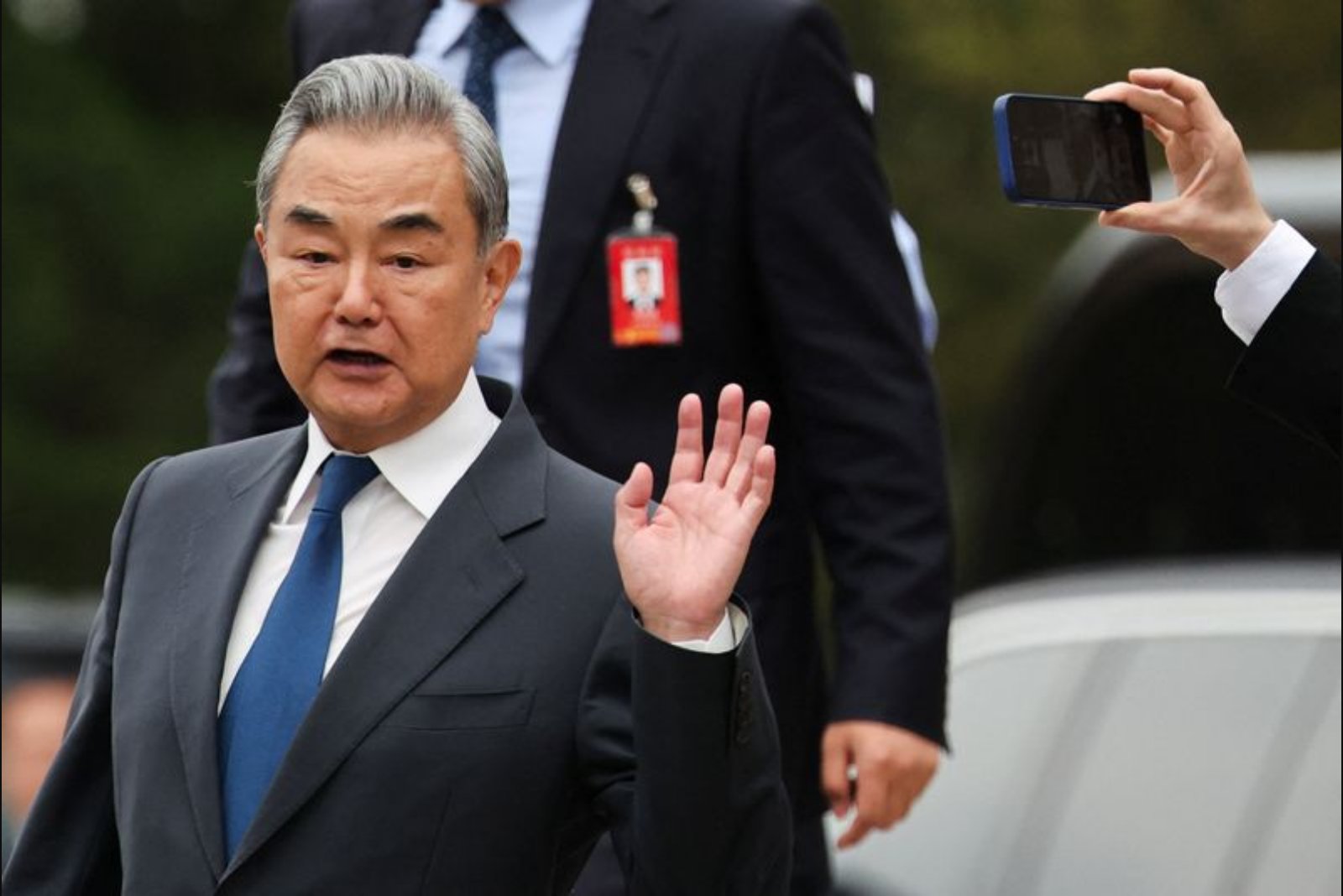
During a formal meeting held on Friday, Chinese Foreign Minister Wang Yi expressed that Beijing "cherishes" its relationship with Moldova. According to an official readout from the Chinese foreign ministry, Wang signaled a desire to further develop and cement mutual trust between the two nations. This visit by Deputy Prime Minister Mihai Popsoi marks the first time a Moldovan foreign minister has traveled to China in nearly eight years.
Diplomatic Context and Divergent Positions
The dialogue between Wang and Popsoi took place against a backdrop of heightened regional activity. Immediately preceding this meeting, Russian President Vladimir Putin conducted a summit with Chinese President Xi Jinping. That 24-hour visit was characterized by significant ceremonial detail and resulted in agreements to bolster coordination and mutual support between Russia and China.
A critical point of divergence remains the conflict in Ukraine. While Moldova has issued strong condemnations regarding the Russian invasion, Beijing's stance has been characterized by a call for a "political settlement." The Chinese government has stopped short of labeling the actions as an invasion or issuing formal condemnations of Russian attacks. During his conversation with Popsoi, Wang reiterated this preference for a political resolution to the crisis.
Regional Security and the Transdniestria Issue
The geopolitical landscape is further complicated by Moldova's proximity to Ukraine and its long-standing tensions with Moscow over the separatist region of Transdniestria. This enclave, which separated from Moldova while the country was still part of the Soviet Union, remains a focal point of instability. Currently, a Russian military presence consisting of approximately 1,500 troops is stationed in the region. Although Moscow describes these personnel as peacekeepers, they serve to separate the two sides of the conflict within the enclave, which receives significant assistance from Russia.
The Moldovan government has expressed concern that both the Transdniestria enclave and the continued Russian military presence act as mechanisms for Moscow to maintain influence over Moldovan domestic affairs. This tension is particularly relevant as Moldova pursues a strategic goal to join the European Union by the year 2030.
Key Economic and Geopolitical Drivers
- Diplomatic Re-engagement: The visit represents a rare high-level diplomatic exchange between Moldova and China, occurring after an eight-year hiatus for Moldovan foreign ministry officials.
- Geopolitical Divergence: There is a clear distinction between Moldova's condemnation of Russian military actions and China's pursuit of a political settlement.
- Regional Sovereignty Concerns: The presence of 1,500 Russian troops in Transdniestria continues to influence Moldova's path toward European Union integration.
Market and Sectoral Impacts
While the article focuses on diplomatic relations, the following areas are impacted by these geopolitical developments:
- Geopolitical Risk Management: The shifting dynamics between China, Russia, and Eastern European nations like Moldova create a complex environment for international relations and regional stability.
- Regulatory and Integration Shifts: Moldova's objective to join the European Union by 2030 suggests long-term shifts in regional trade and regulatory alignment within Europe.
Identified Risks and Uncertainties
- Regional Instability: The ongoing situation regarding the Transdniestria enclave and the presence of Russian troops presents a persistent risk to Moldovan sovereignty and regional security.
- Diplomatic Friction: Differing stances on the Ukraine crisis between Beijing and Chisinau could present obstacles to the deepening of bilateral ties that Wang Yi has expressed interest in pursuing.