
Currencies May 4, 2026 09:58 AM

Rand Slips as Dollar Strengthens and Oil Climbs on Middle East Tensions

Currency weakens amid reports of a confrontation in the Strait of Hormuz and a jump in crude prices; domestic auto and manufacturing data show mixed support

By Leila Farooq

The South African rand weakened on Monday as a firmer U.S. dollar and a sharp rise in oil prices weighed on the currency. Market nerves were heightened by reports from Tehran about a naval encounter near the Strait of Hormuz, while domestic indicators such as manufacturing sentiment and vehicle sales offered some offsetting support.

Rand Slips as Dollar Strengthens and Oil Climbs on Middle East Tensions

Key Points

  • Rand traded at 16.6925 to the dollar at 1334 GMT, down 0.5% from the previous close, reflecting a stronger U.S. dollar.
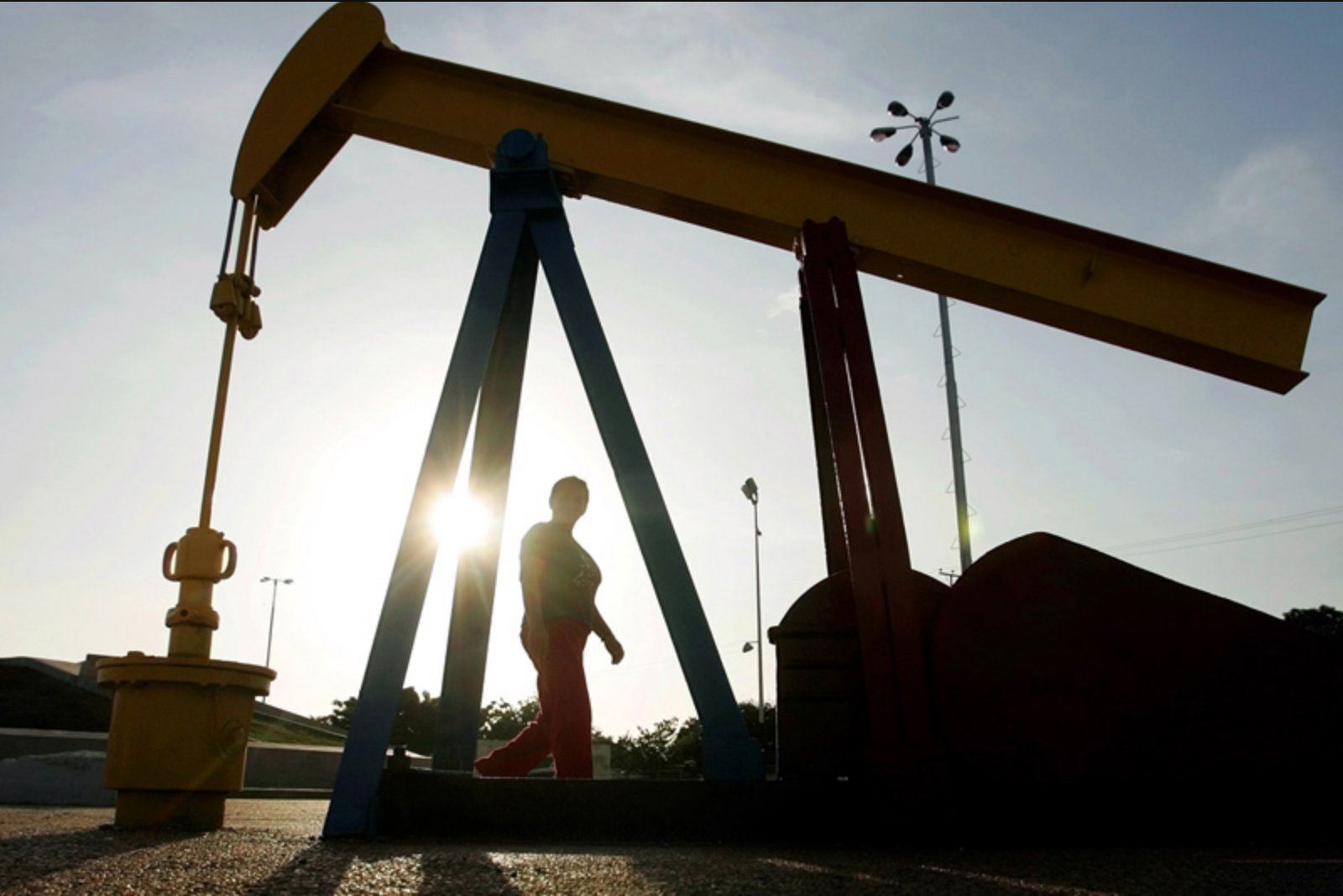
  • Oil prices rose over 3% to above $110 a barrel, contributing to pressure on the rand and risk-sensitive assets.
  • Domestic indicators showed improvement: South African manufacturing sentiment recovered in April and new vehicle sales rose 13% year-on-year in April, supporting local demand.

The South African rand fell on Monday, pressured by a stronger U.S. dollar and a notable rise in crude oil prices amid heightened geopolitical tensions.

At 1334 GMT the rand was trading at 16.6925 to the dollar, down 0.5% from the previous close. The wider U.S. dollar gained ground against a basket of currencies as investors reacted to developments in the Middle East. Oil prices jumped by more than 3% to trade above $110 a barrel, adding to pressure on risk-sensitive emerging market currencies.

Tehran said it had forced a U.S. warship to turn back from the Strait of Hormuz, while U.S. Central Command denied a semi-official Iranian news agency report that two missiles struck the vessel. Those conflicting accounts contributed to elevated global market uncertainty and helped underpin safe-haven demand for the dollar.

Market participants have been watching the rand closely since late February, when the United States and Israel launched military action on Iran and Tehran responded. That sequence of events has left the currency sensitive to swings in global sentiment.


On the domestic front, South Africa posted signs of modest improvement. Manufacturing sentiment improved in April as output and new sales orders rebounded after a weak first quarter, according to data released recently. The auto industry also showed continued domestic support: the National Association of Automobile Manufacturers of South Africa reported a 13% year-on-year increase in new vehicle sales in April, following a 17.3% rise in March.

NAAMSA noted that the latest sales outcome reflects a market still benefiting from earlier cyclical support, even as external shocks continue to reshape the operating environment.


While local demand trends in manufacturing and vehicle sales provide some cushion, the rand remains vulnerable to global developments, particularly movements in oil and shifts in risk appetite driven by geopolitical headlines.

Risks

  • Escalating U.S.-Iran tensions may continue to drive safe-haven flows into the U.S. dollar, putting further downward pressure on the rand - impacts markets and currency traders.
  • Rising oil prices increase cost pressures and can weigh on emerging market currencies and risk assets - impacts energy and broader market sentiment.
  • External shocks reshaping the operating environment could offset domestic improvements in manufacturing and auto sales - impacts manufacturing and automotive sectors.

More from Currencies

Pound Inches Up as Dollar Pauses; Gains Remain Vulnerable Ahead of U.S. Payrolls Jun 4, 2026 Asian FX Firms After Sharp Losses as Dollar Holds Near Two-Month High Jun 4, 2026 Canadian dollar slides to eight-week low as trade and Gulf tensions pressure markets Jun 3, 2026 Yen Slides to 160 per Dollar as Gulf Tensions Propel Demand for U.S. Currency Jun 3, 2026 Pound Eases as Dollar Strength and Oil Rebound Pressure Risk Assets Jun 3, 2026