
The South African rand showed little directional movement on Tuesday, trading at 16.23 against the U.S. dollar at 1432 GMT and remaining broadly flat versus its previous close. Market participants attributed the muted action to a combination of rising geopolitical tensions in the Middle East and weaker gold prices, ahead of domestic inflation figures scheduled for release on Wednesday.
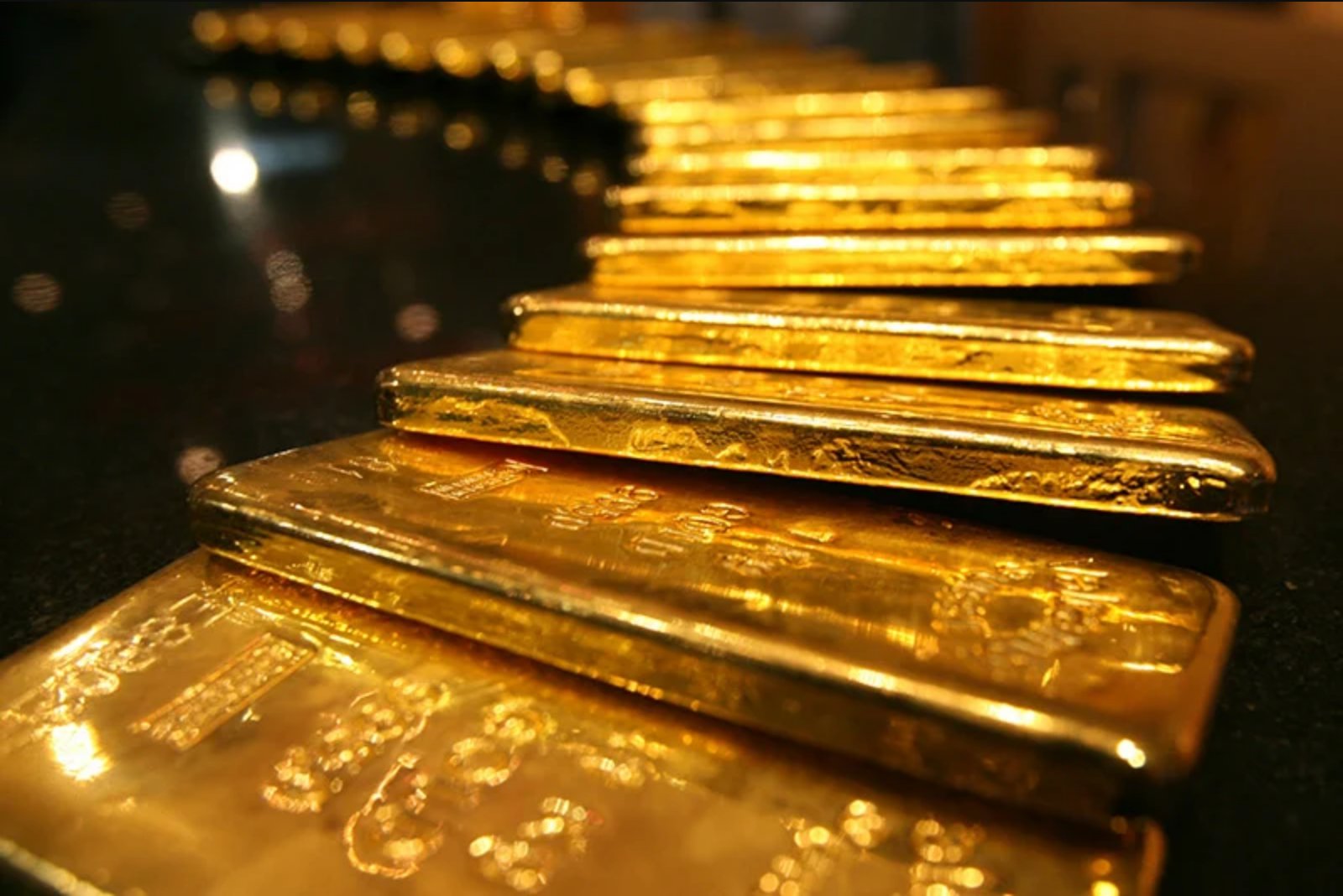
Gold prices, which matter for South Africa as a significant export, slipped on the day. Analysts and traders pointed to rising energy costs connected with growing U.S.-Iran tensions as a factor that has elevated inflation concerns and placed pressure on the non-interest-bearing metal.
On the geopolitical front, hopes for a diplomatic resolution between the United States and Iran appeared stalled. U.S. President Donald Trump said Tehran was unlikely to accept the terms necessary to end the conflict, while Iran announced a "fully offensive" military posture and indicated the Strait of Hormuz would remain closed until Washington met the conditions of an interim agreement. The confrontation has now persisted for more than five months and market commentary has linked it to disruptions in the global interest-rate outlook and broader inflationary pressures observed throughout much of the year.
Domestically, South African investors focused on the inflation print due on Wednesday for guidance. Economists' projections included in market briefings expect annual inflation to ease to 4.5% from 5.0% in June. That anticipated decline is being watched for its implications on consumer purchasing power, real wages, and monetary policy expectations.
Separately, the South African Chamber of Commerce and Industry published data on Tuesday showing an improvement in business confidence for July. The report noted that price pressures and uncertainty related to the Iran conflict continued to influence sentiment among firms.
Overall, currency markets remained steady while the economic calendar offered potentially market-moving data. Investors and businesses that are exposed to commodity prices, interest-rate expectations, and domestic inflation trends are likely to pay close attention to Wednesday's inflation release and any further developments in the Middle East.