
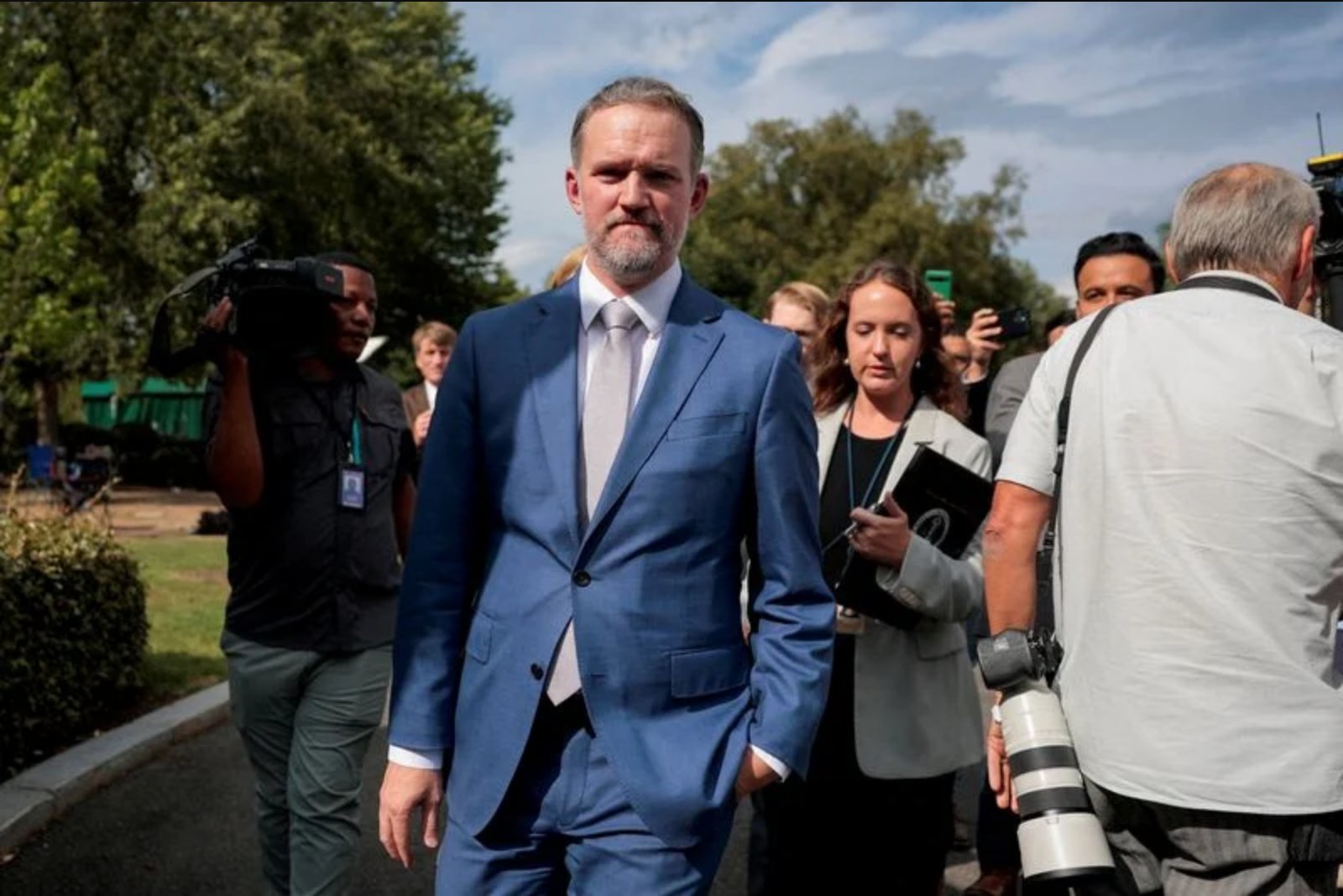
G20 trade ministers convened in Milwaukee and issued a joint denunciation of the weaponization of food through coercive trade measures, but fell short of unanimity on broader trade grievances, according to U.S. Trade Representative Jamieson Greer.
Greer said ministers were unable to agree on language condemning forced labor in supply chains and on a coordinated approach to address structural excess industrial capacity. The lack of consensus on those points left differences exposed among G20 members over the appropriate multilateral responses to industry distortions and human rights concerns within global trade.
At a news conference, Greer described widespread concern among ministers about what he called the flood of inexpensive exports that is saturating domestic markets and undermining domestic producers. Many delegates, he said, identified excess industrial capacity - particularly in China - as a driver of that pressure.
"Nearly all countries agree that this is an issue that requires action, and nearly all countries agree that our current system of trade remedies or responses is inadequate to solve this problem," Greer said, noting that the United States has pursued unilateral tariff measures to shield certain industries.
Greer did not single out the countries opposing particular statements at the ministerial meeting. He did, however, note that China had opposed a similar G20 formulation denouncing forced labor and non-market policies that spur excessive exports at a finance leaders' meeting held a month earlier in Asheville, North Carolina.
"In the United States, we will continue to have discussions on this topic with like-minded trading partners well beyond Milwaukee," Greer said, indicating ongoing bilateral and plurilateral conversations on trade remedies and enforcement.
Ministers also turned their attention to a U.S. proposal aimed at a comprehensive rethink of the Most Favored Nation (MFN) system - the long-standing practice of publishing unconditional tariff rates that has underpinned multilateral trade since World War Two. Greer said this subject is a fresh item for the G20 agenda, noting that previous debates on MFN tariffs have occurred within the World Trade Organization.
The United States chose not to seek a joint G20 statement on MFN reform during the Milwaukee meeting, with Greer characterizing the issue as a longer-term conversation that the group needed to commence rather than conclude immediately.
"So for us, we think that the principle of unconditional Most Favored Nation (tariffs) warrants reform," Greer said. "We think that it actually fails to promote reciprocity and balance in the trading system. It can actually create free riders."
European Trade Commissioner Maros Sefcovic, speaking separately, expressed strong support for concentrated action on excess capacity. He warned that the build-up of overcapacity over the past decade has reached a level where exports from China threaten key European industries, specifically naming autos and steel.
"Now we are at the stage where, because of these overcapacities and turbulence on the global market, (it) can create such flooding of the markets that whole sectors could be put in danger within a couple weeks or months," Sefcovic told reporters.
China, a G20 member, rejects assertions that its industrial policies produced excess capacity and maintains that Western countries are using the issue to rationalize protectionist responses. That divergence of views contributed to the inability to reach unified language on overcapacity and related trade remedies.
Greer also reported constructive exchanges with French, German and other European counterparts about coordinated steps to release strategic diesel reserves to relieve high prices created by constrained supplies. He said opening reserves could be part of a cooperative effort to increase diesel availability and ease market strain.
"I think I won’t put words in their mouth, of course, but I think they would love to have a cooperative path forward with the United States on how we get more diesel to market. Getting some of that diesel that’s in the reserve is part of that equation," Greer said.
Greer declined to address directly media reporting that U.S. officials had warned France and Germany of a possible U.S. diesel export ban if they did not release emergency stocks.
The G20 ministers were expected to issue the joint statement denouncing the weaponization of food later in the day. Beyond that, discussions on forced labor, overcapacity and MFN reform look set to continue in bilateral and multilateral fora, reflecting persistent divisions on how to tackle linked economic, trade and human rights challenges within the global trading system.