
Most Asian currencies rose on Wednesday as the U.S. dollar remained near its weakest levels in roughly six weeks and global oil prices eased. The Dollar Index was little changed at 99.80 by 00:57 ET (04:57 GMT), having recently touched that lower range as market concerns over Middle East tensions abated and hopes for renewed U.S.-Iran diplomacy weighed on crude.
The Reserve Bank of India (RBI) opted to keep its policy stance steady, leaving the repo rate at 5.25% and citing resilient domestic growth, rising inflation and global uncertainty in its decision. The six-member Monetary Policy Committee voted unanimously to maintain the rate and to retain a neutral policy stance. The central bank said the recent pickup in prices was driven mainly by food and fuel, while underlying inflation metrics remained benign.
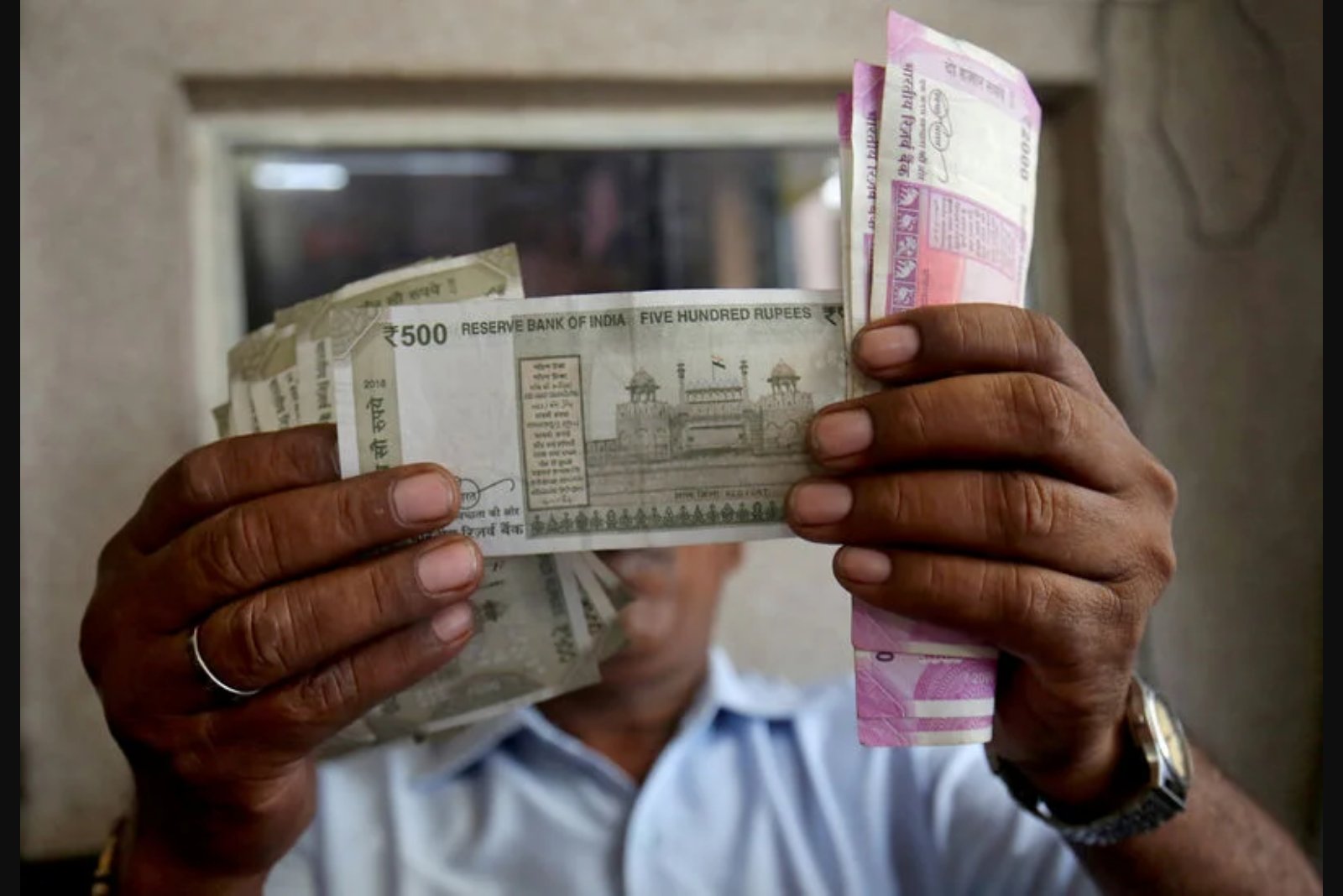
Markets responded to the RBI decision and a decline in oil costs by pushing the Indian rupee further into positive territory. The USD/INR pair fell 0.3% to 95.06 rupees, extending a recovery that has seen the rupee regain nearly 2% from recent lows as Brent crude retreated sharply over the prior two sessions amid optimism about U.S.-Iran diplomatic engagement.
Japan's currency also held gains following an abrupt corrective move late last week. USD/JPY edged 0.2% lower to about 157.5 per dollar after a period of sharp declines that followed coordinated yen-buying intervention by Japan and the United States - the first joint action of that type in decades. The move helped ease pressure on the yen after it had fallen to multi-decade lows, and U.S. Treasury Secretary Scott Bessent said Washington would "do whatever it takes" to support the yen and ensure orderly currency markets.
Elsewhere in the region, a softer dollar supported a range of local currencies. The South Korean won strengthened with USD/KRW down about 0.4%, while USD/SGD ticked 0.1% lower. Onshore USD/CNY slipped 0.1% as a private survey indicated China's services sector expanded at its slowest pace in 10 months in July amid weak domestic demand. The Australian dollar gained 0.1% against the dollar.
Oil prices fell for a third consecutive session after Qatar said mediators had drafted an interim proposal as efforts continued to narrow differences between Washington and Tehran. Lower crude helped relieve a key input cost pressure for several Asian economies, supporting regional currencies that had been under strain from elevated oil costs.
Market participants are also looking ahead to U.S. non-farm payrolls data later in the week, which could influence expectations for the Federal Reserve's next policy move and, in turn, global currency dynamics.
Market context
Currency moves across Asia on Wednesday reflected a mix of central bank decisions, geopolitical developments and commodity price shifts. The RBI's unanimous hold at a 5.25% repo rate reinforced expectations for a neutral stance on policy in India, while easing Middle East tensions and falling Brent crude provided downward pressure on the dollar and on energy-driven inflation risks in the region.