
WASHINGTON, June 10 - The U.S. administration on Wednesday defended a package of sanctions imposed on Cuba, asserting the measures are focused on leaders and organizations that Washington holds responsible for undermining U.S. national security. The comment came after the U.N. human rights chief cautioned that the actions were producing broad harm to the Cuban population.
A White House official said, "These sanctions target the leaders and entities who sustain the regime’s malicious campaign to subvert and destabilize U.S. national security." The administration has targeted a range of Cuban entities and individuals, including the nation's president, as part of a bid to increase pressure on the island's communist leadership.
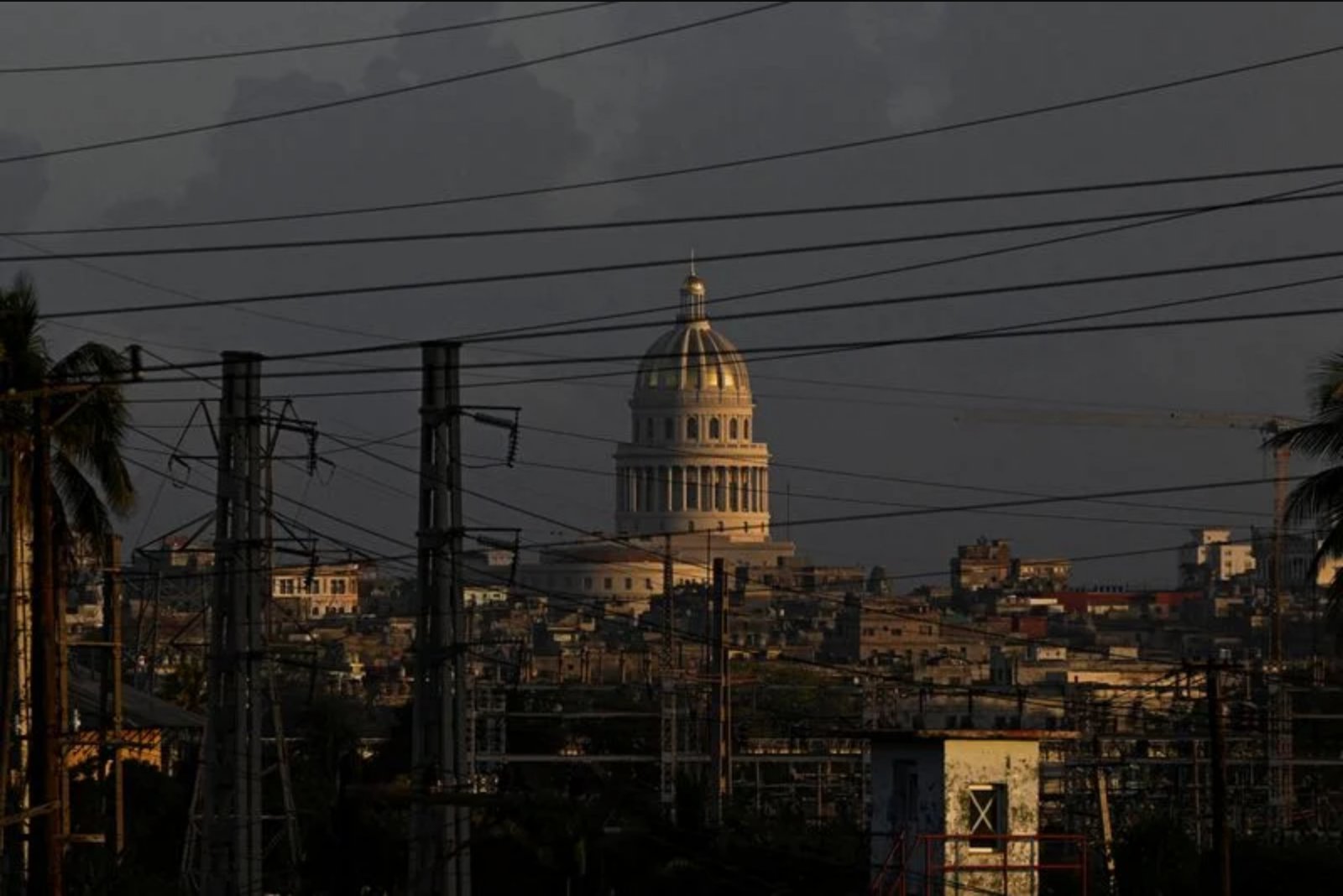
Earlier this year the United States declared a national emergency that would allow it to impose tariffs on any country that supplies oil to Cuba. That policy step has been followed by reported frequent power outages on the island, which U.N. High Commissioner for Human Rights Volker Turk said are among the measures affecting ordinary Cubans.
Turk warned on Monday that the sanctions were restricting the population's human rights, specifically drawing attention to access to essential supplies and services such as water, food and healthcare. He said, "Such severe sanctions packages that target entire sectors of an economy and produce broad, indiscriminate and harsh effects on populations are incompatible with basic principles of international human rights law."
The White House official also pointed to prior remarks by U.S. Secretary of State Marco Rubio, stressing that Washington remains willing to open a new chapter with Havana. According to the official, the current Cuban leadership is the principal barrier to such a reset, and "leaders should make a deal with the United States before it is too late."
The Cuban foreign ministry did not immediately respond to a request for comment. Cuban Foreign Minister Bruno Rodriguez posted on social media earlier in the day that the U.S. energy blockade has harmed the Cuban population and impeded the work of international agencies operating on the island.
President Donald Trump has repeatedly signaled an intent to take action against Cuba. Top Cuban officials have publicly condemned U.S. discussions of potential military measures, with Rodriguez characterizing such threats as possible international crimes.
Context and implications
The standoff highlights competing priorities: the U.S. emphasis on pressuring Cuba's leadership for security-related reasons, and U.N. concerns about the humanitarian consequences of broad sanctions. Reported power shortages tied to limits on energy imports have drawn specific criticism because they can amplify shortages in essential services such as healthcare.
The public exchanges between U.S. officials and Cuban ministers underscore the strained diplomatic environment and the difficulty of balancing sanctions as a tool of statecraft with potential impacts on civilian populations.