
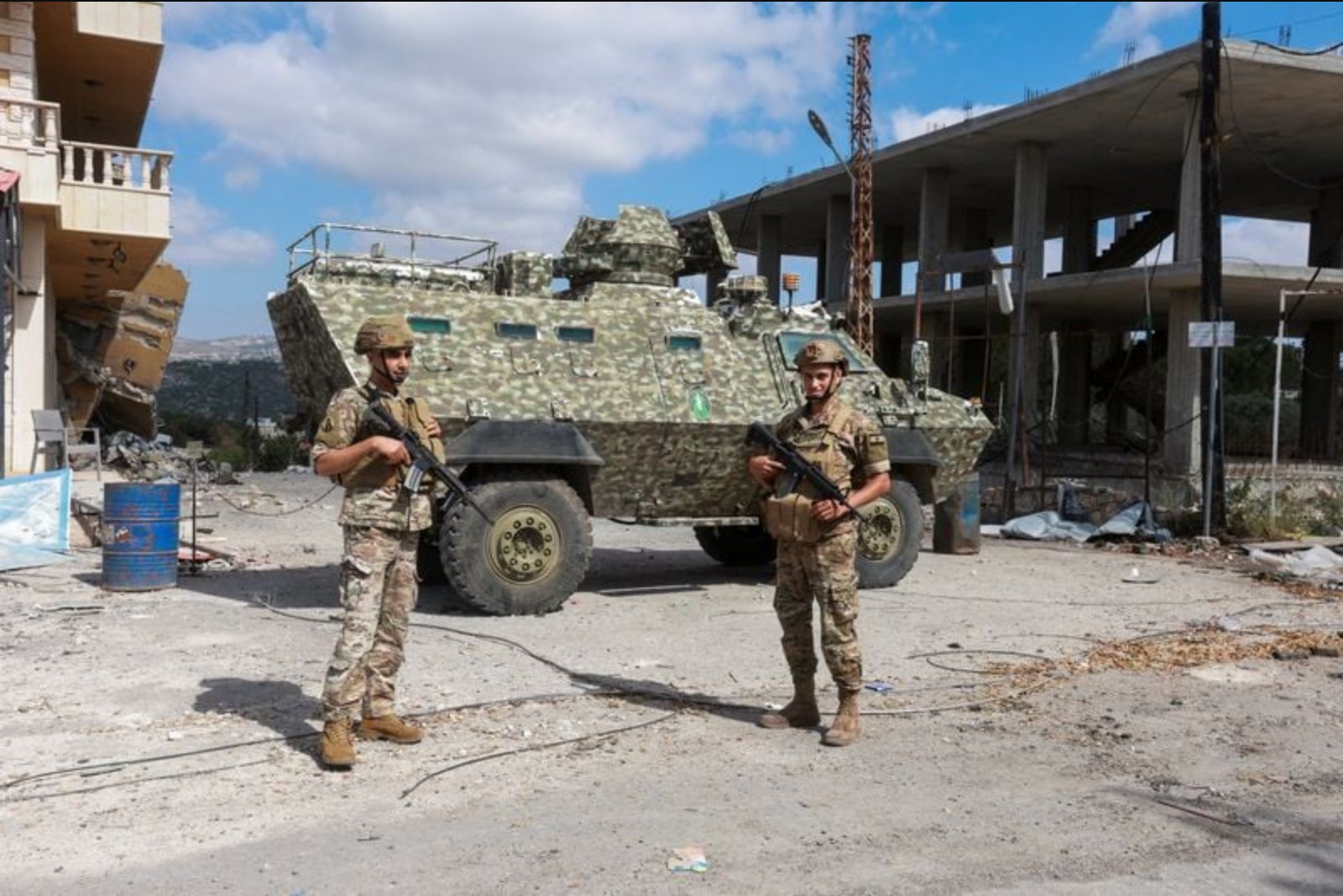
Israeli and Lebanese officials report that current negotiations include a U.S.-backed proposal whereby Israeli forces would hand over some of the ground they have occupied in southern Lebanon to the Lebanese army, provided the Lebanese troops involved receive U.S. training and vetting to demonstrate they have no links to Iran-backed Hezbollah.
Under the concept being discussed - described by Israeli officials as a "pilot" project - Israel would continue to maintain a military presence in a buffer zone along the border even after territorial transfers. The pilot idea was raised during the latest round of talks between Lebanese and Israeli representatives, which got underway in Washington on Tuesday.
Hezbollah has rejected the diplomatic track. Meanwhile, Iran has positioned Lebanon as a central element in its negotiations with the U.S., a development that has overshadowed the current discussions.
A senior Lebanese security official confirmed that talks in Washington were continuing and said that Wednesday would include military-to-military discussions that would address the pilot zones. The Lebanese official indicated those discussions would concentrate on establishing a timeline for withdrawal of Israeli forces and said any concrete plan would only emerge after the final day of the talks on Thursday.
The Lebanese official did not provide comment in response to the Israeli officials' account that the U.S. would carry out training and vetting of Lebanese troops.
The latest conflict between Hezbollah and Israel began when the group opened fire at Israel in solidarity with Tehran in the early days of the U.S.-Israeli war on Iran. A ceasefire has largely held since Sunday, even as Israeli forces remain deployed well inside southern Lebanon.
In areas of southern Lebanon, Israeli forces have taken control of a self-declared security zone, which Israeli authorities say is necessary to protect northern Israel from potential Hezbollah attacks. The situation on the ground remains tense despite the ceasefire largely holding.
Last week, Iran and the U.S. signed an interim agreement that requires both countries and their allies to declare an immediate and permanent end to military operations on all fronts, including Lebanon, and to ensure Lebanon's "territorial integrity and sovereignty." The agreement forms part of the broader diplomatic context for the Washington talks.
Key points
- U.S.-backed pilot proposal would see Israeli-controlled areas in southern Lebanon transferred to Lebanese army units that have undergone U.S. training and vetting - impacts defense and security sectors.
- Israel would retain a military presence in a border buffer zone even if some territory is handed over - relevant to regional security and defense procurement dynamics.
- Talks began in Washington on Tuesday and are scheduled to conclude on Thursday, with concrete plans expected only after the final day of discussions - implications for short-term political risk assessments.
Risks and uncertainties
- Hezbollah has rejected the diplomatic track, creating a clear political obstacle to implementation - affects regional security and military planning.
- The timeline for Israeli withdrawal and the exact terms of any handover remain unresolved, with Lebanese officials indicating plans will only emerge after talks conclude - creates uncertainty for defense and border-security operations.
- Israeli forces remain deployed deep inside southern Lebanon despite a largely held ceasefire, meaning the security environment on the ground could change and complicate any transfer arrangements - market and operational risks for defense-related firms and logistics.
Conclusion
Delegations from Israel and Lebanon continue negotiations in Washington over a U.S.-backed pilot to return some southern Lebanese territory from Israeli control to the Lebanese army, contingent on U.S. training and vetting to ensure no Hezbollah links. The talks, which began on Tuesday, face rejection from Hezbollah and unfold against an interim Iran-U.S. agreement that calls for a permanent end to hostilities and protection of Lebanon's territorial integrity. Officials from both sides say detailed military discussions and decisions on a withdrawal timeline will follow only after the final day of meetings.