
President Donald Trump announced that the United States and Iran had agreed to keep talking, while also declaring that the ceasefire reached between the two sides last month is no longer in effect. His comments arrived at the close of a tense week in which attacks on regional shipping and retaliatory strikes heightened geopolitical risks and pushed oil prices higher.
The president said the Islamic Republic had requested continued "talks" and that Washington had consented, but he added that the ceasefire was "OVER!" in a post on his Truth Social platform. Iran challenged that account, saying it had not sought direct talks with the United States but had agreed to host a Qatari mediator, according to state television.
"The Islamic Republic of Iran has asked us to continue 'talks.' We have agreed to do so, but the United States has stated to them, in no uncertain terms, that the Cease Fire is OVER!"
The president also posted a separate message ordering the U.S. military to be prepared to strike Iran if Tehran attempted or carried out an assassination of the U.S. president. In that post he warned that "1000 Missiles are Locked and Loaded and aimed at the Islamic Republic of Iran, with thousands of more to immediately follow" should the alleged assassination threat materialize. He added that orders were given for the U.S. military to be prepared, "for a one year period of time, subject to extension, to completely decimate and destroy all areas of Iran - PRAISE BE TO ALLAH!"
U.S. media reported that Israel had shared intelligence indicating Iran had recently developed a plan to assassinate the president. At the funeral of Iran's slain Supreme Leader Ayatollah Ali Khamenei on Thursday, mourners filled a courtyard with some carrying banners that read, "We Will Kill Trump." Khamenei was killed in an airstrike on the first day of the war, which began on February 28 with U.S.-Israeli strikes on Iran.
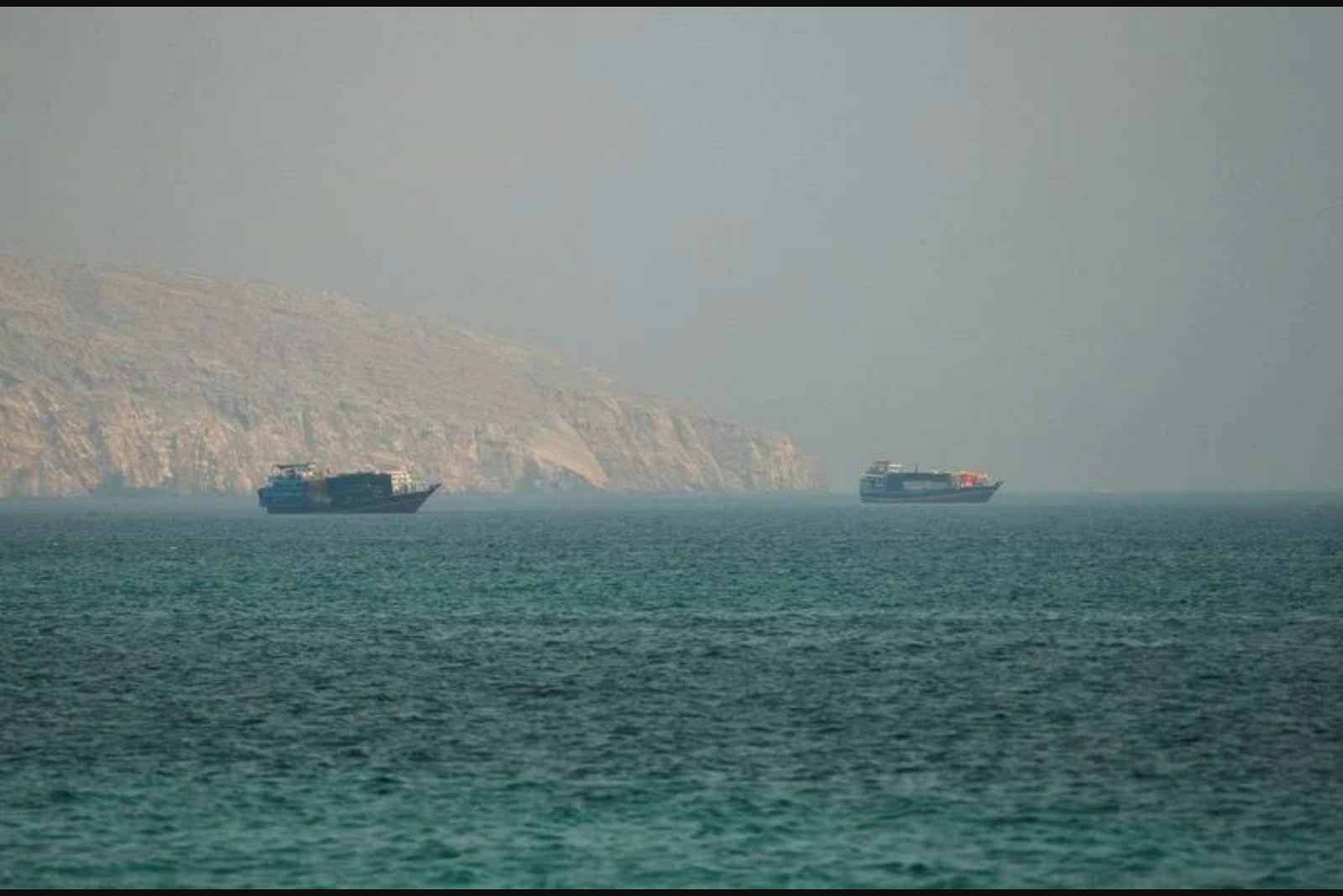
The week saw a renewed round of attacks and reprisals. Three commercial tankers flagged to Qatar and Saudi Arabia came under fire earlier in the week, prompting U.S. military strikes on Iranian targets. Iran responded with strikes on U.S. military sites located in Gulf states. By Friday no new attacks were reported as regional mediators worked to salvage diplomatic efforts to secure a permanent end to the conflict.
Qatari negotiators were meeting with Iranian officials to try to de-escalate tensions and to discuss arrangements for passage through the Strait of Hormuz, a strategic maritime corridor. Iranian Foreign Minister Abbas Araqchi was due to visit Oman to discuss how to ensure the safe movement of ships through the waterway, the semi-official ISNA news agency said.
The United States has raised its demands publicly and privately, insisting that Iran declare it will cease attacks on vessels in the Strait of Hormuz and that all lanes be open without tolls. Before the war the strait carried roughly one-fifth of global oil flows. During the conflict Tehran has asserted significant control of the waterway, creating a standoff with the world's most powerful military.
The recent strikes by U.S. forces left at least 17 people dead in six Iranian cities and wounded 115, the head of the public relations and information center at Iran's Health Ministry said. Tehran warned that any breach of commitments by Washington would be met with "reciprocal action," according to the foreign ministry spokesperson cited by state media.
Last month's interim deal had been presented as a pathway toward ending a war now in its fifth month, a conflict that the article reports has killed thousands, disrupted global energy supplies and raised concerns about a worldwide economic slowdown. The renewed fighting in the Gulf has already increased costs for U.S. consumers. After weeks of steady declines, crude oil prices recorded their largest weekly gain in eight weeks, reflecting the market's sensitivity to supply risks tied to the conflict and to the security of shipping through the Strait of Hormuz.
Context and immediate developments
- President Trump said talks will continue but declared the previously agreed ceasefire over.
- Qatari mediators were reported to be meeting Iranian officials to try to lower tensions and address navigation safety in the Strait of Hormuz.
- Earlier in the week three commercial tankers were struck, prompting U.S. military action and Iranian retaliatory strikes on U.S. bases in Gulf states.
This set of events has left markets and policymakers watching whether diplomatic channels can be revived into a durable cessation of hostilities or whether the rebound in violence will expand the conflict's economic and security consequences.