
Commodities August 28, 2026 10:06 AM

Top Ukrainian Adviser Sees Technical Talks on Russia Conflict Coming Soon, but No Quick Breakthrough

Kyrylo Budanov says preparation-focused negotiations are likely in the near term, while frontline assaults on infrastructure intensify ahead of winter

By Derek Hwang
Share
Twitter Reddit Facebook LinkedIn

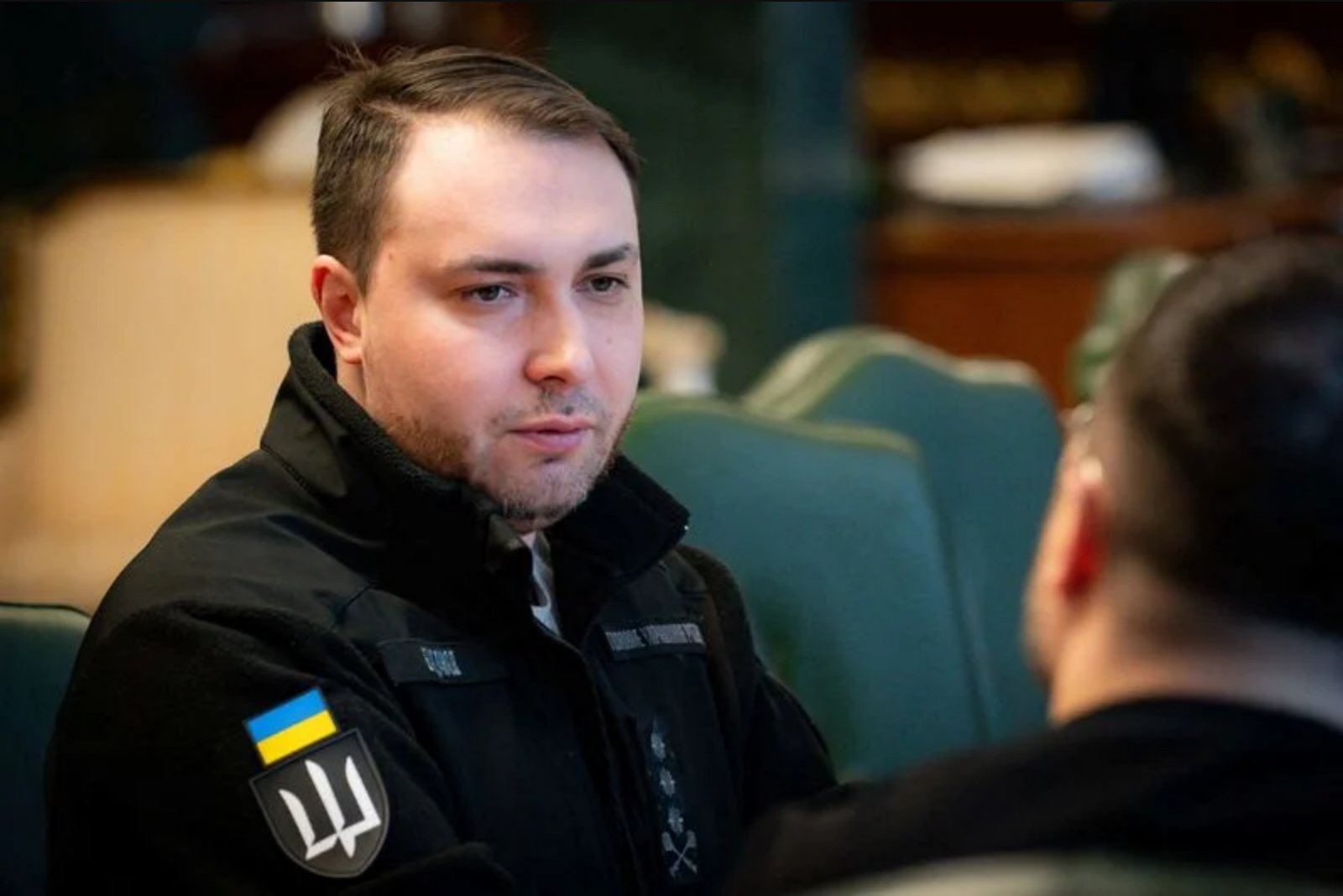
Ukraine's chief presidential adviser Kyrylo Budanov said technical negotiations over the war with Russia are likely to begin soon, but he warned that a rapid settlement is unlikely. He described upcoming talks as focused on preparatory, technical matters and reiterated that Kyiv will not surrender territory. Attacks on logistics, ports and energy infrastructure have increased recently, and Russia is expected to target Ukraine's power grid as winter approaches.

Top Ukrainian Adviser Sees Technical Talks on Russia Conflict Coming Soon, but No Quick Breakthrough
Summarize with
ChatGPT Perplexity Claude Grok Gemini

Key Points

  • Kyrylo Budanov said technical negotiations on the war with Russia are likely to occur soon but do not signal an imminent settlement.
  • Recent months have seen increased attacks on logistics, port infrastructure and energy facilities; Russia is expected to target Ukraine's power grid as winter nears.
  • Russia's main negotiating demand is Ukrainian withdrawal from the eastern Donbas area, while Kyiv says it will not relinquish territory it controls.

KYIV, Aug 28 - Ukraine's senior presidential adviser said on Friday that talks related to Russia's invasion will probably take place in the near future but emphasized that these will be largely technical and preparatory rather than a route to an immediate settlement.

In an interview for the YouTube project "Moseichuk+", Kyrylo Budanov said:

"I think everyone will see the negotiations happening very soon. But this will mainly concern the technical side of things and preparations for something big, which I hope we will eventually get to."

Budanov, who serves as Ukraine's representative in the negotiations, said he did not expect a fast agreement to end the conflict. He described it as "unrealistic" to expect the war to end now when asked whether the fighting could continue through the winter.

The adviser noted that U.S.-backed peace efforts have so far produced no tangible resolution to a war that is now in its fifth year. The most recent round of trilateral negotiations occurred in February.

Both sides have intensified strikes in recent months on logistics networks, port infrastructure and energy facilities, Budanov said. With winter approaching, he added that Russia was expected to renew an aggressive campaign targeting Ukraine's power grid.

On the question of how meaningful negotiations could proceed, Budanov said Ukraine and Russia must reach a point where each side is prepared to move toward the other simultaneously. Kyiv, he said, is open to such a reciprocal step.

He also offered a direct assessment of Russia's stance in the talks:

"And as of now, the Russian Federation - and I'm telling you this as someone who is deeply involved in this process - is saying outright, 'we might want to but no'."

The adviser outlined Russia's principal demand as a Ukrainian withdrawal from the eastern Donbas region, territory Moscow has not fully captured since the start of the full-scale invasion more than four years ago. Kyiv has consistently stated it will not cede land that remains under its control.


Context and implications

Budanov framed the near-term diplomatic trajectory as procedural - focused on technical preparations rather than immediate political concessions. He highlighted both the persistence of hostilities and the practical concerns posed by intensified attacks on vital infrastructure, particularly as colder weather approaches.

Risks

  • Continued attacks on energy infrastructure risk widespread power outages and heightened humanitarian strain - impacting the energy sector and public services.
  • Escalation or persistence of strikes on logistics and port facilities could disrupt supply chains and trade flows - affecting shipping, logistics and commodities markets.
  • Stalled or purely technical talks without reciprocal political steps risk prolonging the conflict through the winter - creating uncertainty for regional stability and investor sentiment.

More from Commodities

European Gas Pauses After Surge but Poised for Third Weekly Rise Aug 28, 2026 Name Fight Over Cheeses Snarls U.S.-Mexico Trade Negotiations Aug 28, 2026 Radiant World Under Scrutiny: What the Commodity Trader Is and Why It Faces Rapid Counterparty Pullback Aug 28, 2026 Nearly Half of Global Oil Originates in Conflict Zones Six Months After Iran Attacks Aug 28, 2026 Oil Slides, Ending Two-Week Rally as Geopolitical Tensions Persist Aug 27, 2026