
Overview
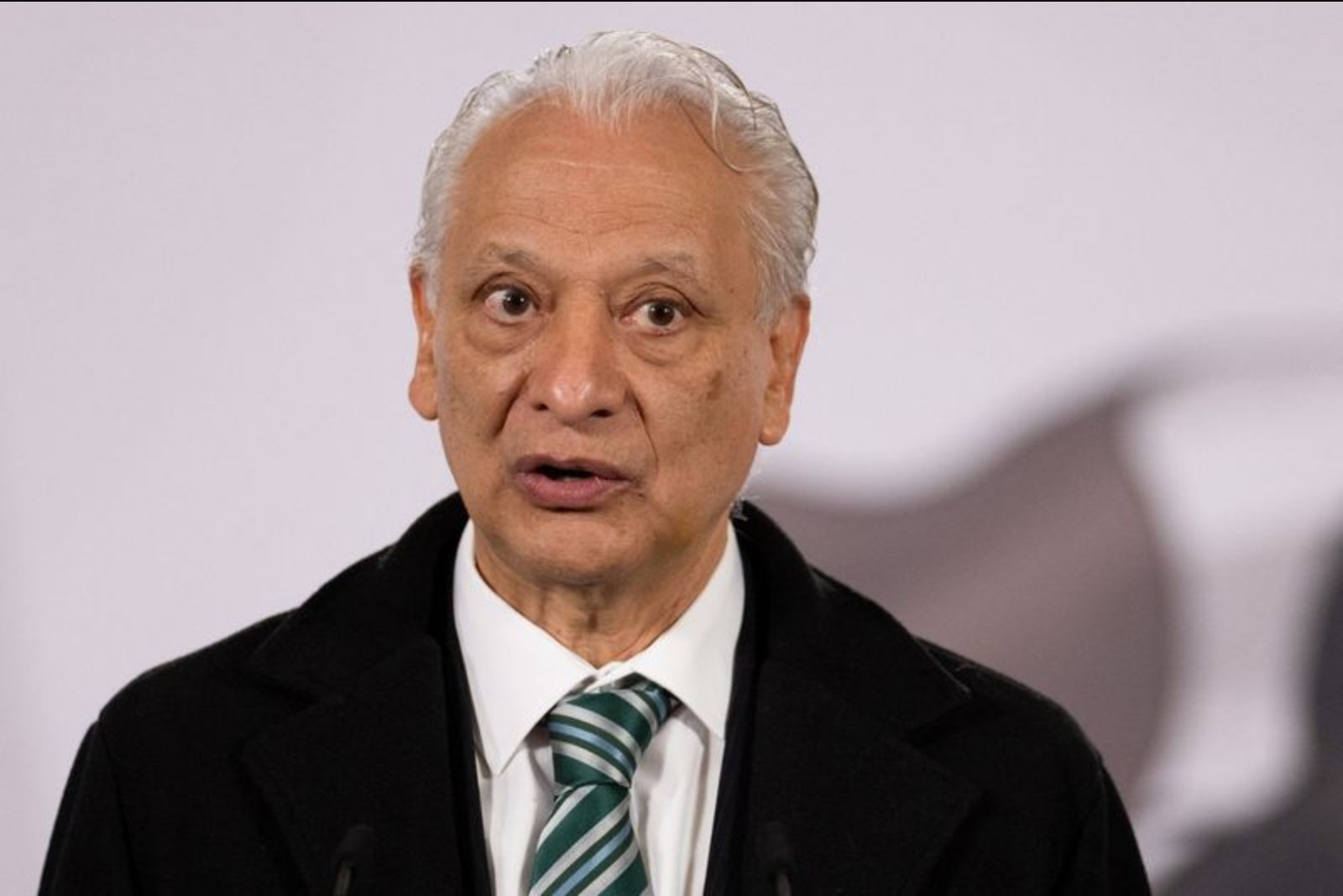
Victor Rodríguez’s future at Pemex has become uncertain as the state oil company he leads continues to grapple with a series of operational, financial and managerial setbacks, according to four people familiar with the matter. Rodríguez, 69, who entered the role from an academic background, has led Pemex through 18 challenging months marked by internal divisions, a significant oil spill and a fatal refinery accident. Production remains at 1.6 million barrels per day (bpd), below the 1.8 million bpd target, and the company was unable to capture the full benefit of the spike in oil prices tied to the Iran war.
Political involvement and internal fragmentation
Sources say President Claudia Sheinbaum has moved from a hands-off posture to direct involvement in Pemex operations, taking part in decisions and appointments that historically would be left to the chief executive. That intervention has produced competing centers of loyalty within the company and, according to the sources, made Rodríguez’s job of steadying Pemex more difficult. Two sources said Rodríguez submitted his resignation twice last year, and on both occasions Sheinbaum persuaded him to remain in post.
One of the people familiar with Pemex’s internal dynamics summarized the situation bluntly: "Claudia knows that by keeping Víctor she controls Pemex." The same person added that Sheinbaum fears control could slip away but that the company already exhibits divergent internal forces pulling in different directions.
Requests for comment to both Pemex and the presidency did not receive responses.
Key appointments made outside the CEO’s control
According to the sources, several senior appointments and decisions have increasingly been made without Rodríguez’s direct input. These include leadership roles in exploration and production, the trading arm and the legal department. The company’s legal director, Rosa Bello, departed and was temporarily replaced by Diana Martínez, who is linked to Secretary of Energy Luz Elena Gonzalez. Logistics director Israel Benítez was reportedly appointed by Secretary of Security Omar García Harfuch and President Sheinbaum, while the director of administration, Marcela Villegas, is also said to have been placed by the president.
It is common for the president and senior ministers to have influence over top Pemex appointments, but the sources described the current level of intervention as unusually extensive. Some senior executives are, the sources say, effectively reporting to the finance or energy ministries rather than to the company’s CEO, complicating lines of authority inside Pemex.
"The CEO of Pemex has been unable to improve or correct the course because he is caught between many political forces," said Miriam Grunstein, a consultant and analyst in the Mexican energy sector. "He is a CEO whom I would call defenseless."
Financial strain and operational shortfalls
Pemex carries a heavy financial load, with $79 billion in debt and $20.8 billion owed to suppliers and contractors. The company posted a loss of $2.6 billion in the first quarter despite oil prices trading at more than $100 a barrel. Production levels stand at 1.6 million bpd, missing the 1.8 million bpd target, and thus limiting the firm’s ability to fully benefit from elevated crude prices tied to geopolitical events.
Speculation around Rodríguez’s tenure and potential successors has recurred in both government and industry circles. One name that has been discussed is Lázaro Cárdenas Batel, Sheinbaum’s chief of staff and the grandson of the historic Mexican president who nationalized the country’s oil industry in 1938. Sources have previously said Cárdenas Batel declined the job when it was offered at the start of Sheinbaum’s term.
Efforts to attract private capital and the limits encountered
Sheinbaum and Rodríguez have made moves to bring in more private partnerships and external investment, but those efforts have met with limited interest, according to three sources. The factors cited by the sources include Pemex’s heavy debt load and terms seen as unattractive that were being pushed by some in government. One source recalled Rodríguez warning that the economic and tax conditions Pemex was offering would not appeal to private investors.
Pemex had announced plans to sign 11 private contracts but has so far awarded nine, a shortfall attributed to lower-than-expected interest, mostly from smaller companies. Sources said demand was weak because of the relatively smaller size of the oilfields on offer and persistent doubts about Pemex’s ability to pay suppliers in a timely fashion.
Refinery incidents and ongoing operational risks
Operational problems at the Olmeca refinery have remained a further source of concern. The refinery, a high-profile project associated with former President Andrés Manuel López Obrador, began operations in the second half of 2024 after delays and costs that swelled to $21 billion - more than double its original budget, according to the sources. A fire near the Olmeca complex in March killed five people, and a subsequent fire at a coke storage facility occurred on April 9.
Those incidents have added to public scrutiny. Three of the sources said the president is now personally reviewing Pemex media coverage almost daily and is "upset and even frustrated with everything that is happening," one source said.
What this means for the company and markets
The convergence of heavy indebtedness, missed production targets, limited private engagement and visible safety incidents has intensified scrutiny of Pemex’s leadership and governance. Internal divisions and overlapping chains of authority, as described by multiple sources, have complicated the chief executive’s ability to chart a clear operational path. While efforts to attract outside capital continue, the combination of financial liabilities and contractual terms has so far constrained meaningful new investment.
For now, Rodríguez remains in his role. But sources depict a company in which political oversight and operational control no longer align neatly under a single executive, and where resolving Pemex’s structural challenges will require coordinated decisions across government and company leadership.