
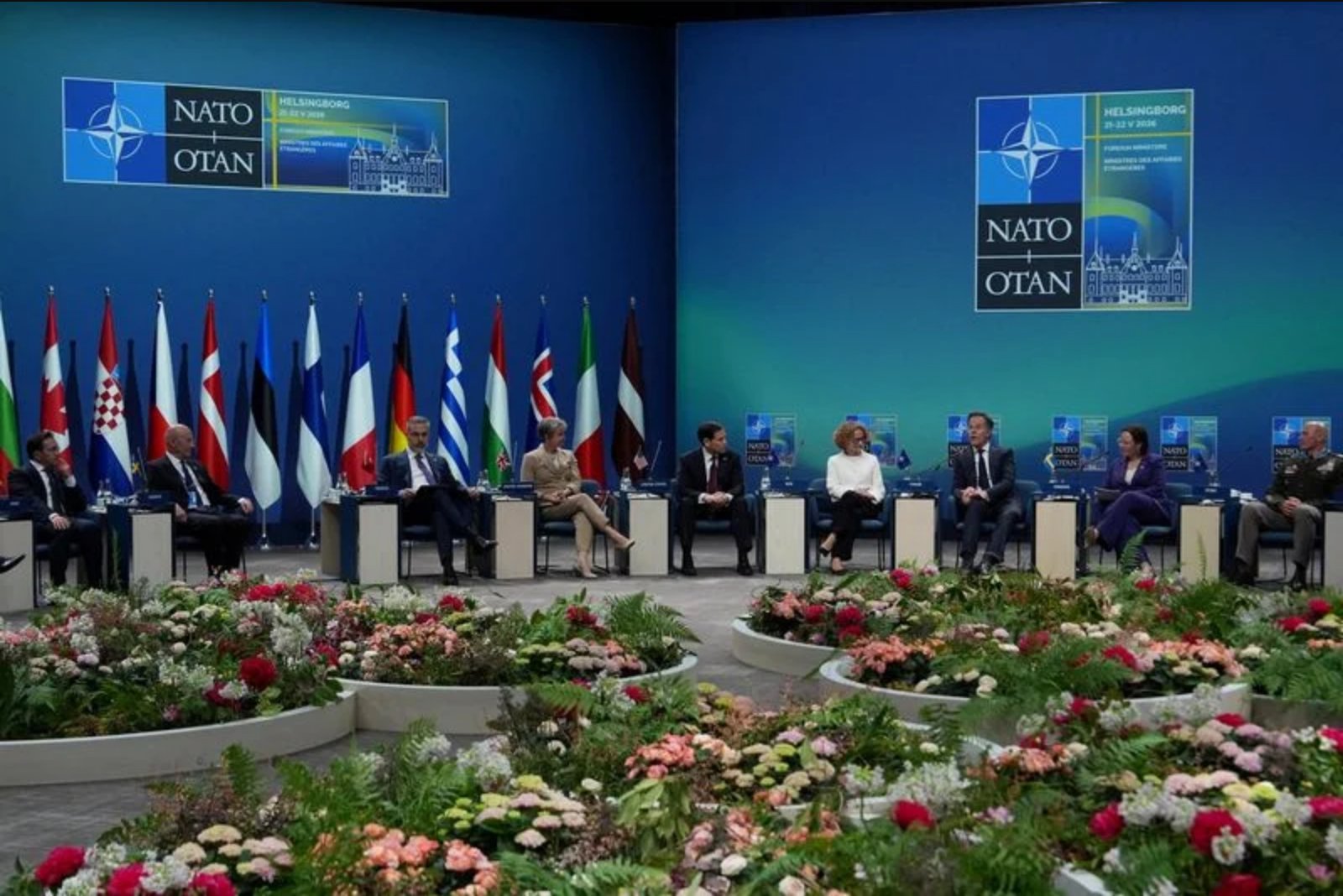
A recent survey covering 15 European countries reports that just 11% of respondents view the United States as an ally, marking a historic low for transatlantic sentiment. That figure is down from 16% recorded six months earlier and 22% in November 2024. The results were released ahead of scheduled G7 and NATO summits and point to waning confidence in Washington as a reliable security partner.
Majorities in every country polled expressed doubt that the U.S. would come to their defence in the event of an attack. The decline in perceived reliability comes alongside a modest shift in public attitudes toward defence spending: Europeans are four percentage points more likely than last year to back increased national defence budgets.
Italy stands out as the only country where a clear majority remains opposed to raising defence spending. At the same time, 47% of respondents across the region support the idea of collective EU borrowing to finance defence initiatives. Support for that measure is strongest in Portugal at 59%, followed by Denmark at 56% and the Netherlands at 55%.
The poll also asked about procurement preferences. A majority of respondents in most countries favoured reducing reliance on U.S. military hardware in favour of European alternatives. Denmark, the Netherlands and Sweden recorded the highest support for what respondents described as "buying European." Poland was the sole outlier, with a majority favouring increased purchases of U.S. weapons. Germany, Italy and Hungary displayed significant division on the procurement question.
Resistance to reallocating domestic public spending to increase defence budgets remains notable in several countries. Italy reported the highest resistance at 63% opposed to cuts in domestic public spending, followed by Austria at 59% and Germany at 56%.
Energy policy responses were mixed. Despite rising costs, 44% of Europeans opposed resuming oil and gas imports from Russia. On matters related to Ukraine, most respondents continued to support the country as an ally or strategic partner. However, that consensus weakened when questions shifted to more specific commitments, such as deploying peacekeeping troops to Ukraine after a conflict or expanding EU membership eastward.
The poll also touched on expectations for U.S.-European relations following the U.S. presidential transition. Majorities in every country polled, except Bulgaria, believed relations would improve when U.S. President Donald Trump left office.
The survey was carried out in May 2026 using a mix of methods by pollsters including Mandate Research and YouGov. It sampled the views of adults aged 18 and over in Austria, Bulgaria, Denmark, Estonia, France, Germany, Hungary, Italy, the Netherlands, Poland, Portugal, Spain, Sweden, Switzerland and the United Kingdom.