
ANKARA - The pro-Kurdish DEM Party issued a sharp rebuke of President Tayyip Erdogan's government on Tuesday, accusing officials of moving cautiously at a moment DEM says demands decisive action to consolidate a fragile peace process with the Kurdistan Workers' Party (PKK).
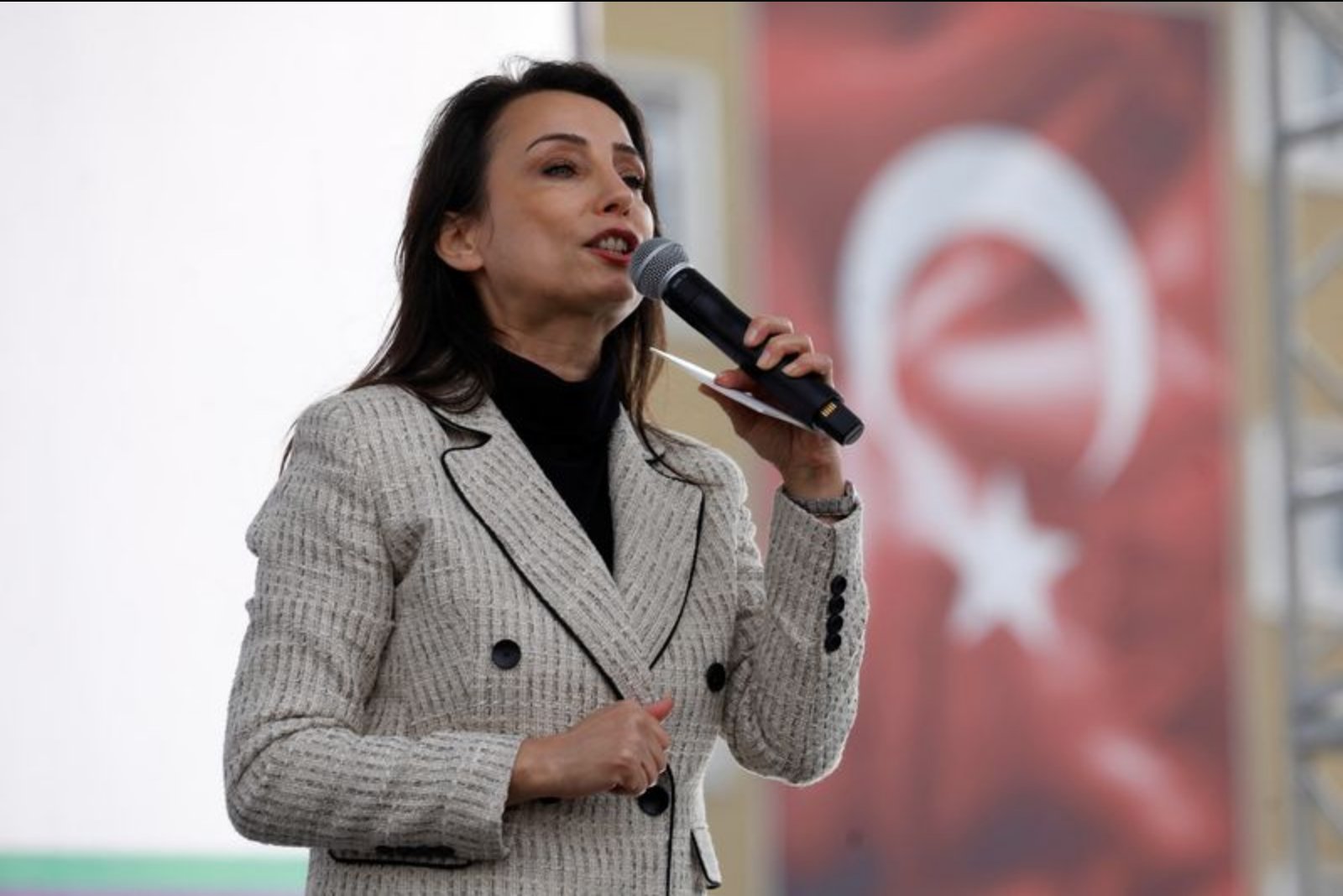
Speaking to her party’s MPs, DEM co-chair Tulay Hatimogullari said the government was not keeping pace with recent developments that raised hopes for ending a decades-long conflict. She said the executive was "failing to match the momentum" generated by a February 2025 call from jailed PKK leader Abdullah Ocalan for militants to lay down arms.
"While such a bright outlook lies ahead of us, and we should be moving at full speed toward the goal of peace, the government is acting in a hesitant, timid and stalling manner," Hatimogullari told MPs.
DEM, which is parliament’s third largest party, played a role in facilitating the steps that brought the state and the PKK closer to talks to end the conflict that began in 1984 and has cost more than 40,000 lives. But more than a year after a breakthrough appeared possible, all parties involved - DEM, the PKK and the government - have traded blame over perceived delays in implementing follow-through measures.
The PKK - designated a terrorist organisation by Turkey, the United States and the European Union - stopped attacks and announced in May 2025 that it had decided to disband and end its armed struggle. Ankara has signalled, however, that it requires further action and insists that disarmament be verified before it will consider broader legal or political steps related to the group's status.
In a procedural move earlier this year, a Turkish parliamentary commission voted overwhelmingly in February to approve a report that lays out a roadmap for legal reforms to accompany the PKK’s disbandment, effectively transferring key elements of the process into the legislative arena.
Hatimogullari cautioned that delays in carrying out agreed or proposed measures could undermine the wider effort to secure peace. The insurgency has long been a source of instability in Turkey’s mainly Kurdish southeast and has at times spilled over into neighbouring Iraq and Syria, a factor that adds urgency to the process for many observers.
Outlook: The public criticism from DEM underscores a widening gap between political actors and armed actors over sequencing and verification of disarmament. The pace and sequencing of verification, legal reforms and political measures will be decisive in whether momentum is sustained or the process stalls.