
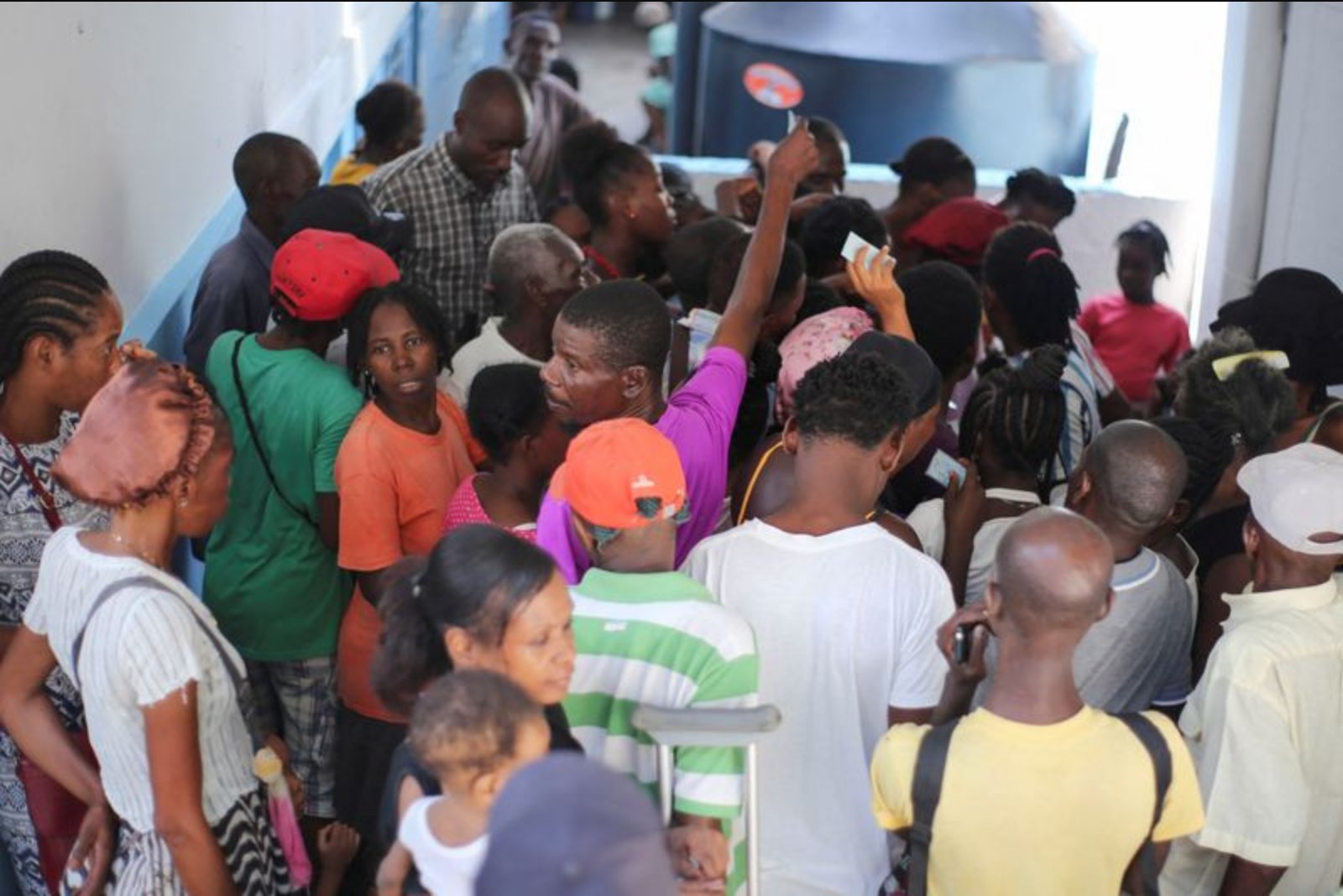
PORT-AU-PRINCE, April 16 - Nearly 6 million people in Haiti are expected to face acute food insecurity in the months ahead, highlighting a deepening humanitarian emergency driven by violence, displacement and economic stress, according to a new assessment published on Thursday.
The Integrated Food Security Phase Classification (IPC) projects that about 5.8 million Haitians - more than half of the country's population - will confront acute food insecurity, with over 1.8 million of those people assessed to be in the emergency phase and in immediate need of food assistance.
The report points to several converging drivers of the crisis: worsening insecurity that has seen armed groups extend their control in parts of the country; mass displacement, with more than 1.4 million people uprooted from their homes; economic shocks; and repeated disruptions to markets and agricultural production. These factors have strained food supplies and pushed already vulnerable households deeper into hunger.
While the latest IPC projection is marginally below an earlier estimate of 5.91 million people facing acute food insecurity, and the count of those in the emergency category has edged down slightly, agencies stress these improvements are fragile and uneven. Humanitarian organizations attribute part of the modest gains to sustained food assistance, easing inflation in some areas and improved harvest conditions locally.
"Fighting hunger is essential to restoring stability in Haiti. We cannot build peace if families cannot feed their children," WFP Haiti Country Director Wanja Kaaria said in a statement.
The World Food Programme has reported that ongoing food aid helped roughly 200,000 Haitians move out of emergency-level hunger since last year. Nevertheless, aid agencies warn that without continued support, recent gains could be reversed.
Humanitarian actors also highlighted external pressures that could worsen the situation, citing a spike in global fuel prices caused by the Iran war. Those higher fuel costs have further strained transportation and agricultural production costs, adding another layer of risk to already fragile supply chains and market functioning.
The assessment paints a picture of a crisis sustained by a combination of insecurity, displacement and economic disruption. It underscores that while targeted assistance and localized improvements have provided relief for some, the overall food security outlook for Haiti remains severe and subject to rapid deterioration if conditions change or support is withdrawn.