
WASHINGTON, April 16 - U.S. immigration authorities said on Thursday they are seeking to remove from the country an Iranian academic and regular media commentator, alleging he provided false information on his visa application. The case has drawn criticism from a Muslim advocacy group which framed the detention as part of a wider clampdown on Iranian voices during the war involving Iran.
The individual at the center of the dispute, Yousof Azizi, has been a visible commentator on Iran-related affairs, appearing on outlets including Sky News and BBC Persian and contributing to commentary associated with the Middle East Institute think tank. His LinkedIn profile identifies him as a PhD candidate at the Virginia Tech School of Public and International Affairs.
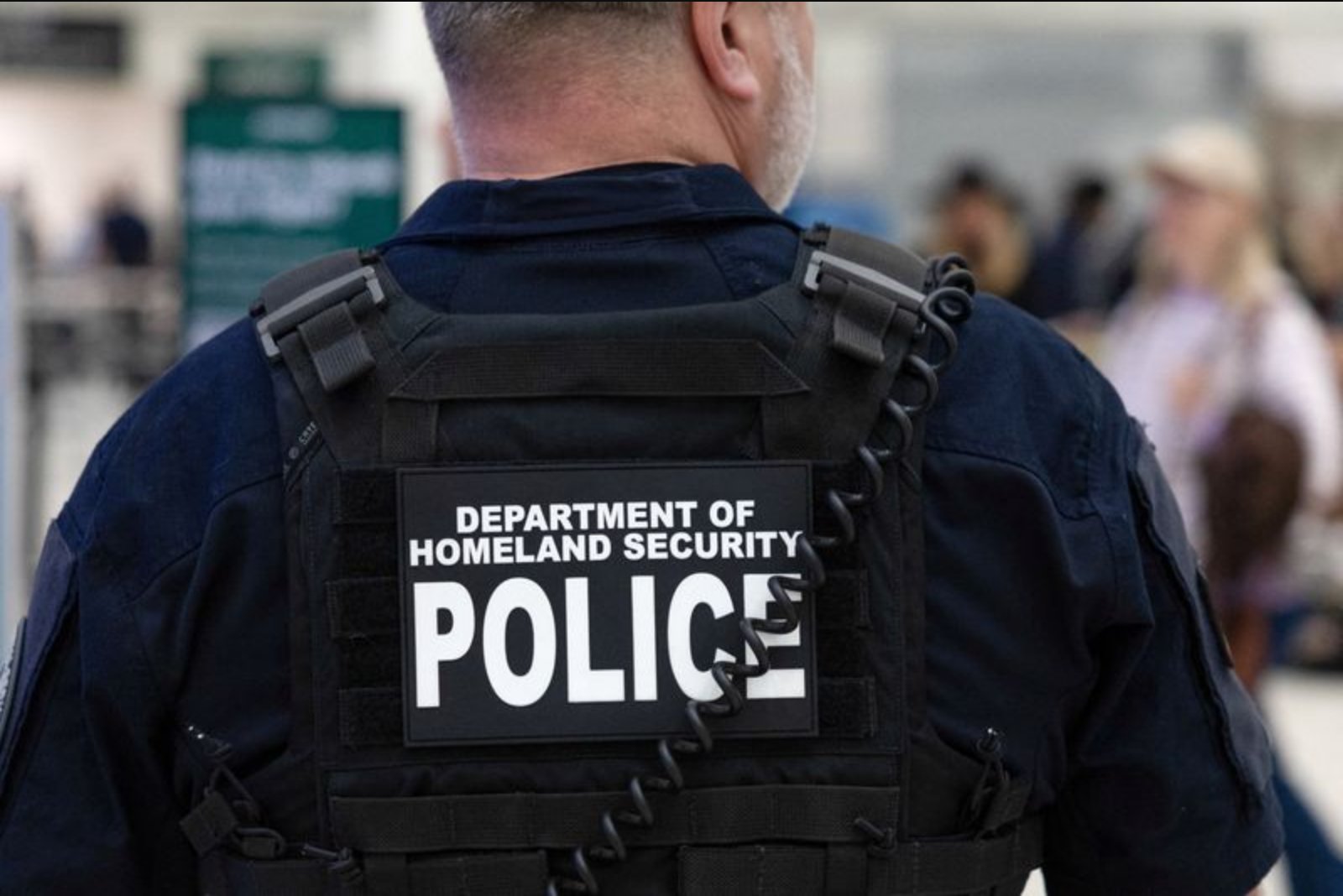
The Department of Homeland Security said Azizi was arrested earlier this week on allegations that he lied in the process of obtaining his visa. In a statement, a DHS spokesperson asserted: "Azizi LIED on his visa application and denied ever being a member of the Student Basij Organization in Iran, which supports the IRGC, from approximately 2006–2010." The agency characterized the Student Basij as a pro-government student group that forms part of a voluntary paramilitary structure affiliated with Iran's Islamic Revolutionary Guard Corps.
The DHS release did not provide detailed evidence to substantiate the claim of membership in the Student Basij. The statement noted that Washington has designated the Islamic Revolutionary Guard Corps, often abbreviated as the IRGC, as a foreign terrorist organization.
Rights groups have criticized immigration enforcement actions taken under the current administration, arguing such measures raise concerns about due process and the protection of free expression. The DHS said Azizi originally entered the United States on a student visa in 2013. It added that his student visa status was later terminated "for failure to re-enroll in the Fall 2025 semester," and that he will remain in the custody of Immigration and Customs Enforcement while receiving due process under immigration proceedings.
Attempts to reach a representative for Azizi were not immediately successful.
The Council on American-Islamic Relations, which advocates on behalf of Muslim communities in the United States, called on ICE to release Azizi from custody. In a statement, CAIR said: "The Trump administration is once again using ICE as a secret police." The organization argued Azizi's rights were violated by his detention, adding that it occurred "allegedly because of his criticism" of U.S. and Israeli actions in the conflict with Iran.
CAIR also pointed to previous instances in which the administration sought to deport individuals for public statements critical of U.S. policy, specifically naming cases involving people who had expressed pro-Palestinian views or criticized U.S. support for Israel during its operations in Gaza and during a conflict in Lebanon.
This development sits at the intersection of immigration enforcement, national security policy, and the media ecosystem. It raises questions for commentators, academics, and advocacy organizations about the legal boundaries for noncitizen speech and the mechanisms used by immigration authorities to review visa applications and status.